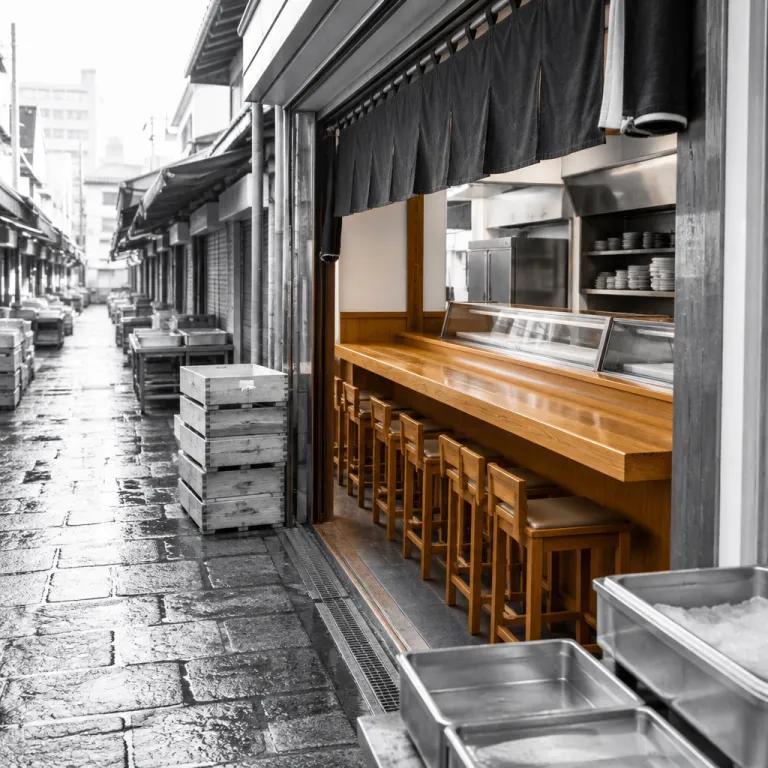
Why Tsukiji Daiwa Sushi matters when choosing a hotel in Tokyo
For many travellers, the first serious meal in Tokyo is sushi, and the name Tsukiji Daiwa Sushi still carries remarkable weight among hotel guests planning their stay. The original Daiwa Sushi and Sushi Dai counters at the old Tsukiji inner market created a template for what visitors now expect from a serious fish market breakfast, and that legacy still shapes how people choose hotels near Tsukiji and Toyosu. If you care about where to eat outstanding tuna before most restaurants even open their doors, your hotel location in market-focused Tokyo becomes a strategic decision rather than a simple convenience.
The story begins with the former inner Tsukiji market, where a tight queue formed every early morning outside tiny sushi restaurants such as Daiwa Sushi and Sushi Dai. Travellers learned that the best way to handle the long waiting time was to stay in a nearby Tokyo hotel, walk to the fish market before the tuna auction, and be seated at the counter as the shutters lifted. That pattern still exists today around Toyosu Market, where the wholesale floor block moved, but the appetite for a pre-dawn omakase set of nigiri, maki, and miso soup remains just as strong among visitors to Japan.
When you read any detailed review of Tsukiji Daiwa Sushi experiences, you will notice how often hotel choice is mentioned alongside comments about the food. Guests compare which districts offer better access to the fish market and which hotels make it easy to reach both Tsukiji Market and Toyosu Market in a single morning. One guest described their stay as “a 10-minute walk, 90 minutes in line, and the best otoro of my life before 8 a.m.” If you are serious about sushi, Daiwa-style counters, and the wider network of sushi restaurants around market Tokyo, then planning your base with these early morning rituals in mind will give you more time at the counter and less time in transit.
From Tsukiji to Toyosu: how the market move reshaped sushi-focused hotel stays
The relocation of the inner Tsukiji fish market to Toyosu Market changed more than just where tuna is auctioned; it reshaped hotel demand across eastern Tokyo. Travellers who once booked near Ginza or Shiodome for quick access to Tsukiji Daiwa Sushi now weigh whether a stay closer to Toyosu, Shimbashi, or even Odaiba offers better access to both markets. The result is a new geography of food-led stays, where the distance between your lobby and the nearest fish market entrance can define how you experience sushi in Japan.
At Toyosu Market, the tuna auction now takes place on a modern, temperature-controlled floor block, visible through glass galleries that open to visitors during specific time slots. This new layout means you can watch the tuna auction from above, then walk to on-site sushi restaurants that serve fish sourced directly from the same market Tokyo wholesalers. Many travellers still feel nostalgic for the old Tsukiji fish stalls, so they split their time between Toyosu Market in the early morning and the outer Tsukiji Market later, where small restaurants and food stands continue to serve grilled seafood, sea urchin bowls, and quick sushi sets.
Because of this split, hotels that sit between Toyosu and Tsukiji have become especially attractive to guests who want to eat at both Daiwa Sushi style counters and newer Toyosu restaurants without long transfers. When you read a review of a central Tokyo hotel that highlights easy access to the fish market, pay attention to whether they mention walking routes to both the Toyosu Market complex and the remaining Tsukiji market streets. For travellers who plan to queue for Sushi Daiwa style omakase set menus more than once, this central positioning can be the single best amenity a property offers, even more than room size or view.
Managing queues, waiting time, and early mornings from your hotel
Anyone who has lined up for Tsukiji Daiwa Sushi knows that the queue is part of the ritual, and your hotel strategy can dramatically soften that experience. When you stay within 1 to 2 km of either Tsukiji Market or Toyosu Market, you can leave your room shortly before the restaurant opens, join the line while still half asleep, and be back at your hotel in time for a short rest before sightseeing. That rhythm is far harder to maintain if you are crossing Tokyo by train in the dark, especially after a late night.
Most travellers aiming for a counter similar to Daiwa Sushi or Sushi Dai will target an early morning arrival, often before the official opening time listed on the restaurant door. Hotels that offer 24-hour front desks, flexible check-in, and luggage storage make it easier to handle this schedule, because you can land in Japan, drop your bags, and head straight to the fish market without worrying about room readiness. One frequent visitor put it simply: “We landed at Haneda at 5 a.m., left our suitcases at the hotel, and were eating sushi at Toyosu before jet lag really hit.” When you read a review of a hotel near market Tokyo, look for comments about staff familiarity with Toyosu Market timetables, taxi fares at that time of day, and whether they can provide printed maps to the correct floor block entrances.
Dietary needs also matter when planning these early starts, especially for Muslim travellers or guests seeking halal friendly food options near sushi restaurants. Properties that understand the local dining landscape can point you toward nearby venues with clear seafood sourcing, or to alternative halal restaurants for later meals, which is explored in depth in this guide to Tokyo halal restaurants and how dining options shape hotel choice. Even if you plan to eat only fish and miso soup at a Sushi Daiwa style counter, it is reassuring to know your hotel can advise on ingredients, language support, and back up dining plans if the queue becomes unmanageable.
Choosing the right district: Tsukiji, Ginza, Shiodome, and Toyosu
Location is everything when your Tokyo stay revolves around Tsukiji Daiwa Sushi and other market driven food experiences. Tsukiji itself offers small business hotels and serviced apartments that place you within a short walk of the remaining Tsukiji market streets, where you can still eat grilled Tsukiji fish, tamagoyaki skewers, and quick bowls of sea urchin over rice. Ginza and Shiodome, slightly further inland, provide more upscale properties while keeping you close enough to reach both the old fish market area and Toyosu Market by taxi or subway in a short time.
Travellers who prioritise Toyosu Market and the modern tuna auction galleries sometimes choose hotels in Toyosu, Ariake, or Odaiba, trading classic city streets for waterfront views and newer developments. From these districts, you can reach the Toyosu Market complex quickly for an early morning omakase set, then continue into central Tokyo later in the day for shopping, museums, or additional sushi restaurants. When comparing districts, consider not only the distance to the fish market but also how easy it is to reach other parts of Japan by rail, especially if you plan side trips that start from Tokyo Station or Shinagawa.
For travellers planning a longer itinerary, it can be efficient to structure your stay around food focused neighbourhoods, as outlined in this detailed guide on planning a three week Japan itinerary around smart Tokyo hotel stays. You might begin with two nights near Tsukiji Market to focus on Tsukiji Daiwa Sushi style breakfasts, then move to Shinjuku or Shibuya for nightlife and broader restaurant choices. This multi district approach allows you to experience both the traditional fish market atmosphere and the wider spectrum of sushi restaurants across Tokyo without compromising on sleep or spending excessive time in transit.
How top sushi restaurants influence premium hotel choices
High end travellers often choose their Tokyo hotel based on proximity to specific sushi restaurants, and the legacy of Tsukiji Daiwa Sushi still informs those decisions. Guests who plan to eat at counters such as Sukiyabashi Jiro, Sushi Saito, or Harutaka often also want at least one market style breakfast at a place inspired by Daiwa Sushi or Sushi Dai. This creates a triangle of priorities between Ginza, the former Tsukiji fish market area, and Toyosu Market, with hotels in each zone competing to offer the best access and concierge support.
Properties with strong concierge teams can secure reservations at sought after sushi restaurants, advise on the best time to queue at more casual counters, and arrange taxis that know exactly which Toyosu Market entrance to use. When you read a review of a luxury hotel in market Tokyo, pay attention to whether guests mention successful bookings at top restaurants and smooth early morning transfers to the tuna auction viewing decks. A hotel that understands the nuances of sushi culture in Japan will also brief you on etiquette at the counter, from how to interact with the sushi chef to the pacing of an omakase set that may include tuna, sea urchin, and seasonal white fish.
If your priority is to experience several of the best sushi restaurants in a single stay, a central Ginza or Shiodome property often offers better overall access than a hotel directly beside either Tsukiji Market or Toyosu Market. From there, you can reach the fish market for breakfast, return to rest, then head out again for dinner at a different restaurant without long commutes. For a deeper look at how proximity to elite counters shapes accommodation decisions, this analysis of how Tokyo’s best sushi restaurants influence where you stay provides useful case studies and guest perspectives.
Practical tips: timing, queues, and what to order at market counters
Planning a visit to a counter in the spirit of Tsukiji Daiwa Sushi requires more than just showing up hungry; it demands careful timing and realistic expectations about queues. On busy days, the waiting time for a seat at a popular market Tokyo restaurant can stretch beyond two hours, especially at venues that resemble the old Daiwa Sushi and Sushi Dai counters. Staying nearby allows you to check the queue, return to your hotel room if the line is overwhelming, and try again at a slightly different time without wasting your entire morning.
Once seated, most travellers opt for an omakase set, trusting the sushi chef to select the best pieces of the day from the fish market. A typical sequence might include several cuts of tuna, from lean akami to rich otoro, along with sea urchin, seasonal white fish, and perhaps a hand roll, all accompanied by a simple miso soup. If you are new to this style of dining in Japan, remember that the focus is on freshness and texture rather than elaborate presentation, and that the chef’s relationship with Toyosu Market wholesalers often matters more than the size of the restaurant itself.
For those comparing options, counters that emphasise speed and value, similar to the original Daiwa Sushi and Sushi Dai style venues, can be better for travellers with tight schedules, while slower, more elaborate sushi restaurants may suit guests with flexible time. Ask your hotel staff which restaurants near Tsukiji Market or Toyosu Market are known for shorter queues, and whether any lesser known spots offer quality comparable to the famous names. By aligning your expectations, your hotel location, and your appetite, you can turn a simple breakfast of sushi into a defining memory of your Tokyo stay.
Planning your wider Tokyo stay around market-driven food experiences
Once you have anchored your itinerary around Tsukiji Daiwa Sushi style breakfasts, it becomes easier to plan the rest of your Tokyo stay around complementary food experiences. Many travellers pair an early morning visit to the fish market with afternoon explorations of neighbourhoods such as Asakusa, Ueno, or Nakameguro, returning to their hotel only briefly between meals. Choosing a property with quick rail access from both Tsukiji Market and Toyosu Market allows you to move between these districts efficiently while still making time to eat well.
Beyond sushi, the areas surrounding the former Tsukiji fish market and the new Toyosu Market offer excellent opportunities to sample grilled seafood skewers, tempura, and regional Japanese food from small restaurants. Hotels that understand this broader culinary landscape can recommend venues where you can eat lighter dishes in the evening after a heavy omakase set, or where you can try different preparations of tuna and other fish without repeating the same style. When reading a review of a potential hotel, look for mentions of staff who can explain the difference between market focused restaurants and more general sushi restaurants across Tokyo.
As you refine your plans, remember that the goal is not to chase every famous name, but to balance quality, convenience, and your own energy levels. A well chosen hotel near market Tokyo can reduce the stress of early morning travel, shorten your waiting time in queues, and give you more opportunities to enjoy both Tsukiji Daiwa Sushi inspired counters and other excellent restaurants. By treating your accommodation as part of the food experience rather than just a place to sleep, you will come away with a deeper appreciation of how Tokyo’s fish markets continue to shape the city’s hospitality landscape.
Key figures on Tokyo sushi tourism and market dining
- According to the Tokyo Metropolitan Government’s Toyosu Market information pages (accessed January 2024, https://www.shijou.metro.tokyo.lg.jp/toyosu/), Toyosu Market handles roughly 1,000 tonnes of marine products per day across all wholesale areas, which underpins the freshness of tuna and other fish served at nearby sushi restaurants.
- Visitor data published by the Tokyo Metropolitan Central Wholesale Market (Toyosu Market public area statistics, fiscal year 2023, https://www.shijou-tokei.metro.tokyo.lg.jp/) indicates that hundreds of thousands of people visit the Toyosu Market public zones annually, with peak crowds on weekends when waiting time for popular restaurants is longest.
- Japan National Tourism Organization (JNTO) surveys on visitor trends to Japan (latest English summary reports, 2023, https://statistics.jnto.go.jp/en/) show that food experiences, including sushi and fish market visits, rank among the top three motivations for international visitors choosing Tokyo hotels in central districts.
- Ginza and Tsukiji area hotel occupancy figures reported by the Tokyo Metropolitan Government’s tourism statistics (2022–2023, https://www.tourism.metro.tokyo.lg.jp/statistics/) consistently track at or above the city average during major holiday periods, reflecting strong demand from travellers seeking easy access to both Tsukiji Market and Toyosu Market.
- Industry reports from hospitality consultancies such as CBRE and STR on the Tokyo hotel market (2022–2023, for example CBRE “Japan Hotel MarketView” Q4 2023 and STR trend summaries) note that properties marketing proximity to fish markets and top sushi restaurants can command higher average daily rates compared with similar hotels in less food focused locations.
FAQ
Is it still worth staying near Tsukiji if the inner market moved to Toyosu ?
Yes, staying near Tsukiji remains worthwhile because the outer Tsukiji Market is still active, with many small restaurants and food stalls serving fresh seafood and sushi. From Tsukiji, you can also reach Toyosu Market quickly by subway or taxi for the tuna auction and modern fish market facilities. This combination makes the area attractive for travellers who want both historic atmosphere and access to current market operations.
How early should I leave my hotel to queue for a market sushi breakfast ?
If you are staying within 1 to 2 km of Tsukiji Market or Toyosu Market, leaving your hotel 30 to 60 minutes before the restaurant opens is usually sufficient on weekdays. On weekends or holidays, many travellers aim to arrive even earlier, especially at venues similar to the famous Daiwa Sushi and Sushi Dai counters. Your hotel staff can advise on current patterns, as waiting time varies with season and local events.
Which Tokyo districts are best for both sushi and general sightseeing ?
Ginza, Shiodome, and Tsukiji offer an excellent balance between access to fish markets, high quality sushi restaurants, and major sightseeing areas. From these districts, you can reach Toyosu Market, Asakusa, Tokyo Station, and Odaiba relatively quickly by train or taxi. They also provide a wide range of hotel categories, from business properties to luxury brands.
Can hotel concierges help with reservations at top sushi restaurants ?
Many mid range and upscale hotels in central Tokyo have concierges or front desk teams who regularly assist with sushi restaurant reservations. They can explain which venues accept bookings from overseas guests, how far in advance you need to reserve, and whether any restaurants near Tsukiji Market or Toyosu Market operate on a first come basis only. When choosing a hotel, check reviews for comments about successful assistance with dining plans.
What should I order if it is my first time at a market sushi counter ?
For a first visit, most travellers choose an omakase set, which allows the sushi chef to select the best fish of the day from the market. This usually includes several types of tuna, seasonal white fish, and sometimes sea urchin, along with miso soup and a hand roll. Ordering this way ensures you experience the strengths of the restaurant without needing to navigate a complex menu.
Sources: Tokyo Metropolitan Government (Toyosu Market information pages, accessed January 2024); Tokyo Metropolitan Central Wholesale Market (Toyosu Market visitor statistics, fiscal year 2023); Japan National Tourism Organization (visitor trends to Japan, 2023); CBRE and STR Tokyo hotel market reports, 2022–2023.