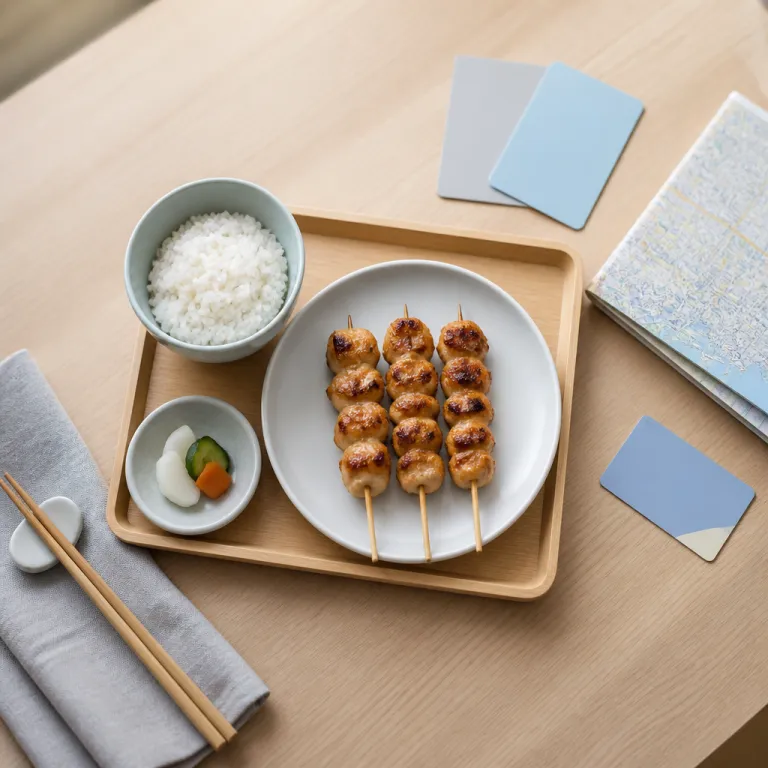
How Tokyo halal restaurants for muslims shape your hotel choice
Choosing a hotel in Tokyo as a muslim traveler often starts with one question about food and daily routine. When you understand where the most reliable halal restaurants cluster, you can select accommodation that keeps authentic Japanese food, prayer spaces, and transport comfortably within reach. This elegant alignment between hotel location and nearby halal food turns a complex city into a calm, navigable base that respects both faith and flexibility.
Tokyo now counts an estimated 300 halal certified and muslim friendly restaurants within the metropolitan area, a sharp rise that mirrors the growing number muslim visitors and residents. This expansion means you can prioritise districts where halal food, prayer space options, and friendly services are already established, instead of compromising on either comfort or faith. When you map these restaurants and muslim friendly cafés against hotel zones, patterns emerge that make planning far easier and more predictable.
For many guests, staying near Asakusa, Shibuya, Shinjuku, or Ueno offers the best balance between transport, sightseeing, and access to halal restaurants. These neighbourhoods combine dense train networks with a rich mix of Japanese food, from wagyu beef grills to chicken based halal ramen, all within walking distance of major hotels and guesthouses. One muslim family, for example, chose a small hotel near Ueno Station specifically because three halal eateries and a prayer room were within a ten minute walk, which turned a potentially stressful first trip into a relaxed introduction to Japan. By treating tokyo halal restaurants for muslims as a core travel asset rather than an afterthought, you protect both your time and your peace of mind throughout the trip.
Key districts where halal food and hotels work together
Asakusa is a natural starting point for muslim travelers who want classic temples and easy halal food in the same compact area. Naritaya, a well known halal ramen restaurant near Sensō ji, serves rich bowls without any pork or alcohol, and its location makes it ideal if your hotel sits around the Kaminarimon gate or along the Sumida River. For quick orientation, Naritaya Asakusa (2 Chome-7-13 Asakusa, Taito City) is roughly three minutes on foot from Asakusa Station Exit 1 and about 250 metres north of the main Nakamise shopping street. Several properties here now highlight muslim friendly services at reception, from directions to the nearest prayer room to printed guidance on local halal certified spots and convenience stores.
Shibuya offers a different rhythm, with neon nights and youth culture wrapped around serious Japanese food credentials. Gyumon, a halal certified yakiniku restaurant, grills halal wagyu and wagyu beef cuts just a short walk from Shibuya Station, which is a strong argument for booking a hotel on the quieter backstreets nearby. The restaurant sits in a side street about 600 metres from the Hachikō Exit, close enough to reach in under ten minutes even with children or luggage, at an address often listed as 3 Chome-14-5 Shibuya, Shibuya City. When a restaurant like this combines a clearly friendly menu, trained staff, and sometimes even a small prayer space, it turns a busy entertainment hub into a practical base for longer stays and repeat visits.
Shinjuku appeals to travelers who value late night convenience stores, extensive train lines, and a wide choice of restaurants in one vertical skyline. Here you will find several halal restaurants and muslim friendly cafés scattered between Kabukichō, Okubo, and the business district, so choosing a hotel near Shinjuku Station West or South Exits keeps you close to both food and transport. In each of these districts, tokyo halal restaurants for muslims are no longer isolated exceptions but part of a growing, visible network that supports everyday needs.
Understanding halal standards, certification, and muslim friendly labels
Not every muslim friendly restaurant in Tokyo follows the same standards, so understanding labels helps you make confident choices. A venue described as halal certified has usually been inspected by a recognised Japanese or international body, which checks ingredients, preparation methods, and the absence of pork or alcohol in the kitchen. By contrast, a restaurant that simply calls itself muslim friendly or offers a halal muslim menu may rely on owner muslim intentions and partial adjustments rather than full certification and documented audits.
When you search on Google Maps for tokyo halal restaurants for muslims, always open the photos and detailed reviews to confirm whether the restaurant is certified halal or just offers some halal food options. Many listings now show images of the halal certification plaque, the halal wagyu or halal ramen menu pages, and sometimes even the small prayer space or prayer room if one exists. This visual confirmation is especially valuable if you are staying in a hotel farther from the main clusters and need to plan a longer trip for dinner or Jummah prayers.
Hotels that actively court muslim travelers often keep printed lists of nearby halal restaurants, friendly restaurants, and convenience stores that stock halal food or clearly labelled products. Front desk teams may also know which restaurant has an owner muslim, which one offers separate cooking utensils for beef and chicken, and which one avoids cross contact with pork entirely. When you combine this local knowledge with your own checks on Google, you create a personal map of reliable halal services across Japan that you can reuse on future visits.
What to expect on the menu at leading halal restaurants
Tokyo’s halal restaurants now showcase a broad spectrum of Japanese food, moving far beyond simple curry rice or generic grilled chicken. At Gyumon in Shibuya, for example, the menu focuses on halal wagyu and wagyu beef yakiniku, with carefully sourced cuts grilled at your table while staff explain each of the dishes in clear English. This style of restaurant gives muslim travelers a chance to experience a classic Japanese restaurant ritual without compromising on halal food standards or worrying about hidden ingredients.
Ramen lovers should look to places such as Naritaya in Asakusa and Ayam Ya near Okachimachi, where halal ramen is prepared with chicken or beef broth and no trace of pork or alcohol based seasonings. These restaurants often provide a friendly menu with photos, spice level indicators, and set meals that combine ramen, side dishes, and drinks, which makes ordering simple even after a long day of sightseeing. Because many hotels around Ueno and Asakusa cater to international guests, staying nearby means you can slip out for a late bowl of ramen without navigating unfamiliar trains or timetables.
Beyond ramen and wagyu, several halal restaurants in Tokyo now serve tempura, sukiyaki, and regional Japanese dishes adapted with halal certified ingredients. You will also find cafés where the owner muslim designs desserts and light food that avoid gelatine and alcohol, creating safe spaces for relaxed afternoon breaks and casual meetings. When you review menus online before booking your hotel, pay attention to whether the restaurant highlights certified halal status, clearly marks allergens, and explains how it separates halal and non halal food in the kitchen.
Prayer spaces, hotel facilities, and daily routines for muslim guests
For many muslim travelers, the availability of a quiet prayer space matters as much as the proximity of halal restaurants. Some halal certified restaurants in Tokyo now offer a compact prayer room with a clean space, prayer mats, and a simple qibla indicator, which can be invaluable when you are out all day away from your hotel. When you research tokyo halal restaurants for muslims, look for photos or reviews that mention a prayer space or ask the restaurant directly by email or social media.
Hotels near major stations such as Shinjuku, Ueno, and Tokyo Station increasingly respond to the rising number muslim visitors by offering subtle but meaningful services. These can include providing a printed prayer timetable at check in, indicating the qibla direction in rooms, or designating a small meeting room as a temporary prayer room during peak seasons. While not every property advertises these services widely, a polite email before booking often reveals whether the team is ready to offer truly friendly services for halal muslim guests and families.
Outside formal facilities, convenience stores across Japan help you maintain a flexible routine between restaurant meals. Several chains now stock snacks and drinks with clear English labelling, and some even carry certified halal instant noodles or ready to eat dishes that avoid pork and alcohol. When your hotel sits close to both a reliable convenience store and a cluster of friendly restaurants, your daily schedule in Tokyo becomes smoother and less stressful, even on busy sightseeing days.
Practical planning tips for aligning hotels with tokyo halal restaurants for muslims
Start your planning by choosing two or three districts where both hotels and halal restaurants are dense, then compare specific properties within those zones. Asakusa works well if you want easy access to Naritaya and other halal ramen spots, while Shibuya and Shinjuku suit travelers who prefer late night food, fast trains, and a more urban atmosphere. Once you have a shortlist, use Google to check walking distances from each hotel to at least one certified halal restaurant, one muslim friendly café, and a convenience store with suitable snacks.
Next, contact your preferred hotel directly and ask targeted questions about services for muslim travelers, such as whether they can provide a quiet space for prayer or help you locate nearby halal food. Some properties may not have a dedicated prayer room but can offer a meeting room or unused event space at specific times, which still supports your daily routine. Clarify whether breakfast includes any halal certified items or whether the kitchen can prepare simple dishes without pork, alcohol, or cross contamination from shared utensils.
Finally, build a simple personal list of three to five halal restaurants near your hotel, mixing different price points and types of Japanese food. Include at least one restaurant with halal wagyu or wagyu beef, one specialising in halal ramen or noodle dishes, and one casual spot for quick chicken or beef meals between sightseeing stops. With this structure in place, tokyo halal restaurants for muslims become a seamless extension of your hotel stay rather than a daily logistical challenge or source of uncertainty.
Key figures on halal dining and muslim friendly services in Tokyo
- Tokyo hosts an estimated 300 halal certified or muslim friendly restaurants, according to HalalSpy, which reflects rapid growth in response to the rising number muslim visitors. This figure is based on HalalSpy’s 2023 market overview of the Tokyo metropolitan area and internal restaurant mapping.
- HalalSpy reports a 50 percent increase in halal dining options in Tokyo since 2020, showing how quickly restaurants and cafés are adapting their menus and services. The same report notes that many new venues are located within walking distance of major train stations.
- Local tourism boards now highlight halal food and prayer space information in multiple languages, signalling that muslim travelers are a recognised and valued segment of inbound tourism. The Tokyo Metropolitan Government’s official tourism materials, for example, include basic guidance on prayer rooms and muslim friendly facilities.
- Several major districts, including Shibuya, Shinjuku, Asakusa, and Ueno, each host multiple halal restaurants within a radius of roughly 500 to 800 metres, which strongly influences hotel location choices. On a typical map search, you will often see three to five options clustered around a single station.
FAQ about tokyo halal restaurants for muslims
Are there halal sushi or wagyu options in Tokyo ?
Yes, there are halal sushi and halal wagyu options in Tokyo, including venues such as Asakusa Sushi Ken for sushi and Gyumon in Shibuya for wagyu beef yakiniku. Both focus on Japanese food prepared with halal certified ingredients and clear separation from pork or alcohol. When planning your hotel, consider staying within a short walk or train ride of these restaurants so you can visit them more than once.
Is it easy to find halal food near major hotels in Tokyo ?
In central districts such as Asakusa, Shibuya, Shinjuku, and Ueno, it is now relatively easy to find halal food within walking distance of many hotels. The growing network of halal restaurants and muslim friendly cafés means you can usually locate chicken, beef, and ramen dishes that meet halal standards. Always confirm whether a restaurant is fully halal certified or simply offers some halal menu items alongside non halal dishes.
Do any restaurants or hotels provide prayer spaces for guests ?
Some halal certified restaurants in Tokyo provide a small prayer space or prayer room, often equipped with mats and a qibla indicator. A few hotels also offer flexible solutions, such as allowing guests to use a meeting room as a quiet space for prayer at certain times. It is advisable to email both the restaurant and the hotel in advance to confirm what services are available and whether booking is required.
How can I verify whether a restaurant is truly halal certified ?
To verify halal status, look for visible certification from recognised Japanese or international bodies displayed at the restaurant entrance or on the menu. When using Google Maps to search for tokyo halal restaurants for muslims, check recent photos and reviews for images of the certified halal plaque or clear statements from the owner muslim. If information is unclear, contact the restaurant directly and ask specific questions about ingredients, pork handling, and alcohol use in sauces or marinades.
Should I stay in a specific district to maximise halal and muslim friendly options ?
Staying in Asakusa, Shibuya, Shinjuku, or Ueno generally offers the best balance between hotel choice, halal restaurants, and transport. These areas combine dense networks of friendly restaurants, convenience stores, and potential prayer spaces with easy access to the rest of Tokyo. When you align your hotel with these clusters, daily life as a muslim traveler becomes smoother and more enjoyable, even on a short stay.
References
HalalSpy market reports on halal certified restaurants in Tokyo, including the 2023 overview of halal and muslim friendly venues and internal restaurant count estimates.
Tokyo Metropolitan Government tourism information on muslim friendly services and prayer space guidance, including multilingual brochures and online visitor resources.
Local halal restaurant guides and certification body publications in Japan, used to cross check restaurant status, approximate counts, and address details for key venues.