How Shiro‑hige’s Cream Puff Factory Can Shape Your Tokyo Hotel Choice
Why Shiro‑hige’s cream puff factory matters when choosing your Tokyo hotel
Shiro‑hige’s Cream Puff Factory is far more than a cute pastry stop in Tokyo. For many travellers planning Japan travel around food, this tiny Totoro cream puff factory and cafe shapes where they book a hotel, how they map each station, and even which neighbourhoods they prioritise. The pull of cream puffs shaped like Totoro turns a simple visit into an anchor for your entire stay.
The factory sits in a quiet residential pocket of Setagaya, about a 5 to 7 minute walk from Setagaya‑Daita Station on the Odakyu Line and roughly 10 minutes on foot from Shimo‑Kitazawa Station on the Odakyu and Keio Inokashira lines, which makes it easy to reach from many central Tokyo hotels. Because the puff factory is tucked away on a side street, guests often choose accommodation along the Keio Inokashira Line and Odakyu Line to shorten the walk and enjoy a calmer base. When a window opens in your sightseeing schedule, you can slip away for a cream puff and be back at your hotel before evening.
Fans of Studio Ghibli and Hayao Miyazaki treat Shiro‑hige cream puffs as a pilgrimage, pairing them with a visit to the Ghibli Museum and other Studio Ghibli related sites. The link between the My Neighbor Totoro character and each puff means the cafe and bakery attract both serious food travellers and animation enthusiasts. If you plan carefully, you can share a morning at the factory, an afternoon at the museum, and still return to a central station hotel without rushing.
From pastry icon to neighbourhood anchor
Because Shiro‑hige cream puffs sell out quickly, timing matters as much as taste. The bakery usually opens around 10:30 in the morning, and when the door opens you will see trays of puff pastry filled with vanilla cream, chocolate cream, and seasonal flavours lined up under the front window. Travellers who stay nearby can walk over just after the cafe opens, avoiding long queues and securing their preferred Totoro cream puff before the rush.
Hotels around Shimokitazawa Station, the Keio Inokashira Line, and the Odakyu Line benefit from this pattern, as guests value the short walk to the factory and the relaxed backstreets. Many visitors now choose a smaller property near Shimokitazawa instead of a busier Shinjuku tower, simply to be closer to this one bakery and cafe. When you weigh your options, consider how often you might want to visit for coffee, pastry, or a light food break between sightseeing, and whether a 5 to 10 minute walk feels realistic for your group.
The surrounding area has evolved into a low key food hub, with Tolo Coffee and a sister coffee bakery nearby, plus casual spots serving fresh pasta and Japanese comfort dishes. This cluster of food options means a hotel in this part of Tokyo offers more than just easy access to trains. It gives you a walkable network of cafes, bakeries, and restaurants that turn every stroll into a small tasting tour of Japan.
How Ghibli fans use Shiro‑hige’s cream puff factory to plan their stay
For Studio Ghibli enthusiasts, Shiro‑hige’s Cream Puff Factory is as essential as a ticket to the Ghibli Museum. The connection to Hayao Miyazaki’s My Neighbor Totoro character is not a marketing gimmick; it is a carefully maintained tribute that shapes the entire puff factory experience. Each cream puff is hand finished, and the puffs resemble Totoro so closely that many guests hesitate before taking the first bite.
Because Ghibli Museum tickets are timed and must be reserved in advance, travellers often build a full day around both attractions, starting with a visit to the factory in the morning. Staying near a station on the Keio Inokashira Line makes it easier to reach both the museum in Mitaka and the cafe and bakery in Setagaya without long transfers. If you are booking a hotel mainly for Japan travel focused on animation and food, this triangle of Studio Ghibli sites and pastry stops becomes your core map.
Some guests choose accommodation near Shimokitazawa Station, then use the Odakyu Line and Keio Inokashira Line to move between the puff factory, central Tokyo, and Mitaka. Others prefer a base closer to Shibuya Station, accepting a slightly longer walk from the nearest Keio Inokashira stop to reach Shiro‑hige. Either way, the cream puffs act as a delicious excuse to explore quieter residential streets that most tourists never visit.
Food led itineraries for animation lovers
If your priority is food, you can still weave in Ghibli touches without dedicating every day to studio visits. Start one morning with coffee at Tolo Coffee, then walk to Shiro‑hige’s Cream Puff Factory for a Totoro cream puff and a second round of coffee bakery treats. From there, ride the Keio Inokashira Line toward Kichijoji and continue to the Ghibli Museum for an afternoon immersed in Hayao Miyazaki’s worlds.
Travellers who care deeply about where they eat often let these stops dictate their hotel choice, favouring areas with direct train access over more famous but less convenient districts. If you are planning a longer stay focused on food and culture, a detailed three week Japan itinerary built around smart Tokyo hotel stays can help you balance pastry pilgrimages with other neighbourhoods. By treating Shiro‑hige cream puffs as a fixed point, you can then layer sushi, ramen, and sake experiences around it.
Those who return to Tokyo regularly often stay in different districts each time, but they keep one constant ritual. They reserve at least one morning to visit the puff factory, buy a box of cream puffs, and share them back at the hotel lounge or room. Over time, this habit turns a simple cafe visit into a personal tradition that anchors their sense of Tokyo.
Choosing the right Tokyo neighbourhood for pastry focused travellers
When your priority is Shiro‑hige’s Cream Puff Factory, the first decision is not which hotel brand to book, but which station you want as your daily base. Staying near Shimokitazawa Station gives you a lively mix of vintage shops, live houses, and small food spots, while still keeping the puff factory within a comfortable walk of around 10 minutes. A hotel near Shimo‑Kitazawa also offers quick access to both the Odakyu Line and Keio Inokashira Line, which is ideal if you plan to roam widely across Tokyo.
Setagaya‑Daita and the surrounding residential streets feel quieter, with low rise houses, small parks, and a slower pace that suits travellers who value calm evenings. From here, the walk to Shiro‑hige is about 5 to 7 minutes, and you can easily stop at Tolo Coffee or another coffee bakery on the way back to your room. This kind of neighbourhood base works especially well if you plan to visit the factory more than once, perhaps trying different cream puff flavours across several mornings.
Shibuya and Shinjuku remain popular for first time Japan travel, but they require a longer ride to reach the puff factory and the Ghibli Museum. If you choose a tower hotel in these hubs, look for direct connections to the Keio Inokashira or Odakyu lines to minimise transfers. For travellers who also care about sake, pairing a pastry focused base with a thoughtful guide to Tokyo hotels and the best sake in Japan can help you balance dessert stops with refined evening tastings.
Balancing access, atmosphere, and food options
Every Tokyo neighbourhood offers food, but not every area offers the same blend of pastry, cafe culture, and easy access to Shiro‑hige’s Cream Puff Factory. Around Shimokitazawa Station and Setagaya‑Daita you will find small bakeries, Italian spots serving fresh pasta, and relaxed cafes where you can linger with coffee and a book. This makes it easy to turn a simple walk to the puff factory into a half day of grazing.
If you prefer a more urban feel, consider staying near Shibuya Station while still planning a dedicated visit to the factory and cafe. The ride on the Keio Inokashira Line to Shimo‑Kitazawa is about 5 minutes, and once you step off at the right station, the change from neon to quiet streets feels refreshing. You can enjoy the energy of central Tokyo at night, then retreat to the calm of a pastry lined morning the next day.
Families with children who love My Neighbor Totoro often appreciate the slower pace of Setagaya, where narrow streets and small parks make walking between the hotel, bakery, and cafe more relaxed. Couples focused on food might prefer Shimokitazawa, where they can share late night drinks after a day of cream puffs and Ghibli themed stops. In both cases, the puff factory becomes a shared reference point that shapes how you move through the city.
Inside the experience at Shiro‑hige’s cream puff factory
Stepping into Shiro‑hige’s Cream Puff Factory feels like entering a small, lived in corner of Tokyo rather than a themed attraction. The ground floor bakery displays rows of Totoro shaped cream puffs behind a glass window, each puff filled with flavours ranging from classic custard cream to seasonal fruit creams. Staff work quietly in the background, moving trays between the factory area and the front counter as each batch of pastry sells.
Upstairs, the cafe space offers a different rhythm, with simple wooden tables, soft light, and a menu that extends beyond cream puffs to include light food and sometimes fresh pasta dishes. Many guests order coffee and a single Totoro cream puff to enjoy on the spot, then buy a box of puffs to share back at their hotel. Because seating is limited, arriving soon after the cafe opens gives you the best chance of finding a table without a long wait.
The charm lies in the details: the way the window opens slightly to let in a breeze, the handwritten signs, the quiet background music that never overwhelms conversation. Unlike larger themed venues, this puff factory feels like a neighbourhood bakery first and a Ghibli related stop second. That balance makes it appealing even to travellers who are less invested in Studio Ghibli but deeply interested in Tokyo’s evolving pastry scene.
Flavours, freshness, and practical tips
Each cream puff is filled to order or shortly before sale, which keeps the pastry shell crisp and the cream cool and smooth. Seasonal flavours might include strawberry, chestnut, or matcha, while the core vanilla and chocolate creams remain constant throughout the year. Because the puffs are delicate, they are best eaten the same day, ideally within a few hours of purchase.
If you plan to bring cream puffs back to your hotel, ask staff how long they will keep at room temperature and whether your room has a refrigerator. Many travellers buy a mix of flavours, then share them with friends or family later in the day, turning a single visit into a small tasting session. When you book your accommodation, consider whether you will have enough space and amenities to store pastry safely for a few hours, especially in warmer months.
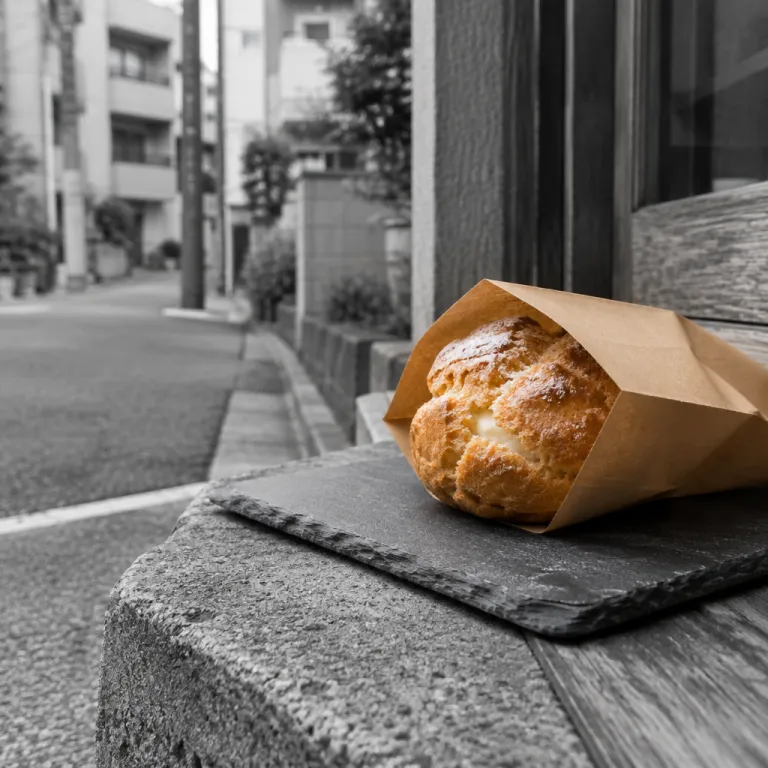
Photography is generally allowed, but be respectful of staff and other guests when you frame the perfect shot of your Totoro cream puff by the window. Remember that this is a working bakery and cafe, not a studio set, and the team’s priority is serving food rather than staging photos. A thoughtful approach helps preserve the calm atmosphere that makes the factory so special.
Using Shiro‑hige’s cream puff factory as a lens on Tokyo’s food trends
Shiro‑hige’s Cream Puff Factory illustrates how Tokyo’s food scene blends nostalgia, craftsmanship, and pop culture without sacrificing quality. The link to Studio Ghibli and Hayao Miyazaki’s My Neighbor Totoro draws visitors in, but the precision of the pastry and cream keeps them returning. This balance between character themed puffs and serious baking reflects a broader trend in Japan, where playful design coexists with rigorous technique.
For travellers choosing a hotel, this trend matters because it shapes which neighbourhoods feel vibrant and current. Areas with places like Shiro‑hige, Tolo Coffee, and other small coffee bakery concepts often signal a wider ecosystem of independent food businesses. Staying near such clusters gives you daily access to evolving pastry, cafe, and fresh pasta offerings that go beyond standard tourist fare.
Tokyo’s rail network makes it easy to visit almost any factory, cafe, or bakery in the city, but proximity still changes behaviour. When a favourite spot is only a short walk from your hotel, you are more likely to drop in for an unplanned cream puff or coffee between other plans. Over several days, these small visits add up, giving you a deeper sense of how locals actually use their neighbourhood food spaces.
From themed pastry to thoughtful hospitality
Hotels that understand the appeal of Shiro‑hige’s Cream Puff Factory often integrate it into their own hospitality, whether by sharing directions, suggesting the best time to visit, or even arranging to store pastry boxes safely. Some concierges keep printed maps showing the walk from nearby stations on the Keio Inokashira and Odakyu lines to the puff factory. This kind of support signals that the property recognises food as a central part of Japan travel, not an afterthought.
When you evaluate potential stays, pay attention to how staff talk about local food, from cream puffs and bakeries to ramen and sake bars. A team that can recommend both Shiro‑hige and a late night izakaya usually reflects deeper engagement with the neighbourhood. Over time, these conversations can lead you to lesser known cafes, pastry shops, and even small factories producing ingredients used in Tokyo’s best kitchens.
By treating Shiro‑hige’s Cream Puff Factory as more than a single stop, you gain a framework for reading the city’s food landscape. You start to notice how each station, each walk, and each open window of a cafe contributes to a larger pattern of everyday pleasure. That perspective can guide not only where you stay, but how you move, eat, and share your Tokyo stories when you return home.
Planning your visit around trains, timing, and hotel logistics
Reaching Shiro‑hige’s Cream Puff Factory is straightforward once you understand the local train lines and stations. The closest stops are Setagaya‑Daita Station on the Odakyu Line, about a 5 to 7 minute walk, and Shimo‑Kitazawa Station on the Odakyu and Keio Inokashira lines, around a 10 minute walk through quiet residential streets to the bakery and cafe. Many travellers base themselves near Shimokitazawa Station or Shibuya to keep transfers simple while still enjoying a calm approach to the factory.
Because the bakery opens in the morning and popular cream puff flavours can sell out, aim to arrive within the first few hours of opening. If your hotel includes breakfast, consider eating lightly so you can comfortably enjoy a Totoro cream puff and coffee soon after you arrive. Guests staying farther away should factor in train times and potential crowds, especially during weekends and holidays when Japan travel peaks.
On the way back, you can stop at Tolo Coffee or another coffee bakery for a second drink, or continue directly to your next sightseeing stop. Some visitors pair the factory with an afternoon in Shimokitazawa, browsing shops and sampling other pastry and food options before returning to their hotel. Others head straight toward the Ghibli Museum or central Tokyo, carrying a box of cream puffs to share later in the day.
Integrating the factory into a wider Tokyo itinerary
To make the most of your time, treat Shiro‑hige’s Cream Puff Factory as a flexible anchor rather than a rigid appointment. Plan one morning with a clear visit, then leave space in your schedule for a second or third walk if you fall in love with the puffs. This approach works especially well on longer trips, where you can weave pastry stops between museum visits, shopping, and evening meals.
When mapping your days, consider how often you want to cross the city versus staying within one or two adjacent station areas. A well chosen hotel near the Keio Inokashira or Odakyu lines can reduce transit time and increase the number of relaxed cafe and bakery breaks you enjoy. Over a week, those saved minutes translate into extra coffees, more cream puffs, and quieter moments watching the world through a cafe window.
Finally, remember that part of the charm lies in the ordinary details: the short walk from the station, the way the door opens with a soft chime, the quiet exchange as you order your chosen puff. By paying attention to these small rhythms, you will carry home more than photos of Totoro cream puffs. You will bring back a lived sense of how Tokyo’s food, trains, and neighbourhoods fit together in everyday life.
Key figures on Tokyo food travel and neighbourhood stays
- According to the Japan National Tourism Organization (JNTO), a majority of international visitors cite food as a primary reason for Japan travel, a share that has steadily increased over the past decade; JNTO visitor surveys highlight dining and local cuisine alongside shopping and sightseeing.
- Tokyo consistently holds hundreds of Michelin starred restaurants, one of the highest concentrations in the world, which reinforces the city’s reputation as a global food capital and draws travellers who plan entire itineraries around dining, from ramen counters to pastry shops.
- Surveys by the Tokyo Metropolitan Government indicate that repeat visitors are increasingly likely to stay in neighbourhoods outside major hubs like Shinjuku and Shibuya, reflecting growing interest in local areas such as Setagaya, Shimokitazawa, and other residential districts linked by the Keio Inokashira and Odakyu lines.
- Industry reports from major booking platforms suggest that properties within about a 10 to 15 minute walk of popular food landmarks, including well known bakeries and cafes, often achieve higher occupancy rates and guest satisfaction scores than comparable hotels farther away.
- Rail usage statistics from JR East and private lines such as Keio and Odakyu confirm that easy station access remains one of the top factors influencing hotel choice for visitors staying in Tokyo, especially those planning to combine food stops with multiple day trips.
FAQ about Shiro‑hige’s cream puff factory and where to stay
Which Tokyo station is best for reaching Shiro‑hige’s cream puff factory?
The closest stations are Setagaya‑Daita on the Odakyu Line and Shimo‑Kitazawa on both the Odakyu and Keio Inokashira lines. Many travellers choose hotels near Shimokitazawa Station or Shibuya Station to keep transfers simple while still enjoying a short walk to the factory. Any base with direct access to these lines will make your visit straightforward.
What time should I arrive to get Totoro cream puffs?
The bakery opens in the morning, and popular flavours often sell out by early afternoon, especially on weekends and holidays. Aim to arrive within the first few hours after opening to have the best selection of cream puff flavours. Staying nearby makes it easier to time your visit without rushing breakfast or other plans.
Can I eat at the cafe or is it take away only?
Shiro‑hige’s Cream Puff Factory offers both a ground floor bakery for take away and an upstairs cafe where you can sit and enjoy your puffs with coffee or light food. Seating is limited, so arriving early or being flexible with timing helps. Many visitors eat one Totoro cream puff on site, then take a box back to their hotel.
Which neighbourhoods work best for food focused stays near the factory?
Shimokitazawa, Setagaya‑Daita, and parts of Shibuya are excellent choices for travellers who prioritise Shiro‑hige and other independent cafes and bakeries. These areas offer a mix of pastry shops, coffee spots, and casual restaurants, along with easy access to the Keio Inokashira and Odakyu lines. Choosing a hotel here lets you combine daily food explorations with straightforward train connections across Tokyo.
How can I combine a visit to the factory with the Ghibli Museum?
A common approach is to start the day at Shiro‑hige’s Cream Puff Factory for breakfast or a morning snack, then ride the Keio Inokashira Line toward Kichijoji and continue to Mitaka for the Ghibli Museum. Booking a hotel near a station on this line simplifies the journey and reduces transfer time. Always secure museum tickets in advance, then plan your pastry stop around your timed entry slot.