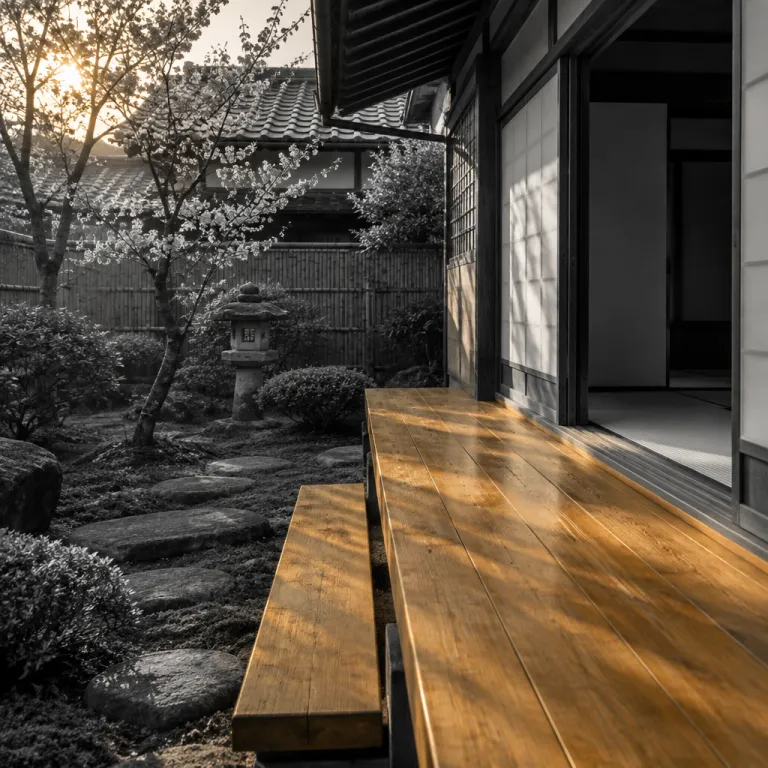
Musashino housing as a calm design counterpoint to central Tokyo
Musashino housing offers a refined alternative to dense central Tokyo hotel towers. In this western suburb, the city softens into low-rise streets where apartments and small inns sit beside quiet parks and shrines. Many travelers choose a hotel near a Musashino station because the balance between calm nights and fast rail access feels ideal.
The Musashino area lies between Shinjuku and Saitama, and its rail network makes it easy to reach almost any station in the metropolitan city within 20 to 30 minutes. From Musashi-Sakai Station on the JR Chūō Line, you can reach Shinjuku Station in roughly 20 minutes, while Kichijōji Station and Mitaka Station sit only a few minutes apart on the same line. When you compare rent levels and hotel rates around each station, Musashino City often delivers better value for money than similar districts closer to the Yamanote Line, a pattern reflected in rental market summaries published by major Tokyo real estate portals such as SUUMO and Homes.
For hotel guests, this means you can book a room that feels like a well-planned LDK apartment rather than a cramped pod. Many properties borrow ideas from Musashino apartments, such as raised floor platforms, sliding partitions between rooms, and compact kitchenettes that echo local LDK layouts. If you enjoy walking, look for a place within roughly five to eight minutes of a major station, because that short stroll keeps luggage manageable while still placing you in a residential place to live rather than a nightlife strip.
Kichijōji and Mitaka: where hotel design mirrors apartment life
Kichijōji is often ranked among the most desirable places to live in Tokyo. Around Kichijōji Station and the slightly quieter Kichijōji Kitamachi and Kitamachi Musashino neighborhoods, hotel interiors increasingly imitate the design language of nearby apartments. You will notice LDK apartment-style layouts, with a single open floor that combines living, dining, and sleeping zones, separated only by low shelving or sliding screens.
Staying near Kichijōji Station usually means a short walk to Inokashira Park, where locals picnic under cherry blossoms and jog around the lake. Hotels here often emphasize the park connection in their design, adding generous entrance halls with benches and shoe storage, just like Musashino apartments that expect residents to return from the park with strollers, bicycles, or shopping bags. When you compare an apartment listing in Kichijōji with a nearby hotel room, you will often see the same light wood floors, white walls, and compact balconies that blur the line between temporary stay and long-term rent. Properties such as Kichijoji Tokyu REI Hotel and Richmond Hotel Tokyo Musashino illustrate this approach, with interiors that feel closer to compact Musashino apartments than to anonymous business hotels.
Mitaka Station, one stop from Kichijōji Station, offers a slightly more relaxed station area with wider streets and lower building heights. Hotels and share house-style accommodations here sometimes occupy former apartment buildings, keeping the original floor size and room divisions while upgrading finishes for short-stay guests. For example, several small-scale guesthouses around the south exit of Mitaka Station operate in converted LDK units, retaining separate living rooms and bedrooms. If you prefer a quieter base, look for a hotel within about five to ten minutes of Mitaka Station, because that walking range keeps you close to trains while placing you in a residential street where Musashino housing design feels most authentic.
From key money to hotel deposits: how Musashino rent culture shapes pricing
Anyone who has tried to rent an apartment in Musashino City quickly learns about key money, agency fees, and multi-month deposits. This rent culture, common across Tokyo and neighboring Saitama, has indirectly influenced how hotels price their rooms and structure long-stay plans. Many extended-stay hotels in the Musashino area now market themselves as a flexible alternative to a traditional apartment, highlighting that there is no key money and no guarantor required.
When you compare the total money needed to move into a Musashino apartment with the cost of a three-month hotel stay, the difference can be smaller than expected. A typical LDK apartment near Musashi-Sakai or Kichijōji Station might require several months of rent upfront, while a hotel in the same area asks only for a credit card and perhaps a modest deposit. For digital nomads or relocating professionals, this Musashino housing hybrid model allows you to test a place to live near a chosen station before committing to a full lease. Extended-stay plans at properties such as Richmond Hotel Tokyo Musashino or Kichijoji Tokyu REI Hotel often explicitly target this audience, presenting themselves as an alternative to signing a conventional Musashino apartment contract.
Design-wise, hotels that target this market often adopt apartment-like rooms with a clear separation between the entrance floor, kitchen corner, and sleeping area. You might see a compact LDK apartment layout with a small sofa, a dining table for two, and a bed on a raised floor platform. When you evaluate options, pay attention to the stated walking time from the nearest station, because a three to five minute walk can significantly improve daily comfort, especially during the humid summer and rainy season.
Share houses, micro hotels, and the social side of Musashino housing
Beyond conventional hotels, Musashino housing includes a growing number of share house properties and micro hotels that appeal to younger travelers. These spaces often sit within roughly ten minutes of a major station, using the ground floor for communal kitchens and lounges while private rooms occupy upper floors. The design language borrows from both traditional apartments and contemporary co-living spaces, with flexible rooms that can be reconfigured as demand shifts between short and long stays.
In areas like Kitamachi Musashino and Kichijōji Kitamachi, share house operators sometimes convert older apartment buildings into hybrid properties. A former two-room apartment might become three compact guest rooms, while the original LDK becomes a shared kitchen and dining area. For hotel guests, booking a private room in such a share house can feel like renting an apartment in Tokyo for a week, with the added benefit of meeting residents who actually use the neighborhood as their long-term place to live. National chains such as Oakhouse and Share Residence list several Musashino City and Kichijōji-area properties that follow this model, combining private bedrooms with shared Musashino apartment-style living spaces.
When you assess these options, look closely at the stated station distance figures in listings, because they indicate how realistic daily commuting will feel. A share house that claims a seven-minute walk to Musashi-Sakai Station but actually sits closer to fifteen minutes away will change your experience of the city. If you value late-night dining or early trains, prioritize properties within a verified five to eight minute radius of the station, since that range balances quiet streets with practical access.
How Musashino station design and access influence hotel architecture
Railway design has quietly shaped Musashino housing and, by extension, hotel architecture across the area. Stations like Kichijōji Station, Musashi-Sakai, and Mitaka Station function as compact urban centers, with layered concourses, shopping floors, and bus terminals stacked above or beside the tracks. Hotels often rise directly from these station complexes, using the lower floors for retail and the upper floors for rooms that overlook the city.
For travelers, this integration means that a hotel only a minute or two from the ticket gates can still feel connected to local life rather than sealed off in a business district. Around each station, the first five-minute radius usually contains dense commercial blocks, while the next band of streets transitions into quieter Musashino apartments and low-rise houses. Choosing a hotel just beyond the immediate station area, perhaps at an eight to ten minute distance, often yields larger rooms and a more residential atmosphere without sacrificing access to central Tokyo.
When you evaluate floor plans, notice how many hotels adopt apartment-like corridors and room layouts that echo nearby Musashino apartments. Some properties near Kichijōji Station and in Musashino City publish detailed walking distance and floor diagrams, similar to apartment listings, to help guests visualize circulation and storage. If you plan to explore Tokyo’s dining scene, consider how station access shapes your evenings, and you may find it useful to read analyses such as how Tokyo’s best sushi restaurants shape where you stay on specialized hospitality sites.
Room size, floor planning, and what Musashino apartments teach hotel guests
Tokyo is famous for compact rooms, but Musashino housing shows how thoughtful planning can make small spaces feel generous. Local apartments often use sliding doors, built-in storage, and multi-purpose furniture to maximize every square metre. Hotels in Musashino City increasingly adopt these strategies, offering rooms that feel closer to a small LDK apartment than a conventional single room.
When you compare listings, pay attention to both the stated room size and the effective walking space within the layout. A 20 square metre room with a clear circulation path from entrance to window can feel more comfortable than a larger room cluttered with furniture. Look for floor plans that separate the wet area from the sleeping zone, and that provide at least a small table where you can work or eat, because these details come directly from Musashino apartments designed for long-term comfort.
Families and small groups may prefer hotels that offer interconnected rooms or one-floor suites that mimic a two-room LDK apartment. In some converted apartment buildings, you can even book a full apartment-style Kichijōji unit with a kitchen, washing machine, and balcony, effectively renting a Musashino apartment for a short stay. This approach often saves money compared with booking multiple hotel rooms, especially when you factor in the cost of eating out versus cooking simple meals at home.
Choosing your Musashino base: practical tips for hotel guests
Selecting the right Musashino housing base starts with clarifying how you will use Tokyo’s rail network. If you expect to commute daily to central business districts, staying near Musashi-Sakai or Mitaka Station offers fast access on the JR Chūō Line. Travelers who prioritize nightlife and shopping may prefer the energy around Kichijōji Station, while those seeking quieter streets might choose a hotel deeper in Musashino City or near the border with Saitama.
When you compare options, list the walking time for each property and verify the actual distance using a map, because this affects both convenience and perceived safety at night. A hotel within three to five minutes of a major station feels very different from one at a twelve to fifteen minute distance, especially in heavy rain or summer heat. Also consider whether you want a conventional hotel room, a share house-style private room, or a full LDK apartment unit, because each format reflects a different facet of Musashino housing culture.
Finally, think about how the design of your temporary place to live will shape your experience of Tokyo as a whole. A well-planned room with a functional floor layout, good storage, and a calm view can make long days of sightseeing or business meetings far more pleasant. By reading floor plans as carefully as you would for a long-term rent apartment, you align your stay with the quiet, thoughtful design principles that define Musashino apartments and the wider Musashino City landscape.
Key figures shaping Musashino housing and hotel choices
- Average advertised apartment size around Kichijōji Station and Mitaka Station typically ranges from about 20 to 30 square metres for one-room and compact LDK layouts, according to summaries published by major Tokyo real estate portals such as SUUMO and Homes, which helps explain why many nearby hotel rooms adopt similar compact but efficient floor plans.
- Typical walking times from Musashino area stations to residential streets fall between roughly five and twelve minutes, based on local planning documents and neighborhood surveys released by Musashino City and Tokyo metropolitan authorities, so hotels that sit within a five to eight minute walk often combine quiet surroundings with practical access to central Tokyo.
- Surveys by Tokyo metropolitan authorities and private research firms, including periodic “most desirable places to live” rankings by SUUMO, show that Kichijōji and surrounding Musashino City districts consistently rank among the most desirable places to live in the region, which supports the growing trend of hotels adopting Musashino apartment-style interiors to appeal to guests seeking a residential atmosphere.
- JR East passenger data indicates that Kichijōji Station handles well over 100,000 boarding passengers per day in recent years, placing it among the busier stations on the Chūō Line and reinforcing the value of choosing accommodation with clear, safe station access within a short walking radius.
FAQ about Musashino housing and staying in Tokyo
Is Musashino a good base for first time visitors to Tokyo ?
Musashino is an excellent base if you value calm residential streets, reliable train access, and hotel rooms that feel more like compact apartments. The JR Chūō Line connects stations such as Kichijōji, Musashi-Sakai, and Mitaka directly to Shinjuku and Tokyo Station, usually within 20 to 30 minutes. You trade a slightly longer commute for quieter nights and often better value for money.
How far should my hotel be from the nearest station in Musashino ?
For most travelers, a three to eight minute walk from the station offers the best balance between convenience and a peaceful environment. Properties closer than three minutes may sit in busier commercial blocks, while those beyond ten to twelve minutes can feel tiring after long days out. Always verify the stated station minutes using a map to ensure the walking time claims are realistic.
Are apartment style hotels common in Musashino City ?
Apartment-style hotels and extended-stay properties are increasingly common around Kichijōji Station, Musashi-Sakai, and Mitaka Station. Many convert former Musashino apartments into LDK apartment units with kitchenettes, washing machines, and separate living areas. These options suit guests planning longer stays or those who prefer a residential place to live feeling rather than a conventional hotel corridor.
What is key money, and does it affect hotel stays in Musashino ?
Key money is a non-refundable payment traditionally required when you rent an apartment in Japan, including in Musashino City and wider Tokyo. Hotels do not charge key money, but some extended-stay properties market themselves as an alternative to apartments by emphasizing that there is no such fee. This makes long hotel stays particularly attractive for newcomers who want to test the area before signing a full lease.
How does Musashino compare with central Tokyo for room size and design ?
Room sizes in Musashino hotels are often similar to those in central Tokyo, but the layouts tend to borrow more directly from local Musashino apartments. You will frequently see LDK apartment-inspired designs, with open-plan living and dining areas and efficient storage solutions. This approach can make compact rooms feel more livable, especially for guests staying a week or longer.