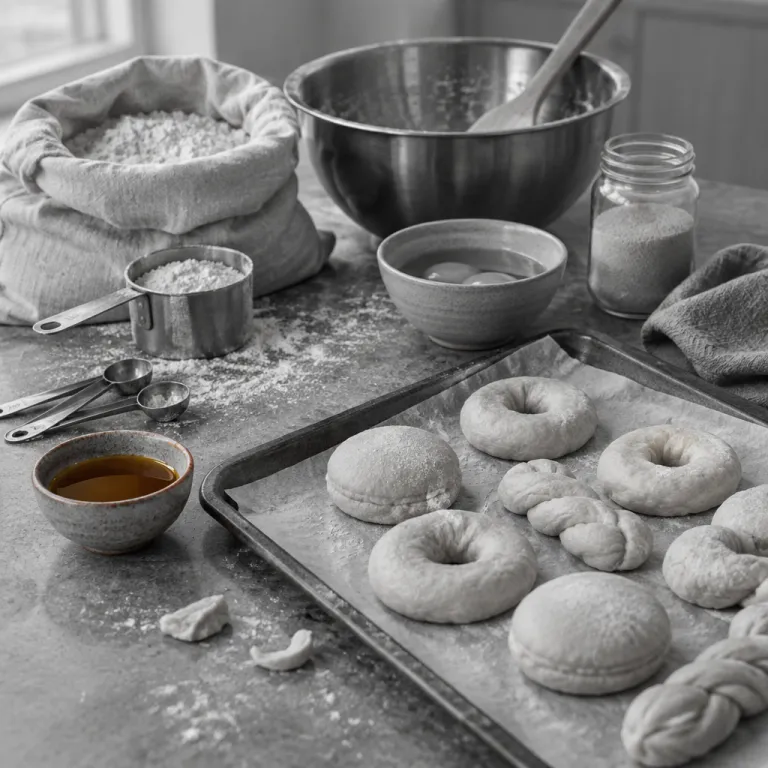
I m donut tokyo as a new benchmark for food focused stays
Choosing a hotel in Tokyo becomes easier when you anchor your plans around I’m Donut Tokyo and its cult following. This doughnut focused café concept has turned a simple donut into a destination food experience that many travellers now prioritise when selecting their location in Japan. For guests who care about gastronomy, proximity to this store can matter as much as room size or on site amenities.
The brand’s signature nama donut takes the classic doughnut and reimagines it with a slow fermented dough that creates a melt in the mouth texture. These nama donuts are often filled with silky cream or custard cream, and the result feels closer to a fine pastry than to the glazed donut you might expect in New York City. When you plan your time in Tokyo, staying near a location that serves this level of food means you can experience it at quiet times, rather than queuing during peak donut hours with the day trippers.
Travellers who usually think of Times Square in New York City as the reference point for crowds quickly realise that Shibuya and Harajuku in Tokyo can feel just as intense at certain times. Positioning your hotel within walking distance of a donut Harajuku branch or a Shibuya store lets you slip in early, enjoy a nama fresh creation, then retreat to your room before the rush. As one repeat visitor put it after a week in Tokyo, “having my hotel five minutes from I’m Donut Tokyo turned breakfast into a quiet ritual instead of a daily queue.”
Harajuku, Shibuya or elsewhere : choosing your hotel location around i m donut tokyo
When you compare neighbourhoods, Harajuku Tokyo offers perhaps the most vivid context for enjoying I’m Donut Tokyo between shopping and people watching. The area around Takeshita Street and Harajuku Station is dense with fashion, youth culture and Japanese street food, so a nearby hotel gives you instant access to both the energy and the quieter back lanes. If you stay slightly away from the busiest square near the station, you can still reach your chosen store in under ten minutes on foot while enjoying calmer nights.
Shibuya, by contrast, suits travellers who want a more urban feel, with late night cafés and bars complementing their donut cravings. A hotel near Shibuya Station places you between several key food locations, so you can walk to a café serving nama donuts in the morning, then cross to another store for a limited edition glazed donut with white chocolate or matcha cream filling later in the day. For a structured overview of how such neighbourhood choices affect your whole trip, consult this guide to Tokyo hotels and the best sake in Japan before you book.
Some visitors prefer quieter residential districts, then commute by train for their donut nama fix at selected times. In that case, focus on hotels with easy rail access to Harajuku Station or Shibuya, so you can reach your chosen I’m Donut Tokyo location in under thirty minutes door to door. This balance lets you enjoy the full Japanese café culture around donuts without sacrificing sleep quality or paying the highest central Tokyo room rates.
From matcha cream to vegan options : how menus influence where food lovers stay
Menus at I’m Donut Tokyo go far beyond a simple ring shaped donut, and that variety has started to influence how serious food travellers choose their base in the city. You will find nama donut creations layered with matcha cream, white chocolate drizzles, custard cream fillings and seasonal fruit, each designed to melt in the mouth with almost no resistance. For many guests, staying near a store that rotates limited edition flavours becomes a way to experience Japanese creativity every morning.
Dietary needs also play a role, especially for visitors who require gluten free or vegan options and do not want to spend time hunting across Tokyo. Some branches experiment with donut gluten conscious recipes or vegan friendly doughnut variations, and being able to walk from your hotel to check the day’s selection can be reassuring. One traveller described checking the counter at opening time each day “just to see what new nama donut flavour appeared overnight,” turning a simple café stop into a small daily adventure.
Guests who travel frequently between New York and Tokyo often compare their experiences, noting how a Times Square style rush contrasts with the more ritualised Japanese approach to food. In Japan, taking time over a carefully prepared doughnut or a tray of nama donuts is part of the pleasure, so staying nearby allows you to slow down. If you are the type who plans your day around café stops, choose a hotel that keeps your preferred I’m Donut Tokyo location within a short, pleasant walk.
Design, seating and the second floor factor : what to expect inside
Once you step inside an I’m Donut Tokyo café, the atmosphere often feels closer to a minimalist pastry shop than to a fast food donut chain. Many locations use clean lines, warm wood and carefully framed views of the kitchen, turning the act of choosing a doughnut into a small performance. For hotel guests who value aesthetics, staying near such a space means you can treat it as an informal lounge during quieter times of the day.
Some branches feature a second floor seating area, which can be a strategic advantage if you plan to work remotely between sightseeing sessions. You might carry a box of nama donuts upstairs, pair a matcha latte with a limited edition glazed donut, then spend time answering emails before heading back to your room. When you evaluate hotels, consider whether their lobby and in house café feel as inviting as the nearby I’m Donut Tokyo store, because you will likely split your time between both.
Layout also matters for families or groups who want to share different donuts without feeling rushed. A branch with a generous square of communal seating allows you to spread out plates of donut nama, vegan doughnut options and gluten free experiments while comparing flavours. If your hotel room is compact, this extra café space effectively extends your living area, which can be a subtle but real advantage during a longer stay in Tokyo.
Planning your time : queues, peak hours and hotel strategies
Queues at I’m Donut Tokyo can be long, especially at high profile locations near Harajuku Station or central Shibuya. To avoid spending too much time waiting, choose a hotel that lets you reach your preferred store within ten minutes, so you can arrive just after opening or during mid afternoon lulls. This timing strategy turns what could be a stressful rush into a calm daily ritual.
Many travellers underestimate how much of their Tokyo time disappears into transport and lines for popular food spots. If you stay far from Harajuku Tokyo or Shibuya, a single round trip for donuts plus queue time can easily consume two hours, which adds up over several days. By contrast, a nearby base lets you pop out for a nama fresh donut or a box of nama donuts between other activities, then return to rest or change before your next outing.
Think of your day in segments rather than as one long block, and align those segments with donut times that suit your rhythm. Early risers might enjoy a quiet glazed donut with custard cream before the shops on Takeshita Street open, while night owls could time a final café stop after exploring Shibuya’s lights. In both cases, the right hotel location around I’m Donut Tokyo gives you flexibility that feels luxurious even if your room itself is modest.
Linking i m donut tokyo with wider neighbourhood experiences
Positioning your stay around I’m Donut Tokyo does not mean limiting yourself to sweets ; it means using a beloved café as a compass for exploring the city. From a Harajuku base, you can pair a morning donut harajuku visit with an afternoon in nearby Meiji Jingu, then return via Takeshita Street for a final doughnut and coffee. In Shibuya, a similar pattern might involve crossing the famous scramble, shopping in back streets, then pausing at a store for nama donut treats before heading back to your hotel.
Travellers who know New York often compare Shibuya’s neon to Times Square, yet the Japanese approach to food and café culture feels more deliberate and crafted. You might start the day with a vegan or gluten free donut gluten conscious option, move on to ramen for lunch, then finish with a limited edition white chocolate creation that seems almost too pretty to eat. To help you weave these experiences into a coherent plan, consult this detailed guide to a four day Tokyo itinerary with smart hotel choices before finalising your booking.
Over several days, you will notice how your chosen I’m Donut Tokyo location becomes a reference point for giving directions and planning meeting times with friends. Saying “let us meet by the donut store near Harajuku Station” or “see you at the café on the corner square in Shibuya” quickly replaces more abstract map references. When a single doughnut shop can orient your movements so effectively, it makes sense to let it influence where you sleep as well as where you eat.
Key figures shaping Tokyo hotel choices for food focused travellers
- According to the Japan National Tourism Organization (JNTO), more than 14 million international visitors arrived in Japan in 2023, and Tokyo remains the primary entry point for a majority of these travellers. Always check the latest JNTO statistics, as arrival numbers and city rankings are updated regularly.
- Surveys by the Tokyo Metropolitan Government in 2019 indicate that over 40 % of visitors cite food as a leading reason for choosing the city, a proportion that has grown steadily over the past decade. Methodology and exact percentages can vary by survey year, but the overall trend toward food motivated travel is clear.
- Data from major booking platforms show that hotels within a 1 kilometre radius of Harajuku and Shibuya stations consistently achieve higher average daily rates than properties in outer wards, reflecting demand for access to key café and street food areas. These figures are aggregated from publicly available industry summaries rather than a single official source.
- Consumer research on café culture in Tokyo suggests that travellers who prioritise gastronomy are willing to walk up to 20 minutes from their hotel for a specific dessert, but prefer under 10 minutes for everyday coffee and pastry stops. Such findings are based on sample surveys and should be read as indicative rather than absolute rules.
- Industry reports on gluten free and vegan dining in Japan note a year on year increase in such menu mentions in major cities, with Tokyo leading the trend and influencing how health conscious guests select their neighbourhood base. Because restaurant offerings change quickly, it is wise to confirm current options shortly before your trip.
FAQ about i m donut tokyo and where to stay
Which Tokyo neighbourhood is best if I want to visit i m donut tokyo often ?
Harajuku and Shibuya are the most practical choices if you plan to visit I’m Donut Tokyo several times during your stay. Both areas offer multiple café and food options, easy rail connections and a dense concentration of hotels at different price points. Staying within a 10 to 15 minute walk of Harajuku Station or Shibuya Station keeps your preferred donut store comfortably close.
Are there gluten free or vegan options at i m donut tokyo ?
Menus vary by location and season, but some branches experiment with gluten free inspired recipes and vegan friendly donuts. These options are not guaranteed daily, so check the display or ask staff about any donut gluten conscious or plant based doughnut on offer. If such choices are important to you, staying nearby allows you to drop in at different times to catch limited edition items.
How early should I arrive to avoid queues at popular branches ?
Lines at high profile locations near Harajuku Station or central Shibuya often build quickly after opening, especially on weekends and holidays. Arriving within the first 30 to 45 minutes after doors open usually offers the best balance between selection and waiting time. Choosing a hotel within a short walk makes it realistic to reach the store that early without rushing.
Is it worth paying more for a hotel close to Harajuku or Shibuya just for café access ?
If food is a central part of your trip, paying a modest premium for a Harajuku or Shibuya base can be worthwhile. You save time on transport, can visit I’m Donut Tokyo at quieter times and gain easy access to many other Japanese dining options. For travellers who plan multiple daily café stops, this convenience often outweighs the higher nightly rate.
Can I use i m donut tokyo as a meeting point when travelling with friends ?
Using a well known café such as I’m Donut Tokyo as a meeting point works very well in dense areas like Harajuku Tokyo and Shibuya. The stores are easy to recognise, usually located near major streets or squares and associated with pleasant waiting times over coffee and donuts. When you book your hotel, consider how simple it will be for everyone to reach that shared landmark from their respective bases.