How the best sushi restaurants in Tokyo shape your stay
Choosing a hotel in Tokyo is easier when you first understand where the best sushi restaurants in Tokyo are concentrated. If you care about food as much as location, planning your nights around a memorable sushi experience can be more decisive than comparing room sizes or loyalty points. Many travellers now shortlist hotels in areas such as Ginza or Minato specifically to be within walking distance of a favourite sushi restaurant or two.
The city’s sushi culture is dense and layered, with tiny counters hidden in basements and high floor dining rooms overlooking the skyline, so where you sleep will strongly influence which places you can realistically reach for lunch or dinner. In central districts such as Ginza, Shinjuku, Shibuya and Minato, restaurants range from modest conveyor belt venues to some of the highest ranked Edomae sushi counters on Tabelog, whose top scores above 4.0 are rare according to 2024 listings. When you read hotel descriptions, always cross reference the address with a trusted guide map so you can see how close you are to clusters of top sushi restaurants and how long it will take to walk there.
For travellers who value the best sushi more than nightlife, staying near Ginza or in a quieter corner of Minato often makes sense. These neighbourhoods place you close to legendary names and give you easier access to early lunch or late dinner reservations without long taxi rides. Think of your hotel as the base camp for your personal sushi experience rather than just a place to sleep between sightseeing days, and choose somewhere that keeps most of your target counters within a fifteen minute walk or a short subway hop.
Ginza and beyond: where to stay for world class sushi
Ginza remains the spiritual home of high sushi in Tokyo, and it is the first district many connoisseurs consider when searching for the best sushi restaurants in Tokyo. Here you find counters where every grain of sushi rice is calibrated, every slice of fish is cut with millimetre precision, and every chef moves with the calm focus of a watchmaker. Staying in or near Ginza means you can walk to a remarkable number of sushi restaurants, from discreet eight seat counters to more relaxed places serving excellent nigiri at a gentler price.
Among the most famous names is Sukiyabashi Jiro, led by chef Jiro Ono, the renowned sushi master featured in the film Jiro Dreams of Sushi, and located in the basement of the Ginza station building in Chuo City; as of the 2024 Michelin Guide Tokyo, it is not listed and reservations are typically handled through trusted hotel concierges or regular guests. Nearby, chef Masahiro Yoshitake at Sushi Yoshitake in Ginza is known for an innovative omakase that still respects classic Edomae technique, which relies on marinating and ageing fish to deepen flavour. A short ride away in Akasaka, chef Takashi Saito at Sushi Saito in Ark Hills offers another benchmark omakase, and many travellers choose hotels in Minato or central Chiyoda specifically to keep the taxi ride to these restaurants short and predictable, usually under fifteen minutes in normal traffic.
Because reservations required policies are strict at these high sushi counters, staying close by reduces the stress of timing and transport. You can plan a relaxed lunch or dinner without worrying about train delays, and you can return to your room quickly after a long omakase sequence of rice, fish and seasonal side dishes. When you compare hotels, consider not only the nightly price but also how the location supports your Tokyo sushi ambitions over several days, and look for properties within walking distance of Ginza, Toranomon, Shimbashi or Akasaka if these counters are on your list.
Understanding styles: Edomae sushi, omakase and conveyor belt fun
Not every traveller wants the same style sushi, so your hotel choice should reflect the kind of sushi experience you are seeking in Tokyo. Traditional Edomae sushi focuses on techniques developed in old Edo, using marination, curing and precise temperature control of both fish and sushi rice to create depth and balance. Many of the best sushi restaurants in Tokyo specialise in this Edomae approach, and they often operate as intimate counters where the chef serves nigiri directly across the counter.
At these omakase focused sushi restaurants, you entrust the chef to choose the sequence of fish, shellfish and seasonal dishes, which can be one of the most memorable forms of Japanese food you will ever taste. The average cost of an omakase meal in top Tokyo sushi restaurants is often around 30,000 JPY according to 2023–2024 gourmet price surveys, which makes location and transport costs worth considering when you plan several nights of dinner sushi. If you stay near Ginza or Minato, you can alternate between a high sushi omakase one night and a more casual conveyor belt restaurant the next, balancing both budget and variety while still returning to your hotel in under twenty minutes.
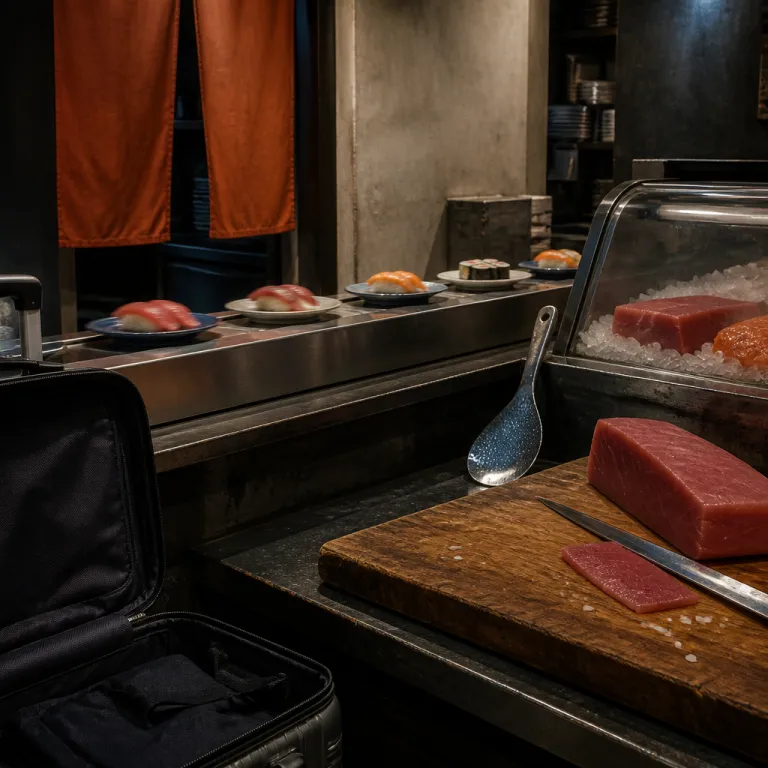
Conveyor belt venues, known locally as kaiten sushi restaurants, are ideal for families or solo travellers who want to sample many kinds of sushi quickly. Plates of nigiri, rolls and seasonal items glide past, and you pay by the colour coded price of each plate, which keeps the experience playful and transparent. When you read hotel reviews, look for mentions of nearby conveyor belt options as well as serious omakase counters, because having both within a short walk gives you welcome flexibility during a long stay and lets you adjust plans if you are tired or your budget changes.
Prices, reservations and etiquette every hotel guest should know
For visitors planning where to stay, understanding price levels at the best sushi restaurants in Tokyo is as important as checking room rates. At the very top counters, especially in Ginza and central Minato, a full omakase dinner can cost more than many hotel rooms, while a shorter lunch omakase often offers a more accessible price for similar quality. Many travellers therefore choose a slightly more modest hotel so they can allocate more of their budget to food and to at least one high sushi experience.
At elite sushi restaurants, reservations required policies are strict, and it is common for bookings to open one or two months in advance. Some places, such as Sukiyabashi Jiro, are so sought after that reservations are extremely difficult and often require hotel concierge assistance, while others accept calls directly to a published Tokyo phone number during limited hours. When you book your hotel, confirm whether the concierge can help with Tabelog research, restaurant calls and Japanese language support, because this service can be the difference between securing a dream counter seat and settling for a last minute alternative.
Etiquette also matters, especially at a traditional sushi restaurant where the chef watches each guest closely. Arrive on time, avoid heavy perfume that might interfere with the aroma of rice and fish, and follow the staff guidance on when to eat each piece of nigiri. Many of these customs evolved years ago in the compact counters of old Tokyo, and respecting them today will make your sushi experience smoother and more enjoyable for everyone around you, including the chefs and regulars who share the counter.
Reading the city: how to use guides, ratings and local insight
Once your hotel is booked, the next step is to read deeply about the best sushi restaurants in Tokyo that are realistically accessible from your base. Japanese diners rely heavily on Tabelog, a restaurant rating platform whose high scores are notoriously hard to earn, and many foreign visitors now use it alongside international guides to build their own shortlists. When you combine Tabelog ratings with a printed or digital city map, you can quickly see which clusters of sushi restaurants sit within a ten or fifteen minute walk of your hotel.
Pay attention to patterns rather than chasing a single best sushi counter, because Tokyo sushi culture rewards curiosity and flexibility. For example, you might find three or four sushi restaurants in Ginza with strong Tabelog scores, each with a different style sushi approach, from ultra traditional Edomae sushi to slightly more modern interpretations that play with ageing and seasoning. By staying nearby, you can try one for lunch, another for dinner, and still have time to explore a more casual sushi restaurant that locals favour for late night food after work.
Hotel staff can be invaluable, especially those who have worked in the same district for many years and have watched restaurants rise and fall. Ask them which sushi restaurants they personally visit on days off, which counters are kind to first time foreign guests, and which places answer the Tokyo phone promptly for reservations. Their lived experience often reveals hidden gems that never appear in glossy lists of the best sushi restaurants in Tokyo but still deliver outstanding rice, fish and warm Japanese hospitality, sometimes at prices far below the most publicised names.
Planning your days: pairing sightseeing, hotels and sushi in Tokyo
Thoughtful planning lets you weave the best sushi restaurants in Tokyo into your sightseeing without exhausting yourself. One effective strategy is to anchor each day around a single major sushi experience, whether that is a serious omakase lunch near your hotel or a relaxed conveyor belt dinner after exploring another district. By grouping attractions, restaurants across the city and your accommodation on a single map, you minimise commuting and maximise time at the counter watching the chef work.
For example, if you stay in Minato, you might spend the morning at nearby museums, enjoy a mid range sushi lunch at a local restaurant, then take a short train ride of ten to fifteen minutes to Ginza for a high sushi omakase in the evening. Another day, you could explore Asakusa and Ueno, then return to your hotel area for a casual sushi Tokyo spot where reservations required policies are looser and walk in guests are welcome. Over several days, this rhythm allows you to sample both famous Ginza counters and more relaxed neighbourhood sushi restaurants without feeling rushed or spending your whole trip on trains.
Remember that Tokyo is vast, and distances that look short on a map can feel long after a full day of walking and trains. Choosing a hotel near the densest clusters of sushi counters reduces fatigue and makes spontaneous extra plates of nigiri or an unplanned late night sushi experience far more realistic. In a city where some of the world’s best sushi sits a few floors above an anonymous doorway, the right base turns your entire stay into a continuous, deeply satisfying exploration of Japanese food.
Key figures that frame Tokyo’s sushi landscape
- Tokyo hosts more than a dozen Michelin starred sushi restaurants according to the Michelin Guide Tokyo 2024, an exceptional concentration that underlines why many travellers consider it the global capital of high sushi dining.
- The average cost of an omakase meal in top Tokyo sushi restaurants is commonly reported at around 30,000 JPY in 2023–2024 gourmet price surveys, which means a single dinner can equal the nightly price of a mid range hotel room.
- Traditional counters in central districts often seat fewer than ten guests, so reservations required policies are strict and hotel concierge support becomes crucial for securing a place.
- Tokyo covers more than 2,000 square kilometres, so choosing a hotel in areas such as Ginza or Minato can reduce travel time to elite sushi restaurants by up to thirty minutes each way compared with staying in outer wards.
FAQ: practical questions about sushi and hotels in Tokyo
How far in advance should I book top sushi restaurants in Tokyo ?
For the best sushi restaurants in Tokyo, especially in Ginza and central Minato, you should aim to reserve at least one to two months ahead. Some legendary counters open their books on a fixed day each month and fill within hours, so ask your hotel to monitor dates and call the Tokyo phone number as soon as reservations open. Extremely sought after places such as Sukiyabashi Jiro can be even harder to access and may require concierge relationships built years ago.
Is lunch or dinner better for high end sushi in Tokyo ?
Lunch omakase at a serious sushi restaurant often offers similar quality to dinner at a lower price, making it attractive for travellers balancing hotel and food budgets. Dinner tends to be longer and sometimes includes a wider range of seasonal dishes, which can enhance the overall sushi experience if you are not rushed. Many visitors therefore plan one major lunch near their hotel and one special dinner in Ginza or Minato to compare.
Can my hotel help with reservations at famous sushi counters ?
Yes, many full service hotels in Tokyo maintain dedicated équipes that handle restaurant bookings, Tabelog research and calls in Japanese on your behalf. For some elite counters, especially those that became famous years ago, reservations required rules specify that only hotel concierges or regulars may book. When choosing accommodation, ask explicitly whether the staff can contact specific sushi restaurants and whether they have a track record of success.
Are there good sushi options near business districts and major stations ?
Business areas such as Marunouchi, Shinjuku and Shibuya host a wide mix of sushi restaurants, from quick conveyor belt venues to refined counters that rival those in Ginza. If your hotel is near a major station, you can usually find both casual and high sushi options within a ten minute walk, which is convenient after long workdays. Use a city guide map and recent Tabelog ratings to filter choices by style sushi, budget and opening hours.
What should I know about etiquette at traditional sushi restaurants ?
At classic Edomae sushi counters, punctuality, quiet conversation and respect for the chef’s rhythm are essential. You typically eat each piece of nigiri as soon as it is placed in front of you, avoid adding excess soy sauce to carefully seasoned sushi rice and fish, and refrain from strong perfume that might disturb other guests. If you are unsure, watch local diners or politely ask the staff, who are usually happy to guide first time visitors to Japanese sushi culture.
Sources and further reading
Michelin Guide Tokyo 2024; 2023–2024 gourmet price surveys published in major Japanese food magazines; Tokyo Metropolitan Government tourism information and restaurant statistics.