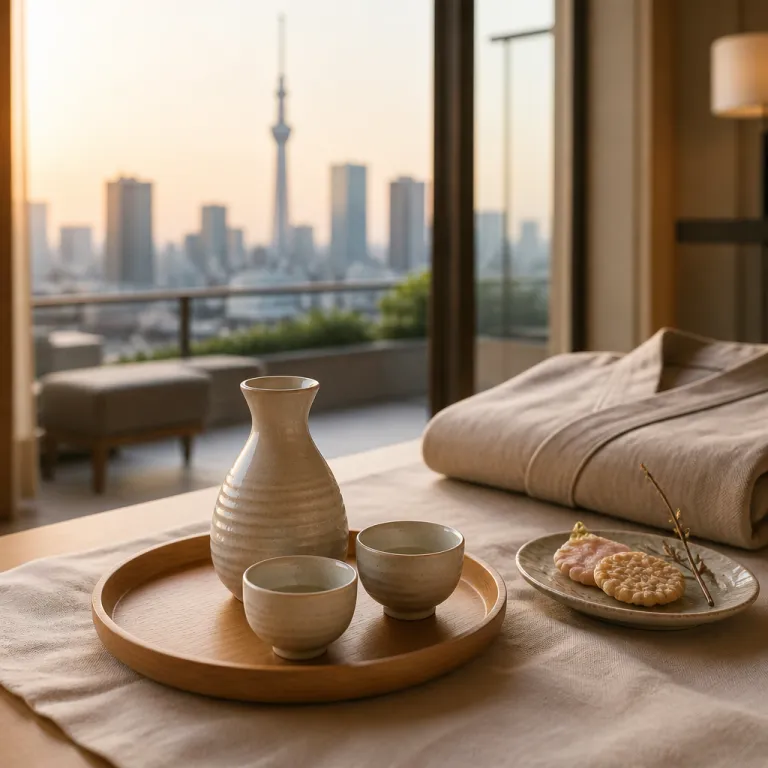
Why Tokyo hotels are the smartest base for tasting the best sake in Japan
Tokyo gives hotel guests rare access to some of the best sake in Japan in one compact, walkable city. Because leading breweries from almost every prefecture ship their top junmai, ginjo and daiginjo labels here, you can compare regional sakes side by side without leaving the capital. For travellers choosing a hotel, this means your base in Tokyo will shape how easily you can explore different styles of Japanese sake and rice wine in a single evening.
In central districts such as Ginza, Shinjuku and Shibuya, specialist bars curate flights that highlight how sake rice, rice polishing and polishing ratio influence taste and aroma. One counter might pour a crisp junmai ginjo from Niigata with rice polished to 60 percent, next to a lush junmai daiginjo from Yamagata with rice polished down to 40 percent, letting you feel how polishing levels change fragrance and texture. Staying within walking distance of these venues keeps drinking sake relaxed and safe, especially when you are sampling higher alcohol daiginjo or aged bottles late into the night.
Hotel concierges in Tokyo now treat nihonshu as seriously as wine, often maintaining their own lists of the best options nearby. Many properties partner with breweries to host limited edition tastings, where a brewer explains why a certain junmai or ginjo from their prefecture represents their idea of the best sake. When you plan your stay, ask whether the hotel can arrange a guided tasting that compares sparkling sake, classic rice wine styles and even experimental low alcohol sakes in a structured, food paired format; typical hotel bar flights cost around 2,000 to 4,000 yen depending on the number of pours and polishing levels.
How hotel location shapes your access to food, sake bars and halal options
Choosing a hotel near serious food districts is essential if you want to explore the best sake in Japan alongside great cuisine. Around Tokyo Station, Nihonbashi and Ginza, you will find intimate counters where chefs design menus around specific bottles, pairing grilled fish or seasonal vegetables with junmai daiginjo or ginjo from a single prefecture. In Shinjuku and Shibuya, casual izakaya offer more relaxed sessions, where you can compare the taste of rice wine from across Japan at a reasonable price per glass.
Travellers with dietary requirements should look for hotels close to halal friendly restaurants and bars that understand alcohol free needs. Some venues now offer alcohol free sparkling sake style drinks and low alcohol sakes, allowing mixed groups to share the ritual of tasting while respecting different beliefs. For a deeper look at how dining choices influence where you stay, review this guide to Tokyo halal restaurants and hotel selection before you book.
Even if you do not drink alcohol, staying near these culinary hubs still matters because many restaurants use sake rice and junmai techniques in sauces and marinades. You might enjoy food where the alcohol is cooked off, leaving only umami depth, while your companions explore daiginjo or aged pours by the glass. When comparing hotels, add proximity to specialist sake bars, sake friendly restaurants and alcohol free alternatives to your checklist, because this will maximise your ability to enjoy both food and sakes throughout your stay.
Understanding sake styles from your hotel bar: from junmai to daiginjo
Many upscale Tokyo hotel bars now function as compact classrooms for understanding the best sake in Japan. A well trained bartender will walk you through the main categories, starting with junmai, which is brewed only from rice, water, yeast and kōji, and then moving to junmai ginjo, ginjo and daiginjo, which involve progressively higher rice polishing. As the polishing ratio increases and more of the outer rice is removed, the resulting drink becomes lighter in body, more aromatic and often higher in price.
When you sit at a hotel counter, ask to compare a classic junmai with a fragrant junmai daiginjo and a premium daiginjo from different prefectures. You will notice that a junmai with less rice polished away offers a robust, grain forward flavor that pairs well with hearty food, while a junmai ginjo or ginjo with more rice polished off feels silkier and shows fruitier notes. This side by side experience helps you understand why some travellers consider a certain style the best sake, while others prefer the structure of more traditional rice wine.
Some hotel bars also highlight specific producers such as Akashi-Tai or Tamagawa Tokubetsu, presenting flights that compare their standard bottlings with limited edition or aged releases. These tastings often show how rice choice, polishing technique and time influence both alcohol level and flavor complexity in Japanese sake. For guests who plan their entire trip around gastronomy, it is worth reading how Tokyo’s best sushi restaurants shape hotel choice, then aligning your booking with properties that treat sake with the same care as fine wine.
Hotel neighbourhoods that excel for sake lovers: from Ginza to Asakusa
Different Tokyo neighbourhoods offer distinct ways to experience the best sake in Japan, so your hotel address matters. Ginza is ideal if you want refined counters where sommeliers pour rare junmai daiginjo and daiginjo from across Japan, often served in wine glasses to emphasise aroma and flavor. Here, the best lists feature bottles with extremely low polishing ratio numbers, meaning the sake rice has been polished to a high degree for an elegant, perfumed drink.
Shinjuku and Shibuya, by contrast, are perfect if you prefer energetic izakaya where food and sakes are the focus rather than ceremony. In these districts, you will find everything from sparkling sake and easy drinking junmai ginjo to robust aged labels that pair with grilled skewers, all at a more approachable price per glass. Staying nearby lets you move easily between venues, comparing how different prefecture traditions and rice wine styles express themselves in casual settings.
Asakusa and Ueno appeal to travellers who enjoy a more traditional atmosphere, with old style taverns that pour classic Japanese sake alongside simple food such as tempura and oden. These venues often highlight regional labels that rarely leave their home prefecture, giving you a chance to taste limited edition or seasonal sakes without leaving Tokyo. When evaluating hotels in these areas, add proximity to historic streets and local bars to your criteria, because this will enrich your understanding of how Japanese culture, rice and alcohol intersect in everyday life.
Planning a sake focused Tokyo stay: itineraries, budgets and tasting etiquette
Structuring your Tokyo stay around the best sake in Japan requires a clear plan that balances tasting sessions with rest. Many travellers choose a hotel near a major station such as Shinjuku or Tokyo Station, then design half day itineraries that combine sightseeing with visits to specialist bars and department store basements that stock hundreds of sakes. A practical approach is to schedule one focused tasting per day, allowing your palate and alcohol tolerance to recover between sessions.
Budgeting for sake is straightforward once you understand how polishing ratio and style influence price. A standard junmai or junmai ginjo with moderate rice polishing will usually be more affordable, while a top junmai daiginjo or daiginjo with very high polishing levels commands a premium similar to fine wine. Sparkling sake, aged bottles and limited edition releases from producers such as Akashi-Tai or Tamagawa Tokubetsu often sit at the higher end, so you should add a separate line in your travel budget for these special drinks.
Respectful etiquette also matters, especially when you are seated at small counters near your hotel. You will be expected to order some food with your drink, pour for your companions before yourself and avoid overfilling glasses, which shows consideration for both the alcohol and the brewer’s work with sake rice. For help combining efficient hotel locations with tasting routes, consult this detailed Tokyo itinerary for smart hotel choices, then adapt it by adding your preferred Japanese sake bars and rice wine shops.
Innovations in Japanese sake: what hotel guests should look for now
Tokyo is currently the best place in Japan to see how brewers are reinventing Japanese sake for modern drinkers. Many bars attached to hotels now feature sparkling sake, low alcohol sakes and experimental rice wine styles designed to pair with international food, from Italian pasta to Southeast Asian dishes. These innovations often rely on precise rice polishing and new sake rice varieties, which allow brewers to fine tune taste and flavor while keeping the drink refreshing.
Another visible trend is the rise of aged sake, where bottles are matured for years to develop nutty, sherry like notes that appeal to wine enthusiasts. Hotel bars that specialise in the best sake in Japan will often list vertical tastings of aged bottles from a single prefecture, showing how time, polishing levels and storage conditions change both color and alcohol perception. Limited edition collaborations, such as special Akashi-Tai or Tamagawa Tokubetsu releases made for a specific hotel group, give guests access to sakes that may never reach regular retail shelves.
For travellers who prefer to moderate their alcohol intake, some venues now offer alcohol free pairings that echo the structure of Japanese sake flights using tea, fermented juices or lightly flavored sparkling water. These options allow you to participate in the ritual of drinking without consuming alcohol, while your companions explore junmai, junmai ginjo or daiginjo in full strength form. When comparing hotels, you should add questions about these innovative programs to your enquiries, because they signal a property that understands how deeply sake culture now shapes the overall guest experience.
Key figures shaping Tokyo’s premium sake scene
- Japan has more than 1,200 licensed sake breweries, and Tokyo bars routinely showcase labels from over 30 prefectures in a single venue, giving hotel guests unmatched variety in one city (Japan Sake and Shochu Makers Association, “Overview of the Sake Industry,” 2023 summary tables).
- Exports of Japanese sake reached over 40 billion yen in recent trade statistics, with premium junmai ginjo and junmai daiginjo categories driving most of the growth, which explains their increasing presence on Tokyo hotel wine lists (Japan National Tax Agency, Sake Export Statistics, 2022, monthly data compiled in the annual report).
- Industry surveys show that more than 60 percent of foreign visitors who drink alcohol in Japan try sake at least once during their trip, and many first encounter it in hotel bars or restaurants attached to their accommodation (Japan Tourism Agency, “Consumption Trends of Inbound Tourists,” 2022 survey results, section on food and beverage).
- Recent consumer research indicates that sparkling sake and low alcohol sakes now account for a growing share of new product launches, reflecting demand from younger drinkers and international guests staying in urban hotels (market data from beverage research firms such as Intage and IWSR, 2021–2023 category reports).
FAQ: best sake in Japan for Tokyo hotel guests
Which Tokyo neighbourhood is best for exploring different sake styles ?
Ginza is ideal for refined tastings of premium junmai daiginjo and daiginjo, while Shinjuku and Shibuya offer lively izakaya with broad lists of junmai, junmai ginjo and sparkling sake. Asakusa and Ueno provide more traditional taverns pouring classic Japanese sake from various prefectures at a modest price. Your choice of hotel should match the atmosphere you prefer for drinking and pairing rice wine with local food.
How much should I budget per night for sake tastings near my hotel ?
In central Tokyo, a tasting flight of three to five sakes typically ranges from 1,500 to 4,000 yen, depending on the polishing ratio and whether you choose junmai or top tier junmai daiginjo. Single glasses of premium daiginjo or aged sake can cost as much as a mid range wine pour in a European capital. Planning for one focused tasting per day will help you manage both alcohol intake and overall trip budget.
Can I enjoy the best sake in Japan if I know little about it ?
Yes, many hotel bars and nearby specialists are used to guiding beginners through Japanese sake, explaining terms such as sake rice, rice polishing and prefecture in clear language. Staff will often start you with balanced junmai ginjo or ginjo before moving to more aromatic junmai daiginjo or limited edition bottles. You only need to describe the taste and flavor profiles you like in wine or other drinks, and they will suggest suitable sakes.
Are there alcohol free options for guests who want the sake experience ?
Several Tokyo venues now offer alcohol free pairings that mimic the structure of a sake flight using tea, fermented juices or low alcohol sparkling beverages. Some restaurants also serve dishes that use Japanese sake or rice wine in cooking, so you can enjoy the flavor without consuming significant alcohol. When booking a hotel, ask whether nearby bars or in house restaurants provide such alcohol free experiences for mixed groups.
What should I look for on a sake label when ordering near my hotel ?
Key elements include the style (junmai, junmai ginjo, ginjo or daiginjo), the polishing ratio, the prefecture and whether it is a limited edition or aged sake. A lower polishing ratio number means more rice polished away, usually resulting in a lighter, more aromatic drink that may be considered among the best sake in Japan. If you are unsure, hotel staff will happily explain the label and suggest food pairings that suit your preferences.