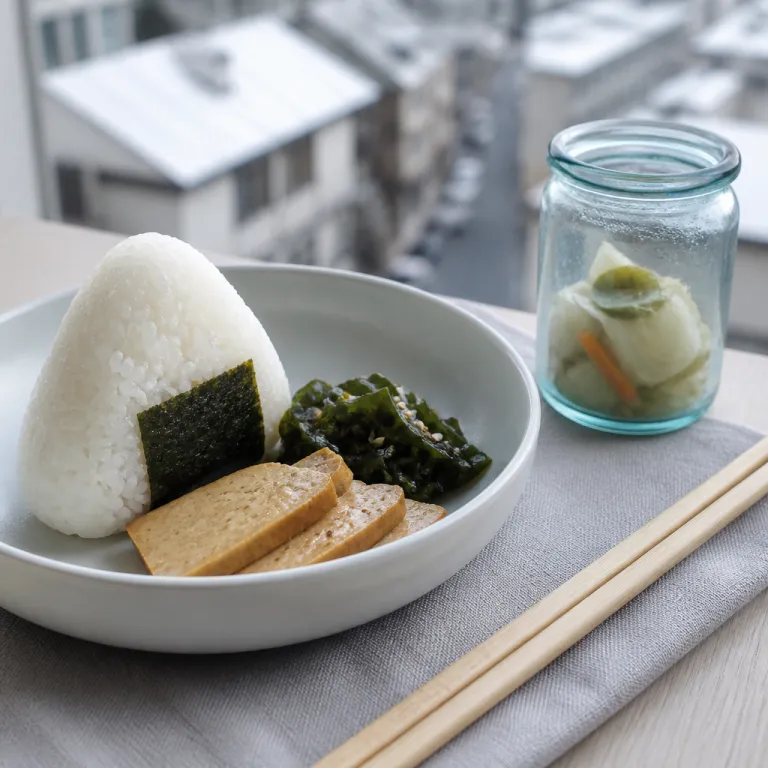
Why vegetarian restaurants in Tokyo, Japan matter when choosing your hotel
Location shapes every stay in Tokyo, and that includes your access to vegetarian restaurants in Tokyo, Japan. When you book a hotel near reliable vegan eateries and plant based cafés, you remove the daily stress of having to find suitable food in an unfamiliar city. For many travellers, especially those focused on vegan travel or strict vegetarian diets, proximity to meat free dining can be as important as the view from the room.
Tokyo now counts roughly one hundred dedicated vegetarian and vegan restaurants, according to recent tallies from specialist guides such as Japan Experience and Tokyo Vege (most figures updated between 2022 and 2024), with many more Japanese eateries adding vegan options and clearly marked vegetarian dishes to their menu. This growth means you can choose a hotel based on neighbourhood character, transport links such as a major station, and walking distance to the best vegan and vegetarian restaurants in Tokyo rather than compromising on comfort. When you understand how these meat free restaurants are distributed across districts like Shibuya, Shinjuku, Asakusa, and around Tokyo Station, you can align your accommodation with your eating style and sightseeing plans.
Travellers who enjoy late dinners should pay close attention to opening times, because some vegan restaurant owners in Japan still close earlier than mainstream venues. If you plan day trips outside Tokyo, staying near Tokyo Station or Shinjuku Station keeps you close to both trains and dependable vegan food, from vegan ramen to gluten free gyoza. Guests who prefer quieter evenings might choose a hotel in Jiyugaoka or Asakusa, where plant based restaurants offer calmer streets, traditional Japanese atmosphere, and easy access to temples, river walks, and serene shojin ryori inspired meals.
Key vegetarian and vegan restaurants around major Tokyo hubs
For travellers staying near Tokyo Station, T's Tantan is the reference point for vegan ramen and fast, reliable vegan food. This restaurant sits inside the station complex on the Keiyo Street side, about a three minute walk from the Yaesu South Exit ticket gates, so hotel guests nearby can walk from their room to a steaming bowl of soy based broth and soy meat toppings without even stepping outside. Because T's Tantan is popular with both Tokyo vegan residents and visitors, it offers a clear English menu and staff used to explaining ingredients such as soy milk, wheat, and gluten free options; typical bowls cost roughly the same as standard ramen in the area and the shop usually opens from around 7:00 or 8:00 in the morning until late evening, according to 2024 listings on major restaurant guides.
Shinjuku is another strategic area for hotels, and Ain Soph. Journey anchors the vegan restaurant scene there with refined plant based dishes and elegant desserts. Located about five minutes on foot from Shinjuku Sanchome Station Exit C5, this branch generally opens for lunch and dinner with a short break in mid afternoon, and reservations by phone are recommended for weekend evenings. Guests staying in Shinjuku hotels can plan a full day of sightseeing, then return for a leisurely dinner at this vegan friendly restaurant, pairing Japanese inspired plates with Western style comfort food. Since Ain Soph has several locations across Tokyo, including in Shibuya, choosing a hotel between these districts gives you multiple vegan options within a short train ride or even a pleasant evening walk.
In Jiyugaoka, Saido has earned a reputation for some of the best vegan Japanese dishes in the city, which makes nearby hotels attractive for longer stays. The restaurant sits a short five minute walk from Jiyugaoka Station on the Tokyu Toyoko and Oimachi lines, close to the north exit, and typically opens from late morning for lunch and again in the early evening for dinner, with last orders around 20:00 based on 2023–2024 schedules. Here you can taste creative plant based interpretations of classics such as gyoza, tempura, and rice bowls, all crafted without meat or fish yet deeply rooted in Japanese food culture. Saido is popular with both locals and visitors, so advance reservations by phone or online are often recommended for dinner because of its limited seating.
Traditional Japanese flavours made plant based for modern travellers
Many visitors worry that vegetarian restaurants in Tokyo, Japan will not reflect authentic Japanese flavours, but the opposite is now true. Chefs across Tokyo are reworking classic dishes using soy, vegetables, and grains to create plant based menus that respect tradition while remaining fully vegan friendly. This innovation is especially visible in vegan ramen shops, where rich broths rely on soy milk, miso, and carefully layered vegetables instead of meat or fish stock.
Restaurants such as Marugoto Vegan Dining Asakusa specialise in plant based Japanese and international dishes, making them ideal for mixed groups staying in nearby hotels. Located about eight minutes on foot from Asakusa Station (Tsukuba Express exit A1), this cosy spot usually opens from around 11:30 for lunch and again in the evening, closing by 21:00 on most days, according to 2024 restaurant directories. One guest can order a bowl of Japanese style curry with soy meat cutlets, while another chooses gluten free pasta or a salad based on seasonal vegetables from local farmers. A reviewer on a Japanese food blog described the set lunch here as “the first time my omnivore friend forgot there was no meat on the table at all.” Because Asakusa is a major sightseeing area, booking a hotel close to this restaurant means you can move easily between temples, river cruises, and satisfying vegan food without long detours.
Travellers interested in spiritual and historical cuisine should look for shojin ryori, the traditional Buddhist temple food that is naturally vegetarian and often fully vegan. While some shojin ryori restaurants sit in temples outside central Tokyo, a growing number of vegan restaurants in the city borrow techniques and dishes from this heritage. One Tokyo based reviewer described their first shojin style meal as “the moment I realised I could taste classic Japanese flavours without worrying about fish stock at all.” Choosing accommodation with quick rail access to these venues allows you to experience a deeper side of Japanese food culture while maintaining a consistent vegetarian or vegan diet.
Neighbourhoods that work best for vegetarian and vegan hotel guests
Shibuya appeals to many first time visitors, and it also serves vegetarian travellers well thanks to a growing cluster of vegan restaurants and cafés. Around Shibuya Station you can find everything from falafel and plant based burgers to Japanese style plates, which makes it easy to return to your hotel after a long day and still have several vegan options nearby. Falafel Brothers Harajuku, for example, offers reliable vegan food just one stop from Shibuya on the JR Yamanote Line and about a four minute walk from Harajuku Station’s Takeshita Exit, ideal for guests staying in hotels between these two fashionable districts.
Asakusa suits travellers who prefer a more traditional atmosphere, and its vegetarian restaurants in Tokyo include Marugoto Vegan Dining Asakusa with a broad plant based menu. Hotels here place you close to Sensoji Temple, river walks, and nostalgic shopping streets, while still giving access to vegan friendly restaurants that understand international guests. Because many Asakusa venues publish clear opening times and offer English menus, this area works particularly well for families and first time vegan travel planners.
For business travellers, staying near Tokyo Station or in central business districts can still align with a vegetarian lifestyle. Between T's Tantan inside Tokyo Station and several smaller vegan restaurants within a short walk, you can schedule meetings and meals without compromising on food choices. When you compare hotels, check walking distances not only to the nearest station but also to at least two restaurants in Tokyo listed as vegan friendly, so you always have a backup if one place is full or closed.
Menus, ingredients, and how to order confidently in Tokyo
Understanding the typical Japanese menu helps vegetarian and vegan guests avoid surprises, especially in a city where fish stock often appears in seemingly plant based dishes. In dedicated vegan restaurants and most vegetarian restaurants in Tokyo, Japan, staff clearly label vegan options, gluten free dishes, and allergens such as soy or wheat. Many of these restaurants across Tokyo also provide English translations, which makes it easier to find items like vegan ramen, soy meat gyoza, and dairy free ice cream.
When you dine in mixed restaurants that are not fully vegetarian, always ask whether the soup base or sauce contains meat, fish, or animal derived products. Phrases such as "no meat, no fish, no egg, no dairy" are widely understood in central Tokyo, especially around major station areas that see heavy international traffic. If you follow a strict vegan diet, choosing a hotel near at least one fully vegan restaurant gives you a safe default option when communication feels uncertain.
Many vegan friendly venues in Tokyo now highlight plant based and gluten free choices on their printed and online menus, which is valuable when planning from your hotel room. Before heading out, check opening times carefully because some vegan restaurant kitchens close between lunch and dinner, even if the café space remains open. For guests managing allergies or medical dietary needs, this preparation ensures that every meal during your Tokyo vegan stay feels both enjoyable and stress free.
Practical planning tips for seamless vegan travel in Tokyo
Successful vegan travel in Tokyo begins before you even select your hotel, because the right base can place you within walking distance of several vegetarian restaurants in Tokyo, Japan. Start by mapping vegan restaurants and vegetarian restaurants against the districts you are considering, then shortlist hotels that sit within a ten to fifteen minute walk of at least two venues. This approach reduces your reliance on late night trains and gives you flexibility if one restaurant is unexpectedly closed.
Once you have booked, note the exact addresses and opening times of your chosen vegan restaurants, including T's Tantan at Tokyo Station (JR Tokyo Station, Keiyo Street area), Ain Soph. Journey in Shinjuku (around Shinjuku Sanchome), Saido in Jiyugaoka (near Jiyugaoka Station north exit), Marugoto Vegan Dining Asakusa (close to Asakusa Station), and Falafel Brothers Harajuku (near Meiji-jingumae Station Exit 5). For example, T's Tantan is located inside JR Tokyo Station on Keiyo Street, while Falafel Brothers Harajuku sits a short walk from Meiji-jingumae Station on the Tokyo Metro Chiyoda Line. Many of these places support both dining in and takeout, which is convenient if you prefer to eat in your room after a long day of sightseeing or business meetings. Because cashless payments are now common across Japan, carrying a contactless card or mobile wallet will usually be enough for both your hotel and restaurant bills.
Travellers often ask three key questions when planning where to stay and eat in Tokyo; "Is it easy to find vegetarian food in Tokyo?", "Do these restaurants offer English menus?", and "Are reservations required?". The current answer is reassuring: "Yes, Tokyo offers numerous vegetarian-friendly restaurants.", "Many provide English menus or have English-speaking staff.", and "Some restaurants recommend reservations, especially during peak hours.". With this knowledge, you can choose a hotel that supports your plant based lifestyle, enjoy the best vegan and vegetarian dishes the city offers, and still feel free to explore every corner of Tokyo.
Key figures on vegetarian and vegan dining in Tokyo
- Tokyo currently offers around one hundred dedicated vegetarian and vegan restaurants, giving hotel guests a far wider choice than in previous decades, according to data compiled by Japan Experience, Tokyo Vege, and similar travel guides that track plant based dining and update their counts through 2024.
- The highlighted venues in this guide generally open most days of the week, with hours that typically span from late morning to late evening, but travellers should confirm current schedules on official listings or recent reviews before visiting.
- The main clusters of vegetarian restaurants in Tokyo, Japan sit around Tokyo Station, Shinjuku, Shibuya, Asakusa, and Jiyugaoka, so choosing hotels in these districts maximises walking access to plant based food.
- Most leading vegan restaurants in central Tokyo now accept cashless payments, reflecting the broader shift in Japan toward contactless transactions in both hospitality and retail.
FAQ about vegetarian restaurants in Tokyo, Japan
Is it easy to maintain a vegetarian or vegan diet in Tokyo?
Maintaining a vegetarian or vegan diet in Tokyo is now realistic, especially if you stay near central districts such as Shinjuku, Shibuya, Asakusa, or Tokyo Station. These areas host many vegan restaurants and vegetarian friendly cafés, so hotel guests can usually find suitable food within a short walk. Planning ahead by mapping restaurants near your accommodation remains essential, particularly for strict vegan travellers.
Do vegetarian restaurants in Tokyo offer English menus?
Many vegetarian restaurants in Tokyo, Japan provide English menus or have staff comfortable explaining dishes in English. This is especially true in areas with heavy tourism such as Asakusa and Shibuya, and in transport hubs like Tokyo Station. When booking a hotel, you may wish to prioritise neighbourhoods where international visitors are common, because restaurants there tend to be more language flexible.
Should I reserve tables at popular vegan restaurants?
Reservations are recommended at well known vegan restaurants such as Ain Soph. Journey and Saido, particularly for dinner or weekend lunch. Smaller venues can fill quickly, and some operate with limited seating, which affects walk in availability. Checking opening times and reservation policies from your hotel before heading out will save time and reduce the risk of disappointment.
Are gluten free options available in Tokyo’s vegetarian restaurants?
Gluten free options are increasingly common in Tokyo vegan and vegetarian restaurants, though they may still represent a smaller part of the menu. Many places clearly label dishes made without wheat, and some can adapt recipes using rice based noodles or alternative flours. Travellers with coeliac disease should still confirm preparation methods, but staying near specialist vegan friendly venues improves your chances of safe meals.
Which areas are best for hotel guests who prioritise plant based dining?
Shinjuku, Shibuya, Asakusa, and the surroundings of Tokyo Station are the most practical areas for hotel guests focused on plant based dining. Each district offers multiple vegetarian restaurants in Tokyo, Japan within walking distance, plus excellent transport links to other parts of the city. Choosing accommodation in these neighbourhoods balances culinary convenience with easy access to major sights and business centres.
References
- Japan Experience – coverage of vegetarian and vegan Japanese dishes and restaurant recommendations in Tokyo, with restaurant counts updated through 2023–2024.
- Find Tokyo Food – listings and descriptions of vegan and vegetarian dining options across Tokyo, including recent opening hour information.
- Tokyo Vege – directory of vegan friendly and vegetarian restaurants in the Tokyo metropolitan area, regularly revised with new venues and closures.