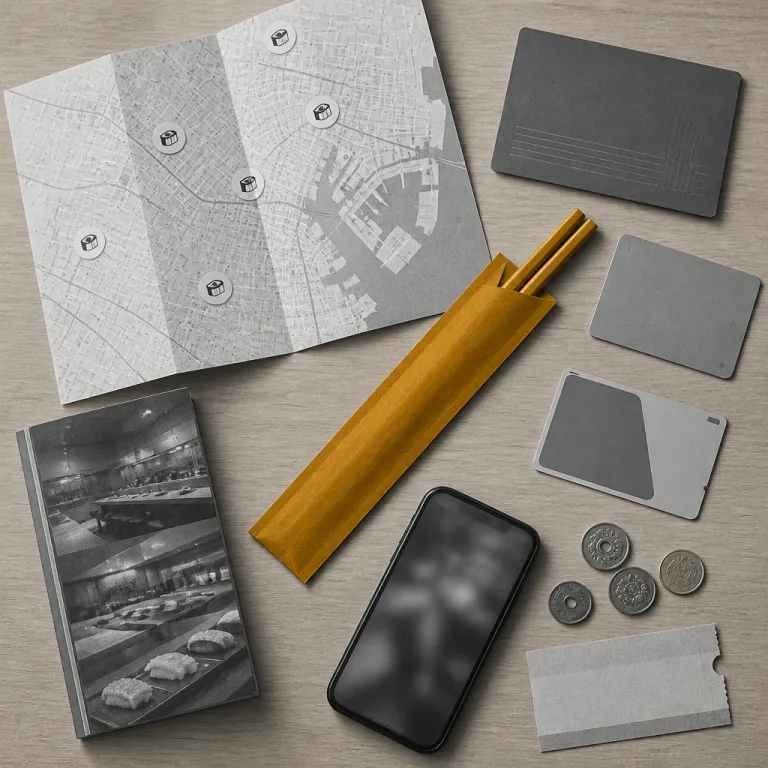
How hotel guests can navigate the best sushi restaurants in Tokyo
Tokyo rewards travellers who plan their sushi journey before booking a room. When you understand how the city’s districts shape each sushi restaurant, you can choose a hotel that places you within minutes of many of the best sushi restaurants in Tokyo. This alignment between where you sleep and where you eat quietly transforms a short stay into a memorable sushi experience.
Ginza, Marunouchi, and Minato form a golden triangle for guests who want refined hotels and immediate access to high-end sushi counters. In Ginza, luxury properties sit above or beside legendary sushi restaurants where an experienced chef shapes nigiri in front of just eight or ten seats, while in Minato you find quieter residential streets hiding intimate counters ideal after a long business day. Staying near Tokyo Station gives you fast rail links to the wider Japan network, yet still keeps you close to serious sushi at both lunch and dinner.
When you compare hotels, read the neighbourhood map as carefully as the room description. Check how far you are on foot from at least one respected sushi restaurant and one relaxed conveyor belt venue, because this mix lets you match your energy level and budget each day. A discreet call from the hotel concierge using a local phone line often secures omakase reservations required at elite counters that might ignore online requests from overseas guests.
Understanding styles of sushi in Tokyo before you book
Not every sushi restaurant in Tokyo serves the same style sushi, so your hotel choice should reflect the flavour profile you prefer. Classic Edomae sushi focuses on seasoned fish and sushi rice prepared with red vinegar, and it dominates serious counters in central districts where the chef works just a few centimetres from your plate. If you prefer a playful sushi experience with colourful rolls and side dishes, staying near large stations such as Shibuya or Shinjuku gives you easy access to modern restaurants the city is famous for.
In Ginza, many of the best sushi restaurants in Tokyo follow strict Edomae sushi traditions that date back to street stalls from years ago. Here, the chef may marinate tuna, lightly cure white fish, or gently steam shellfish, then balance each topping over a compact mound of warm sushi rice with almost ceremonial precision. Guests who base themselves in Ginza or nearby Marunouchi can walk from their hotel lobby to these counters in under ten minutes, making a late dinner sushi seating after a long flight entirely realistic.
Minato, which includes districts such as Roppongi and Azabu, blends traditional and contemporary approaches to Japanese food. You will find omakase specialists where reservations required months in advance protect a serene atmosphere, alongside relaxed conveyor belt venues that welcome walk ins for a quick lunch between meetings. When you plan your stay, decide whether you want to focus on high sushi temples of craft or a broader mix of Japanese restaurants, then let that decision guide hotel selection.
Iconic chefs and counters near luxury hotels
For many travellers, the best sushi restaurants in Tokyo are synonymous with a handful of legendary names. Sukiyabashi Jiro, Sushi Saito, and Sushi Yoshitake each represent a pinnacle of Tokyo sushi, and all sit within easy reach of high end hotels in central districts. Their presence has shaped how luxury properties design concierge services, because securing a seat at these counters can matter as much as arranging airport transfers.
These restaurants operate almost exclusively on omakase, the chef curated multi course meal that defines serious Japanese food culture. One explanation from the Japan National Tourism Organization describes it as “a chef-curated multi-course meal”, and this format allows the chef to respond to the morning’s best fish from Toyosu Market while adjusting seasoning to the humidity that affects sushi rice. When you stay in Ginza or near the Imperial Palace, your concierge can often leverage long standing relationships to place you at these sushi restaurants even when Tabelog ratings and online chatter suggest they are fully booked.
It is worth knowing that “How to book Sukiyabashi Jiro? Reservations are extremely difficult; often through hotel concierges.”, so your choice of hotel directly influences your access to such a sushi restaurant. Similar dynamics apply to other high sushi counters where only a local phone call from a trusted concierge will be answered promptly, although some now also use online booking systems or credit card concierge services. When you plan a trip centred on best sushi rather than sightseeing, prioritise hotels with proven restaurant teams who understand guide level Tokyo dining rather than simply listing nearby restaurants city wide.
Prices, portions, and what hotel guests should expect to pay
Understanding price levels for the best sushi restaurants in Tokyo helps you budget the rest of your stay. According to recent guidance from the Japan National Tourism Organization, the average cost of an omakase meal in Japan often sits around 20,000 to 30,000 JPY, and in central Tokyo sushi counters this figure can rise when the chef serves rare seasonal fish. When you add transport, sake, and service timing, it becomes clear why choosing a hotel within walking distance of your chosen restaurant is both practical and economical.
At lunch, many elite sushi restaurants offer shorter omakase menus at a more approachable price, which is ideal if you want to experience high sushi craft without committing your entire evening budget. A midday seating in Ginza or Minato might feature ten to twelve pieces of nigiri, a hand roll, and a simple dessert, all built around perfectly seasoned sushi rice and fish that arrived from the market only hours earlier. Dinner sushi at the same counter can easily double in price because the chef adds premium cuts, extended courses, and slower pacing, so hotel guests should decide whether their main splurge will be at lunch or dinner.
For a more casual sushi experience, conveyor belt venues around major stations keep price per plate clearly visible, letting you control spending while still enjoying fresh Japanese food. These restaurants are ideal on nights when you return late to your hotel and want a quick meal rather than a formal omakase. When comparing properties, read guest reviews for mentions of nearby sushi restaurants and check whether the front desk can explain price ranges in English, as this small service often signals a hotel used to hosting culinary travellers.
Etiquette, reservations, and how your hotel can help
Tokyo’s finest sushi restaurants operate with precise etiquette, and understanding it will make your meal smoother. At many counters, reservations required policies are strict, and late arrivals can mean losing your seat entirely, which is why staying close to your chosen restaurant matters. Ask your hotel to schedule a taxi with extra time, or better, choose a property within a short walk so you can arrive calm and ready to focus on the sushi experience.
Inside the restaurant, the chef expects quiet attention to the balance of rice and fish, especially at Edomae sushi counters where each piece is served individually. You should avoid adding extra soy sauce unless invited, never mix wasabi into the dish, and remember that tipping is not customary in Japan. One guideline from the Japan National Tourism Organization answers, “Is tipping customary in Japan? No, tipping is not customary in Japan.”, so expressing appreciation through polite behaviour and punctuality matters more than leaving cash.
Hotel concierges in Ginza and Minato are used to handling calls to top sushi restaurants, often in Japanese, using a local Tokyo phone number that chefs recognise. They can explain dietary restrictions, confirm whether the restaurant accepts foreign guests, and advise on dress codes, which vary from relaxed at conveyor belt venues to smart casual at most high sushi counters. When you read hotel descriptions, look for mentions of restaurant reservation support in their guide materials, because this service can be as valuable as room size for serious sushi travellers.
Planning a sushi focused stay: from breakfast to late night
Designing a hotel stay around the best sushi restaurants in Tokyo means thinking about your entire day. Many travellers now plan light breakfasts so they can fully enjoy a sushi lunch or dinner sushi without feeling rushed or overly full. Choosing a hotel with a flexible breakfast schedule or simple Japanese food options such as grilled fish and rice can help you maintain this balance.
During the day, you might explore cultural sites across Tokyo, then return to your base in Ginza or Minato for an evening omakase. Years ago, this kind of focused culinary itinerary was rare, but today many hotels curate in room guide materials that highlight not only famous attractions but also nearby sushi restaurants ranked highly on platforms such as Tabelog. When you read these guides, pay attention to how they describe style sushi at each venue, whether classic Edomae sushi or more experimental approaches that blend Japanese and international influences.
Late at night, conveyor belt restaurants near major stations remain a reliable option if you miss an early seating or arrive on a delayed flight. Some hotels keep a short list of such restaurants city wide at the front desk, complete with walking directions and approximate price ranges for quick reference. By aligning your hotel choice with your preferred sushi restaurant style, budget, and schedule, you turn a simple city break into a coherent Tokyo sushi journey that feels both efficient and indulgent.
Key figures for sushi dining in Tokyo
- Tokyo hosts around 5,000 sushi restaurants according to the Tokyo Metropolitan Government, which means discerning hotel guests can find options ranging from intimate counters to large conveyor belt venues in almost every central district.
- The average cost of an omakase meal in Japan is about 20,000 to 30,000 JPY as reported by the Japan National Tourism Organization, and prices at elite sushi counters in Ginza and Minato often exceed this figure due to premium fish and longer menus.
- Lunch omakase menus at high sushi restaurants in central Tokyo typically cost 30 to 50 percent less than dinner sushi courses, making midday seatings an efficient way for hotel guests to experience top level chefs.
- Most serious sushi restaurants in Tokyo have fewer than 15 seats, so reservations required policies are standard and travellers who rely on hotel concierges usually secure better access than those booking independently.
FAQ: best sushi restaurants in Tokyo for hotel guests
What is omakase and why is it so common in Tokyo?
Omakase is a format where you leave the menu entirely to the chef, who serves a sequence of dishes based on the best available fish and seasonal ingredients. In Tokyo sushi culture, this approach allows chefs to showcase their skills with Edomae sushi techniques while adjusting seasoning to the day’s conditions. Serious sushi restaurants in Ginza and Minato almost always operate on an omakase basis for both lunch and dinner.
How far in advance should I book a top sushi restaurant?
For the best sushi restaurants in Tokyo, you should aim to reserve several weeks ahead, and for icons such as Sukiyabashi Jiro or Sushi Saito, months are often necessary. Many of these restaurants accept bookings only through a trusted hotel concierge using a local Tokyo phone number or, in some cases, a verified online reservation system. When choosing accommodation, prioritise properties known for strong restaurant teams who can navigate reservations required policies at elite counters.
Is lunch or dinner better for a first high sushi experience?
Lunch omakase at a serious sushi restaurant usually offers excellent value, slightly shorter menus, and a more relaxed atmosphere, which suits first time visitors. Dinner sushi tends to be longer, more elaborate, and more expensive, with rare fish and extended courses that appeal to seasoned diners. If you are staying near Ginza or Minato, consider booking lunch at a top counter and saving dinner for a more casual conveyor belt venue.
Do I need to tip at sushi restaurants in Japan?
Tipping is not part of Japanese food culture, even at the best sushi restaurants in Tokyo. Service is included in the price, and staff may feel uncomfortable if you try to leave cash on the counter. The most respectful way to show appreciation is to arrive on time, follow local etiquette, and thank the chef and team sincerely when you leave.
Which neighbourhoods are best for hotel guests focused on sushi?
Ginza is ideal if you want immediate access to legendary counters and refined shopping streets, while Minato offers a blend of high sushi temples and more relaxed restaurants near embassies and offices. Staying near Tokyo Station gives you quick links across the city and to other parts of Japan, yet still keeps you close to serious sushi options. When you read hotel descriptions, look for mentions of nearby sushi restaurants and concierge support in their guide materials to ensure a smooth culinary stay.
References
- Tokyo Metropolitan Government – data on the number of sushi restaurants in Tokyo.
- Japan National Tourism Organization – information on average omakase pricing, tipping customs, and dining trends.
- Tabelog – user generated rankings and reviews for sushi restaurants across Tokyo.