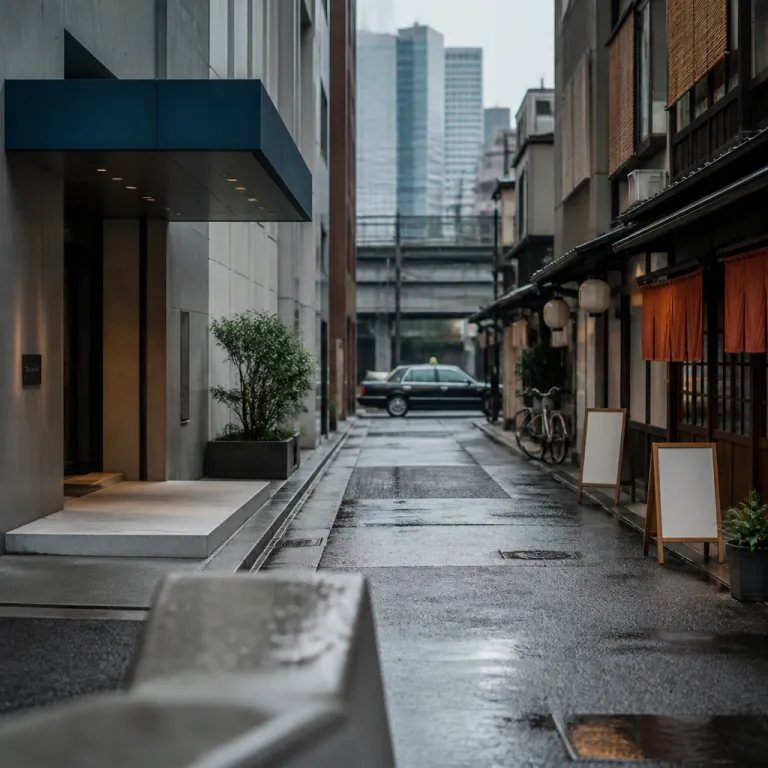
How this refined Tokyo food guide for tourists serves hotel guests
Tokyo is a city where food shapes every stay, especially for travellers choosing a central hotel. In this refined Tokyo food guide for tourists, the focus is on how dining choices connect with neighbourhoods, transport hubs, and the daily rhythm of Tokyo so that guests enjoy both comfort and culinary depth. Think of it as a bridge between your hotel lobby and the most rewarding restaurants, cafés, and markets scattered across central districts.
The Tokyo Tourism Board acts as an organiser of official recommendations, and its team works closely with local restaurants and tour operators to curate reliable dining information for visitors to Tokyo, Japan. This guide draws on that structured knowledge and on the experience of local chefs to highlight where to find standout ramen, sushi, tempura, and natural wine within easy reach of major hotel districts, from Chiyoda City to Shibuya City. Whether you stay at a landmark such as The Okura Tokyo or a small independent property tucked into Tokyo side streets, the aim is to help guests navigate menus, reservations, and etiquette with confidence.
Methods such as self-guided walks, guided food tours, and cooking classes all fit naturally into a hotel-based itinerary in Tokyo. With online maps, food apps, and interactive digital guides, you can plan restaurant visits around meetings, sightseeing, or a late check-in at your chosen Tokyo hotel address. Throughout this Tokyo food guide for tourists, every recommendation is anchored in real areas and real restaurants so that you can move from room key to restaurant table with minimal effort and maximum pleasure.
Choosing the right hotel area for memorable dining
Where you sleep in Tokyo, Japan will strongly influence how and where you eat. For a first stay, I highly recommend selecting a hotel in an area that balances easy transport with a dense cluster of restaurants, cafés, and bars so that guests enjoy short walks rather than long commutes after dinner. In a city as large as Tokyo, shaving ten minutes off each journey can mean an extra course of sushi or a final glass at a wine bar.
Chiyoda City is ideal if you want to be close to Tokyo Station, the Imperial Palace, and a wide range of dining spots that cater to both business travellers and leisure guests. Around the Marunouchi and Otemachi districts, many Michelin-starred and fine-dining addresses sit inside office towers or luxury hotel complexes, offering refined Japanese cuisine alongside international menus. For example, guests at Palace Hotel Tokyo can walk directly to Wadakura for kaiseki-style courses, while those staying near Tokyo Station often head to Ramen Street in the underground mall for quick bowls between meetings. Staying here also makes it easy to reach traditional neighbourhoods like Nihonbashi, where small counter-style restaurants serve tempura and ramen to office workers and visitors alike.
Shibuya City suits travellers who prefer a more youthful, late-night atmosphere in Tokyo, Japan. In areas such as Shibuya, Daikanyama, and Ebisu, you will find some of the best places for casual izakaya-style dining, natural wine bars, and third-wave coffee shops, all located along Tokyo side streets that feel intimate despite the city’s scale. Guests at hotels near Shibuya Station often end up at Uobei for fun conveyor-belt sushi or at Umegaoka Sushino Midori in Shibuya Mark City, while those based in Ebisu might stroll to Afuri for yuzu-scented ramen after a day of sightseeing. When comparing hotel options, look at walking distances in metres to ramen shops, sushi counters, and coffee spots, not only at room size, because in Tokyo the neighbourhood menu can matter as much as the mattress.
From breakfast coffee to late ramen: structuring your food day
Hotel guests often underestimate how structured the dining day is in Tokyo, Japan. Official guidance from the tourism authorities suggests typical windows of 7 to 9 for breakfast, 12 to 14 for lunch, and 18 to 21 for dinner, and this Tokyo food guide for tourists follows that rhythm to help you plan. Aligning your sightseeing with these slots means you can secure tables at sought-after restaurants while still returning comfortably to your hotel.
Start with coffee and a small breakfast either in your Tokyo hotel restaurant or at a nearby speciality café, many of which open early in business districts like Chiyoda City. In central Tokyo, third-wave coffee bars often share space with bakeries or tiny eateries, so you might pair a single-origin pour-over with a Japanese-style egg sandwich before walking to Tokyo Station or your first museum. One guest staying near Otemachi described a favourite routine: “I grabbed a cappuccino and melon pan at the lobby café, then followed the concierge’s map to a quiet soba shop for lunch, all within ten minutes on foot.” Guests enjoy this slower start, and it also leaves room for a more substantial lunch of ramen, sushi, or tempura later in the day.
Lunch is the moment when many Michelin-starred and fine-dining venues in Tokyo, Japan offer accessible set menus, sometimes at a fraction of their evening price. I highly recommend asking your hotel concierge to secure reservations at least a few days in advance, especially for restaurants with multiple Michelin stars that are located in Tokyo’s central wards. A concierge might say, “Shall I book you the weekday lunch at a nearby sushi counter, or would you prefer a tempura omakase within five minutes of the hotel?” After a lighter afternoon of street food tasting or a visit to a wine bar for natural wine and snacks, you can finish with late-night ramen near your hotel, a ritual that anchors many stays in Tokyo, Japan.
Essential dishes and where to eat them near major hotels
Any serious Tokyo food guide for tourists must start with ramen, sushi, and tempura, because these dishes define how visitors remember the city. Around Tokyo Station and in adjacent Chiyoda City blocks, underground malls and station complexes hide some of the best ramen shops, many with only a small counter and a ticket-machine menu. Popular options such as Rokurinsha on Tokyo Ramen Street draw queues for rich tsukemen, while Ichiran branches near Shinjuku and Shibuya stations let solo travellers customise every bowl. Staying in a nearby Tokyo hotel lets guests enjoy these bowls piping hot without worrying about long late-night journeys back across the city.
Sushi in Tokyo ranges from standing bars to Michelin-starred counters where a single chef serves just a handful of guests per sitting. In areas such as Ginza, Akasaka, and Toranomon, several of these restaurants sit inside or next to major hotels, including The Okura Tokyo, which is located in the city’s central business district and surrounded by high-level Japanese cuisine. Hotel guests in Ginza often reserve at Kyubey for classic nigiri, while those near Akasaka might try a compact omakase counter tucked into a side street behind their accommodation. I highly recommend booking well ahead, as many of these top restaurants operate with strict reservation systems and limited seats, especially at dinner.
Tempura is another pillar of traditional Japanese dining, and in Tokyo, Japan you will find dedicated tempura restaurants that treat the craft with almost ceremonial care. Look for addresses that specify a fixed course menu, often called omakase, where the chef decides the sequence of seafood and seasonal vegetables fried to order for each table of guests. In Nihonbashi, for example, long-established tempura counters sit within a short taxi ride of many Chiyoda City hotels, while travellers staying in Shibuya City or near a chome side street in Minato can ask for recommendations to nearby spots that specialise in seasonal produce. Whether you are staying in Shibuya City, Chiyoda City, or near a chome side street in Minato, your hotel concierge can usually point you to a nearby restaurant where guests enjoy tempura that rivals the most famous counters in the city.
Understanding neighbourhoods: from chome addresses to wine bars
First-time visitors reading a Tokyo food guide for tourists are often puzzled by the address system, especially the use of chome numbers. In Tokyo, Japan, a chome refers to a numbered sub-district within a larger area, and many restaurants list only the chome and block, which can confuse guests leaving their hotel for dinner. Before you set out, I highly recommend asking your Tokyo hotel front desk to mark the exact location on an online map so that you can navigate city streets with confidence.
Some of the most characterful dining spots hide in small backstreets, particularly in Shibuya City, Shinjuku, and Nakameguro, where low-rise buildings mix with residential blocks. Here you will find intimate wine bars pouring natural wine, along with coffee shops that transform into casual food spots at night, often with a short handwritten menu. Guests enjoy the contrast between the polished lobbies of central hotels and these relaxed neighbourhood rooms, which reveal a more personal side of Tokyo, Japan.
In business-focused districts such as Chiyoda City and Minato, many fine-dining and Michelin-starred restaurants occupy upper floors of towers along Tokyo’s main avenues. These venues often pair Japanese cuisine with extensive wine lists, and some hold multiple Michelin stars, making them ideal for a special night during your stay in Tokyo, Japan. Whether you choose a formal restaurant or a tiny bar in a quiet chome, the key is to let the neighbourhood shape your evening rather than treating the city as a single uniform backdrop.
Etiquette, reservations, and how hotels can elevate your meals
Good manners at the table matter as much as the food itself in Tokyo, Japan. The Tokyo Tourism Board summarises local practice clearly with three core points that every Tokyo food guide for tourists should repeat: "Reserve popular restaurants in advance.", "Carry cash; some places don't accept cards.", "Learn basic Japanese dining phrases." These simple habits help guests enjoy smoother interactions with staff and avoid awkward situations when paying or ordering.
Reservations are essential for many of the best restaurants, especially those with Michelin stars or a reputation for refined Japanese cuisine. I highly recommend using your Tokyo hotel concierge to call ahead, since some Michelin-starred counters in central Tokyo accept bookings only by phone and may not speak much English. Your hotel can also advise on cancellation policies, dress codes, and whether a restaurant expects guests to choose a fixed menu or order à la carte.
When it comes to payment and tipping, remember that tipping is not customary in Japan, and leaving cash on the table can even cause confusion in Tokyo restaurants. Instead, focus on a polite thank you, a small bow, and perhaps a brief compliment to the chef if you are seated at a counter where the restaurant team can hear you. By combining this cultural awareness with the logistical support of your hotel, you transform each meal in Tokyo, Japan from a simple act of dining into a respectful exchange that deepens your connection with the city.
Key figures that shape the dining landscape for hotel guests
- Tokyo hosts around 200 Michelin-starred restaurants according to recent editions of the Michelin Guide, giving the city one of the highest concentrations of Michelin stars anywhere in the world.
- The Tokyo Tourism Board estimates that the average cost of a standard meal in casual restaurants is about 1,000 JPY, which helps guests budget daily food expenses alongside their Tokyo hotel room rate.
- Breakfast, lunch, and dinner in Tokyo, Japan typically cluster around 7 to 9, 12 to 14, and 18 to 21, so planning restaurant reservations within these windows reduces waiting times for tourists staying in central areas.
- Partnerships between the Tokyo Tourism Board, local restaurants, tour operators, and culinary schools support interactive digital guides, which increasingly help hotel guests locate eateries and wine bar options near their accommodation.
FAQ: practical questions for hotel guests exploring Tokyo food
Is tipping expected in Tokyo restaurants and hotels ?
Tipping is not customary in Japan, so you do not need to add a percentage to your bill in Tokyo restaurants or at your hotel. Service charges, when applied, are usually included in the final amount, and staff in Tokyo are paid with this system in mind. A sincere thank you and polite behaviour are more appropriate than cash left on the table.
Do I really need reservations for popular dining restaurants ?
For many of the best restaurants, especially Michelin-starred venues and intimate sushi counters, reservations are strongly recommended. Some places in Tokyo, Japan accept walk-ins at lunch but fill every evening seat days or weeks ahead, particularly near major stations and business districts. Using your Tokyo hotel concierge to secure bookings will greatly increase your chances of enjoying these experiences.
Is street food safe to eat for tourists staying in the city ?
Street food in Tokyo, Japan is generally considered safe, with strict hygiene standards and regular inspections across the city. Areas around temples, festivals, and some markets offer snacks such as grilled seafood, sweets, and savoury pancakes that guests enjoy between restaurant meals. As always, choose stalls with steady queues and freshly cooked items to ensure the best experience.
How can I find restaurants close to my hotel without speaking Japanese ?
Most hotels in Tokyo, Japan provide maps, digital guides, or QR codes that highlight nearby restaurants, coffee shops, and wine bar options. Staff at the front desk can mark routes in metres, write the restaurant name and chome address in Japanese, and even call ahead to confirm opening hours. Combining this support with translation apps makes navigating Tokyo’s food scene manageable even for first-time visitors.
Are vegetarian or special diet options easy to find near central hotels ?
Vegetarian and special diet options have expanded significantly in Tokyo, Japan, especially around major hubs like Tokyo Station, Shinjuku, and Shibuya City. Many restaurants now label dishes clearly and some specialise in plant-based Japanese cuisine, though it is still wise to ask your Tokyo hotel concierge for specific recommendations. Carrying a short written explanation of your needs in Japanese can further smooth communication with restaurant staff.