Is Tokyo safe for solo travelers who are booking a hotel ?
Tokyo is widely regarded as one of the safest major cities in Japan for solo travelers booking a hotel. When people ask is tokyo safe for solo travelers, both official crime statistics and everyday experience point to a reassuring yes in most situations. According to data summarized by the Japan National Tourism Organization from Tokyo Metropolitan Police statistics for recent years, the overall violent crime rate is extremely low compared with many other global capitals and large metropolitan areas.
For anyone planning solo travel or a longer solo trip, this safety record matters when choosing where to sleep and how to move around at night. Surveys of travelers visiting Japan consistently highlight that they feel comfortable walking through central districts of Tokyo alone, even after a long day of sightseeing, shopping, and late dinners. Lost property is often returned, with a high wallet return rate reported in police and tourism materials, which reflects deep rooted Japanese culture around honesty, civic responsibility, and respect for others belongings.
That said, traveling Japan is never entirely risk free, and you should still apply the same common sense you would use in other countries. The Tokyo Metropolitan Police Department maintains a strong visible presence in the city, and its officers are used to assisting international travelers who visit Japan for the first time. Before you travel Japan, save the website of the Tokyo Metropolitan Police Department and the Tokyo Tourism Board, because both provide English language guidance, emergency contacts, and practical advice that will help you if something goes wrong during your stay.
Choosing the right area in Tokyo for a safe solo stay
Where you stay in Tokyo will shape how safe and relaxed your solo travel feels each day. For first time travelers, central districts such as Shinjuku, Shibuya, Ginza, Marunouchi, and Tokyo Station offer excellent public transport connections, strong lighting at night, and a constant flow of people. These areas are ideal for a solo female traveler or anyone on a solo trip who wants to return to the hotel late after dinner without worrying about empty streets or long, isolated walks.
When comparing cities inside Japan, Tokyo and Osaka both feel busy, but the capital generally has more visible security staff in stations, department stores, and hotels. If you plan several days Tokyo before moving on to other major cities, consider staying near a large station such as Shinjuku or Ueno, because this reduces the time you spend walking alone on side streets and makes late night transfers easier. Solo travelers who are sensitive to noise may prefer residential style areas like Meguro or Kichijoji, which still offer quick access to the city center by train while feeling calmer after dark.
There are a few nightlife districts where you should stay alert, especially if you are traveling Japan alone and returning late. Local authorities advise that you exercise caution in Roppongi and Kabukicho at night, and you should avoid following street touts who invite you into bars or clubs with vague promises of discounts. Many solo japan visitors choose hotels just outside these zones, so they can enjoy the energy of the city by day while sleeping in quieter streets at night and avoiding pressure from aggressive bar staff.
Hotel types, capsule hotels, and what solo travelers should know
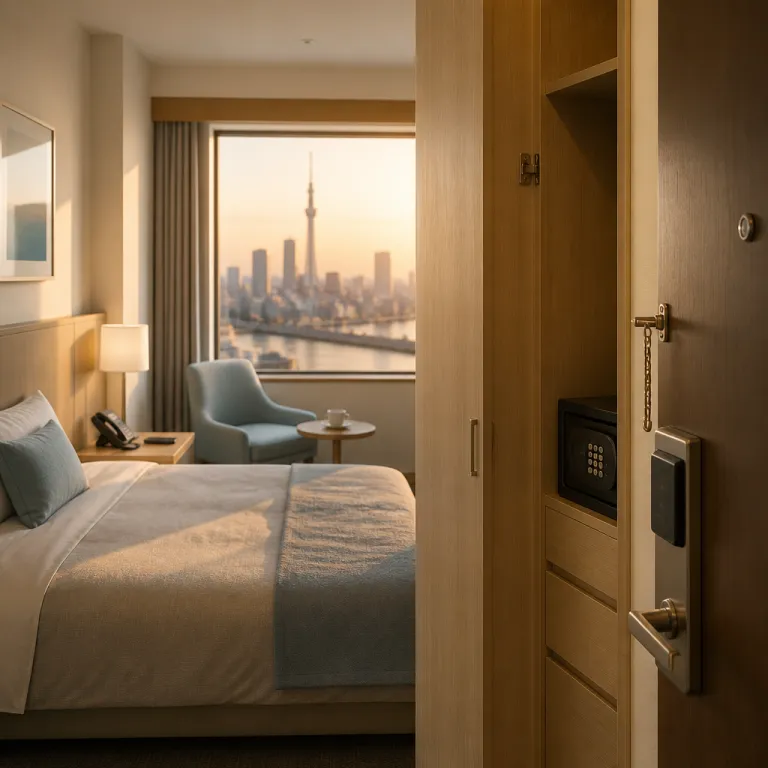
Tokyo offers a wide range of hotel styles for solo travelers, from full service international chains to compact capsule hotels that appeal to budget conscious guests. For a solo female traveler, women only floors or entire women only capsule hotels can feel especially reassuring, because access is restricted and security cameras monitor shared corridors and entrances. When you plan a solo trip, check whether the property has a staffed reception desk twenty four hours a day and whether room doors have modern electronic locks or deadbolts.
Capsule hotels in Tokyo have evolved far beyond their original image of basic pods for salarymen who missed the last train home. Many now provide individual lockers, separate bathing areas for men and women, and quiet zones where solo travelers can work or read during their days Tokyo. If you are traveling Japan on a tight budget in usd, capsule hotels can free up money for experiences such as guided walks through temples shrines, food tours in local neighborhoods, or a rail ticket to Osaka for a side trip.
Traditional business hotels remain a popular choice for japan solo visitors who want a private bathroom and a slightly larger bed. These properties are usually located close to public transport, which reduces the time you spend walking alone late at night after exploring the city or returning from day trips. When comparing options for your trip japan, read recent guest reviews that mention safety, noise levels, and staff helpfulness, because these details matter more than room size or decor when you are alone.
Moving around safely by public transport and on foot
Tokyo public transport is one of the safest and most efficient systems in any country, which is a major advantage for solo travelers. Trains and subways run on time, stations are well lit, and staff are present from early morning until late at night to assist passengers who are traveling Japan for the first time. Many lines offer women only cars during rush hour, and the official guidance states : "Use women-only train cars during rush hour" if you prefer extra personal space or feel uncomfortable in mixed carriages.
During peak rush hour, platforms and trains become extremely crowded, which can feel overwhelming if you are on a solo trip and not used to major cities. To reduce stress, plan your days Tokyo so that you avoid the busiest times between about 7 : 30 and 9 : 30 in the morning and 17 : 30 to 19 : 30 in the evening whenever possible. Walking is generally safe in central districts, but you should still keep your bag closed, avoid dark alleys, and stay aware of bicycles that share narrow sidewalks in some parts of the city.
Nighttime travel in Tokyo remains relatively safe compared with many other cities around the world. Local data and traveler surveys confirm that public transportation is safe and reliable at night, which is reassuring if you plan to visit temples shrines for evening illuminations or enjoy late dinners and drinks. As you travel japan, use navigation apps to plan the quickest route back to your hotel, and do not hesitate to ask station staff for help if you feel uncertain about which exit to take or which platform to use.
Solo female and japan solo travelers : practical safety strategies
For solo female travelers, the question is tokyo safe for solo travelers often carries extra emotional weight, especially when booking a hotel in a foreign language. Tokyo is widely regarded as very safe for solo female travelers, and many women report feeling more comfortable walking alone at night here than in their own home cities or other international destinations. Even so, you should combine the city safety advantages with personal strategies that keep your solo travel experience smooth, confident, and as stress free as possible.
Choose accommodation on well lit streets close to public transport, because this reduces the time you spend walking alone after dark. When you travel Japan, consider hotels that offer women only floors, secure key card access to elevators, and a staffed front desk that can call a taxi if you return late from a day trip or evening event. Avoid accepting drinks from strangers, decline invitations from touts in nightlife districts such as Roppongi, and trust your instincts if a bar or club feels uncomfortable or overly pushy.
Japan will not eliminate every possible risk, but it does provide a social environment where harassment is relatively rare in public spaces. Many solo japan visitors appreciate the cultural norm of minding ones own business, which means you are unlikely to be approached aggressively on the street or in stations. If you ever feel unsafe during your trip japan, step into a convenience store, hotel lobby, or station kiosk, because staff are accustomed to helping travelers and can contact the police or direct you to the nearest police box if needed.
Planning your solo trip budget, travel insurance, and seasonal timing
Safety for solo travelers in Tokyo is not only about crime, it also involves financial protection, health, and timing your visit. Before traveling japan, purchase comprehensive travel insurance with a clear policy that covers medical care, trip interruption, and theft, because even in a safe city accidents, illnesses, and lost items can occur. Read the policy carefully so you understand what the travel insurance will reimburse in usd if you need hospital treatment, emergency evacuation, or must cut your solo trip short.
Tokyo can be more expensive than some other cities in Japan, so plan your budget for several days Tokyo with realistic daily spending. A mid range hotel room for one person often costs from around 100 to 200 usd per night, depending on the area, hotel brand, and blossom season demand. During cherry blossom season, when parks such as Ueno and Shinjuku Gyoen fill with visitors, hotel prices across the city and other major cities like Osaka tend to rise, so booking early gives solo travelers more choice in safer, central neighborhoods.
Think about how many days you will spend in each city of your trip japan, and whether you prefer to base yourself in Tokyo or split time with Osaka or Kyoto. If you visit japan mainly for cherry blossom, remember that blossom season timing varies slightly between cities, which may influence where you sleep on specific days and how you structure day trips. Whatever the month, keep copies of your passport, travel insurance documents, and hotel confirmations in both digital and paper form, so that losing one set does not disrupt your solo travel plans.
Key safety figures and practical data for solo travelers
- Tokyo Metropolitan Police statistics, summarized by the Japan National Tourism Organization in recent safety reports, show that serious violent crime remains rare compared with many Western capitals and support the view that the city is safe for solo travelers.
- Police and tourism agency materials regularly highlight that a high proportion of lost wallets and other valuables are returned in Tokyo, reflecting strong Japanese culture norms around honesty and lost property.
- Central districts such as Shinjuku, Shibuya, and Tokyo Station area host thousands of hotel rooms within a short walk of major public transport hubs, which reduces walking time at night for solo travelers.
- Women only train cars operate during morning and evening rush hour on several Tokyo railway and subway lines, offering an additional safety and comfort option for solo female passengers.
- Real time safety and navigation apps are increasingly used by travelers in Tokyo, allowing solo visitors to check routes, find police boxes, and share their location with friends or family while traveling japan.
FAQ : safety in Tokyo for solo travelers booking hotels
Is Tokyo safe for solo female travelers staying in central hotels ?
Yes, Tokyo is considered very safe for solo female travelers, especially in central districts close to public transport and major stations. Choosing hotels with women only floors, secure key card access, and a staffed reception further enhances safety and peace of mind. Many solo female guests report feeling comfortable walking back to their hotel at night in busy areas such as Shinjuku, Shibuya, and Ginza.
Are there areas in Tokyo that solo travelers should avoid at night ?
Most of Tokyo is safe, but you should exercise extra caution in nightlife districts such as Roppongi and Kabukicho after dark. Avoid following street touts who invite you into bars or clubs, and choose main streets rather than small alleys when returning to your hotel. Many solo travelers prefer to stay in nearby but quieter neighborhoods, then visit these areas briefly rather than sleeping in the middle of them.
Is public transportation safe at night for solo travelers in Tokyo ?
Public transportation in Tokyo is safe and reliable at night, with well lit stations and regular services on most lines until around midnight. Staff are present in major stations to assist travelers, and security cameras monitor platforms and ticket gates. Solo travelers should still keep valuables secure and plan their last train in advance to avoid rushing through unfamiliar stations or needing an expensive taxi.
Do I need travel insurance for a solo trip to Tokyo ?
Travel insurance is strongly recommended for any solo trip to Tokyo, even though the city itself is very safe. A good policy will cover medical expenses, lost luggage, and trip interruptions, which protects you from unexpected costs in usd. Carry both digital and printed copies of your travel insurance documents, and know how to contact the insurer quickly if you need help.
How many days should I spend in Tokyo on a solo trip ?
Many solo travelers find that four to six days Tokyo offers a good balance between city highlights and relaxed exploration. This duration allows time for key districts, a few temples shrines, and perhaps a day trip without feeling rushed or overwhelmed. If you plan to visit japan during cherry blossom season or combine Tokyo with Osaka and other cities, you may want extra days to account for travel time and crowds.
References
- Tokyo Metropolitan Police Department
- Tokyo Tourism Board
- Japan National Tourism Organization