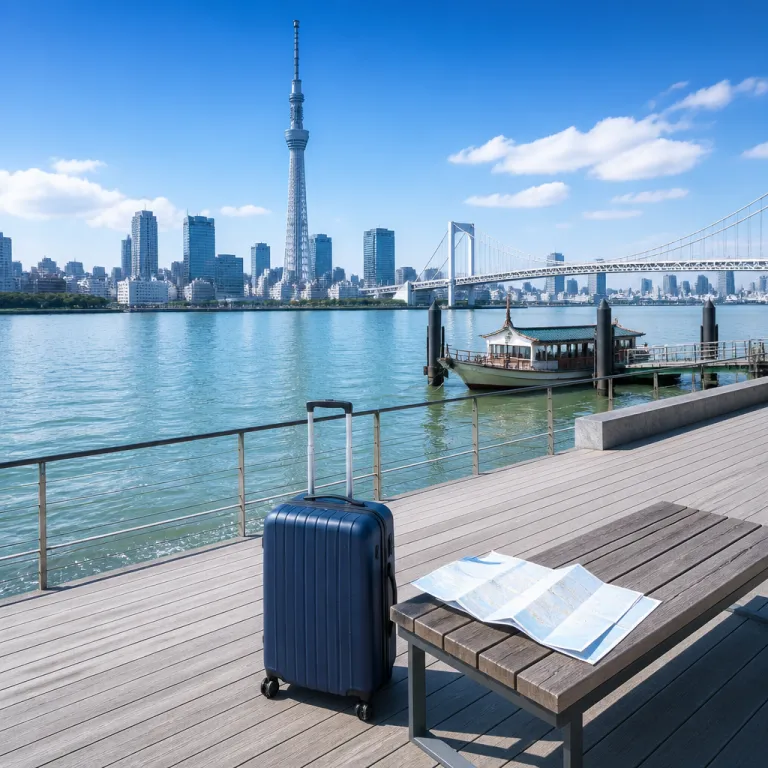
Planning your stay in Tokyo around the city’s essential experiences
When you plan your stay in Tokyo, start by mapping the city around your hotel. This helps you prioritise the best things to do in Tokyo that match your time, budget, and style of travel. With clear English signage, colour coded lines, and efficient trains at almost every major station, moving around the capital becomes surprisingly smooth even on a first trip.
The Tokyo Metropolitan Government and the Japan National Tourism Organization coordinate to make the city welcoming, so you benefit from tourist maps, mobile apps, and audio guides that simplify every day. Their shared goals are to promote cultural understanding, support the local economy through tourism, and provide memorable experiences for visitors across Japan. This means that whether you stay in Shinjuku, Shibuya, or near Tokyo Station, you can reach most key attractions the city offers within 30 to 45 minutes.
For someone choosing a hotel, the best strategy is to decide which experiences matter most before you book. If nightlife, Japanese food, and neon energy define your ideal trip to Tokyo, then Shibuya or Shinjuku will feel like the best places to base yourself. If you prefer quieter streets, easy access to a large park, and refined art museums, consider staying near Ueno Park or around the Imperial Palace area.
Shibuya and Shinjuku: where city energy shapes your Tokyo time
Shibuya is the Tokyo city district where many visitors feel the modern pulse first. The famous Shibuya Crossing, with crowds streaming in every direction, is one of the best things to see on your first evening in Japan. From many hotels near Shibuya Station (Hachiko Exit), you can walk to Shibuya Sky, which offers sweeping views that help you understand how vast visiting Tokyo can feel.
Plan at least one day and one late night in Shibuya to balance sightseeing with relaxed Japanese food experiences. You might start with a calm coffee in a side street, then check small izakaya pubs, ramen counters, and yakitori bars that line the alleys behind the station. These compact venues turn a simple meal into a memorable experience, and they are some of the most atmospheric things to do in Tokyo for travellers who enjoy people watching.
Shinjuku, another major city hub, offers a different style of energy and some of the best transport connections for any Tokyo itinerary. The area around Shinjuku Station is ideal if you plan a day trip to Mount Fuji or other regions of Japan, because many highway buses and trains depart from here. In the evening, you can explore Omoide Yokocho and Golden Gai, where tiny bars and eateries condense Tokyo time into intimate, unforgettable nights.
Cultural highlights and art experiences near central hotels
Many travellers choose a central stay in Tokyo to be close to the city’s cultural heart. Around the Imperial Palace, you will find landscaped gardens, historic gates, and calm walking paths that contrast beautifully with nearby skyscrapers. This area is also convenient for accessing Tokyo Metropolitan Government offices in Shinjuku and major business districts, which can matter if your travel mixes work and leisure.
Art lovers should check how close their hotel is to key museums and digital installations before they book. The immersive exhibitions at teamLab Borderless and teamLab Planets, which usually operate from morning until late evening with timed entry, have become some of the best things to do in Tokyo for visitors who enjoy interactive art, light, and sound. Because time slots can sell out, it is wise to reserve tickets in advance through the official booking pages and plan your day around these experiences, especially if you are staying only a few days in the city.
Families and animation fans often place the Ghibli Museum high on their list of things Tokyo offers beyond shopping and nightlife. Tickets must be purchased ahead of time through authorised vendors or the official online reservation system, so align your booking window with your hotel location and your wider Tokyo schedule. When you combine a morning at the Ghibli Museum with an afternoon in a nearby park or neighbourhood, you create a balanced day that feels both relaxed and culturally rich.
Iconic viewpoints, towers, and free city panoramas
Skyline views are among the most memorable things to do in Tokyo, especially if it is your first visit. Tokyo Tower and Tokyo Skytree both offer sweeping panoramas, yet each suits a different style of travel and photography. Tokyo Tower feels nostalgic and central, while Tokyo Skytree rises higher and anchors a modern entertainment complex with shopping and food.
When you plan your stay in Tokyo, consider how easily you can reach these towers from your chosen station. Hotels along the JR Yamanote Line or near Asakusa and Oshiage make it simple to visit Tokyo Skytree during the day and then continue to other parts of the city. For many guests, combining a tower visit with a river cruise or a walk through a nearby park turns a simple outing into one of the best things in their entire trip.
For a free city view, the Tokyo Metropolitan Government Building in Shinjuku offers observatories that cost nothing and still deliver impressive panoramas. Are there any free attractions in Tokyo? Yes, many parks and temples offer free entry. If the weather is clear, you may even glimpse Mount Fuji in the distance, which adds a dramatic highlight to your Tokyo time without affecting your budget.
Day trips, themed attractions, and planning around your hotel base
Once you have covered the central things to do in Tokyo, consider a carefully timed day trip. Popular choices include organised excursions towards Mount Fuji, visits to nearby coastal towns, or journeys to historical cities that show another side of Japan. Choosing a hotel near a major station such as Tokyo Station or Shinjuku Station makes these day trips smoother and reduces early morning stress.
Themed attractions also shape many visiting Tokyo itineraries, especially for families and fans of global franchises. Experiences inspired by Harry Potter, large aquariums, and character cafés can be found across the city, so check how long it takes to reach them from your chosen base. When you align your hotel location with these interests, you spend less time commuting and more time enjoying the things Tokyo does best, from entertainment to immersive storytelling.
Public transportation in Tokyo is tourist friendly, with English signage and efficient services that support both short and long stays. Purchase a prepaid IC card for transportation to move easily between your hotel, cultural sites, and dining areas. Visit popular sites early to avoid crowds, and remember that walking tours, guided tours, and even augmented reality experiences now help you interpret what you see during each day trip.
Food, parks, and free moments that complete your Tokyo experience
Between major sights, some of the best things to do in Tokyo involve slowing down. A quiet hour in a city park, a simple bowl of noodles near your station, or a stroll through a residential street can reveal everyday Japanese life. These unscripted moments often become the experience you remember most when your Tokyo trip is over.
Food is central to visiting Tokyo, so plan your hotel around the dining scenes you want to explore. Areas like Shibuya, Shinjuku, and Ginza offer dense clusters of restaurants, while neighbourhoods near Ueno Park or Asakusa mix traditional Japanese food with casual cafés. Whether you seek Michelin level tasting menus or standing sushi counters, you will find that the best places are often a short train ride away, so factor this into your Tokyo stay planning.
Free experiences help balance your budget and extend your Tokyo time without extra cost. You can visit temple grounds, wander through public gardens, and enjoy seasonal events organised by the Tokyo Metropolitan Government throughout the year. What is the best time to visit Tokyo? Spring from March to May and autumn from September to November offer pleasant weather for both outdoor walks and cultural visits.
Key figures that shape tourism experiences in Tokyo
- The Tokyo Metropolitan Government reported around 15 million international visitors to Tokyo in 2019, a scale that explains why popular things to do in Tokyo can feel busy at peak times.1
- The Japan National Tourism Organization lists well over 100 recognised cultural sites and attractions across the city, which means you can plan several days of visiting Tokyo without repeating the same type of experience.2
- Rising demand for eco friendly tours and digital guides reflects a broader travel trend, so many walking tours and local operators now integrate mobile apps and audio guides into their city experiences.
- Integration of augmented reality in guided tours is an emerging innovation in Tokyo, helping visitors interpret historical layers while they stand in front of modern buildings.
1 Based on pre‑pandemic tourism statistics for 2019 published by the Tokyo Metropolitan Government on its official tourism data portal.
2 Approximate count derived from Japan National Tourism Organization listings for Tokyo cultural attractions on its official travel information site.
FAQ: practical questions about things to do in Tokyo
What is the best time to visit Tokyo for sightseeing?
Spring from March to May and autumn from September to November offer mild temperatures and relatively low humidity, which makes walking between city sights, parks, and stations far more comfortable. These seasons are ideal for combining cultural visits with outdoor activities such as garden strolls and riverfront walks. If you plan to stay in Tokyo during these periods, book your hotel early because demand is high.
Are there many free things to do in Tokyo near central hotels?
Yes, you will find a wide range of free experiences close to major hotel districts. Temple grounds, public parks, and some observation spaces such as the Tokyo Metropolitan Government Building observatories do not charge admission. This allows you to balance paid attractions like Tokyo Tower or teamLab Planets with cost free moments that still feel special.
Is public transportation convenient for a first trip to Tokyo?
Public transportation in Tokyo is tourist friendly, with English signage, colour coded lines, and frequent services that connect most city districts. Purchasing a prepaid IC card simplifies transfers between trains, subways, and buses, so you can focus on the experience rather than ticket machines.
How many days should I plan for visiting Tokyo’s main attractions?
For a first visit to Tokyo, three to five full days allow you to see major sights such as Shibuya Crossing, Tokyo Skytree, the Imperial Palace area, and at least one immersive art venue. With this amount of time, you can also include a short day trip or a relaxed afternoon in a park without rushing. If you want to explore more specialised interests such as anime districts, contemporary art, or extended food tours, consider a longer Tokyo stay of one week.
Are guided tours worth it for cultural and art experiences?
Guided walking tours and small group experiences can add depth to many things to do in Tokyo, especially around historical districts and major temples. Local guides often explain context that is not obvious from English signs, and some tours now use augmented reality tools to show how areas looked in earlier periods of Japan’s history. If you value interpretation and storytelling, these tours are often among the best things you can add to your itinerary.
Sources
- Tokyo Metropolitan Government tourism statistics and visitor information
- Japan National Tourism Organization official travel guidance for Tokyo
- Tokyo city transport information from major railway and subway operators
Sample 4-day itinerary for first-time visitors
Day 1: Arrive and check in near Shinjuku or Shibuya. Explore Shibuya Crossing and Hachiko, visit Shibuya Sky around sunset, then enjoy dinner at an izakaya.
Day 2: Morning walk around the Imperial Palace area, then head to Asakusa for Senso-ji and nearby streets. Finish the day at Tokyo Skytree for night views and shopping.
Day 3: Reserve a morning or evening slot at teamLab Borderless or teamLab Planets, then spend the rest of the day in Odaiba or another waterfront district. Return to Shinjuku for Omoide Yokocho or Golden Gai.
Day 4: Take a day trip from Shinjuku or Tokyo Station towards Mount Fuji or a nearby historical town, then enjoy a final dinner in a neighbourhood close to your hotel before departure.