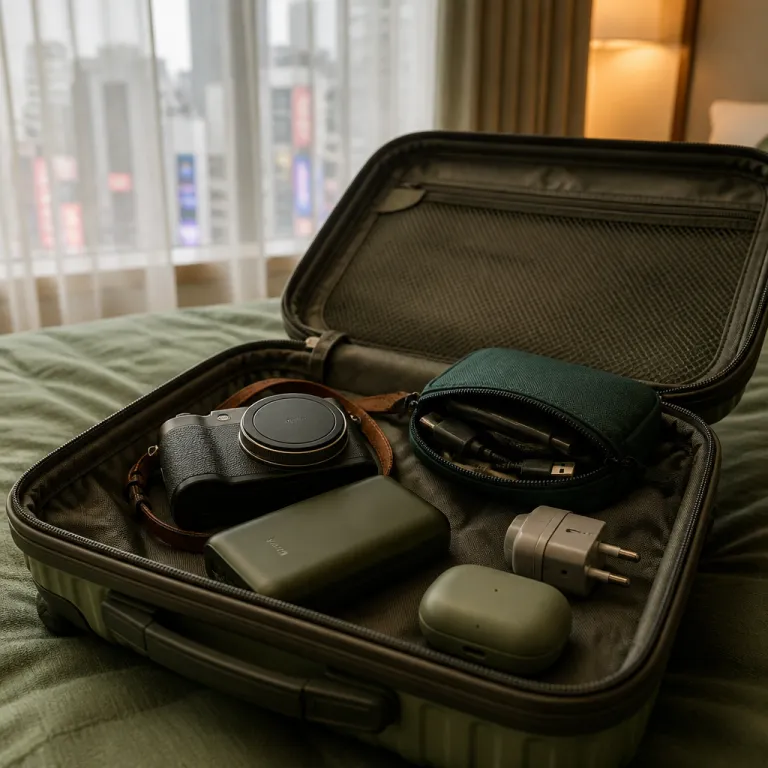
Akihabara electronics shopping guide for travellers staying in Tokyo hotels
Akihabara in central Tokyo is the district where technology, neon and anime culture collide. This Akihabara electronics shopping guide is written for travellers choosing a hotel who want efficient access to the area and a refined shopping experience. From my view as a hospitality and travel journalist, I will help you plan your hours in this electric neighbourhood so every minute feels well spent.
Akihabara sits in Sotokanda, Chiyoda ward, only a few minutes on foot from several major railway and metro lines, which makes it ideal when you book a hotel anywhere along the JR Yamanote loop. When you compare Tokyo districts, few areas offer such a dense cluster of electronics stores, anime goods shops and pop culture attractions within a ten minute walk radius of a single station. With the right information on Akihabara Station access, tax free procedures and store opening hours, you can turn a simple stroll through Electric Town into a seamless, high value shopping experience.
For hotel guests, the deep subject is not only where to buy electronics in Akihabara but how to integrate this electric town into a wider Tokyo stay. You need to know which train connections keep transfers short, which streets feel comfortable to walk at night, and how to balance anime themed venues with quieter Japanese cafés. This Akihabara electronics shopping guide therefore connects transport, stores and nearby hotel choices so you can find the right address and plan each walk with confidence.
How to reach Akihabara station easily from your Tokyo hotel
Most international visitors reach Akihabara Station on the JR Yamanote Line, which circles Tokyo and links major hotel districts such as Shinjuku, Shibuya and Tokyo Station. From many central properties you can expect a ten to fifteen minute ride, followed by a three to five minute walk from the platforms to the Electric Town (Denki-gai) Exit on the northwest side. When you compare potential hotel locations, study the rail map and prioritise direct lines to reduce time spent on transfers.
Akihabara Station is also served by the JR Keihin–Tōhoku Line, the Tokyo Metro Hibiya Line and the Tsukuba Express, which runs out towards Ibaraki and can be convenient if your hotel lies in the northeast suburbs. The Tokyo Metro network allows you to reach Akihabara’s electric streets from business areas like Ginza or Roppongi in under thirty minutes, often with only one transfer. When you plan your stay, verify on the official website of your chosen hotel whether they list walking times to the nearest Tokyo Metro entrance, because an extra five minutes on foot can matter after long shopping hours.
Once you arrive at Akihabara Station, follow signs for the Electric Town exit, which brings you directly into the heart of the electronics and anime goods district. This exit is the reference point used by most stores when they describe their address and walking distance, so it is worth memorising. If your hotel concierge gives you printed directions, ask them to mark both the Electric Town exit and the Central Exit so you can choose the quieter route back after an intense pop culture experience.
Planning your Akihabara electric town route by time and energy
Akihabara Electric Town can feel overwhelming, especially after a long flight and hotel check in, so structure your route by hours and energy levels. Most major electronics stores open around 10:00 and close by 20:00, which gives you a clear window to plan each short walk between stops. Local guidance from tourism offices notes that “Most stores operate from 10 AM to 8 PM,” with only minor seasonal variations.
Start your Akihabara electronics shopping route at Yodobashi Camera Multimedia Akiba, the flagship electronics store just across the tracks from the main station complex (1-1 Kanda Hanaokachō, Chiyoda-ku). This enormous store offers everything from cameras and laptops to rice cookers and beauty devices, and it is particularly strong for visitors who want tax free purchases processed efficiently. From many Tokyo hotels on the east side, such as business properties near Tokyo Station or Kanda, you can reach Yodobashi Camera in under twenty minutes, and the building’s rooftop sports area and terrace give a striking view towards Sotokanda and the surrounding electric density.
After Yodobashi Camera, cross back towards the Electric Town exit and explore side streets where smaller stores specialise in components, retro consoles and niche Japanese audio brands. These compact shops often have different hours from the big chains, so check the door or official website of each store if you plan a late evening visit. When your energy dips, pause at one of the quieter cafés just beyond the brightest neon, rather than the themed maid cafés, so you can review receipts, phone photos and your remaining stamina before returning to the hotel.
Key electronics stores and anime goods hubs for serious shoppers
For travellers who value efficiency, this Akihabara electronics shopping guide focuses on a curated set of stores rather than every possible shop. Yodobashi Camera remains the anchor for new electronics, while Bic Camera AKIBA and Sofmap AKIBA, both present in Akihabara, complement it with competitive pricing and strong used product selections. Together these retailers form a triangle of reliability, where you can compare models, view specifications and confirm warranty details before carrying anything back to your hotel.
Beyond the giants, you will find hundreds of smaller electronics stores and anime goods shops scattered through the backstreets of Sotokanda, Chiyoda. Some specialise in high end audio, others in components, and many in retro gaming, which has become one of the most popular segments among international visitors. When you step into a narrow store filled with stacked consoles and cables, the experience feels very different from a polished hotel lobby, yet the staff are usually patient and accustomed to explaining Japanese labels to foreign guests.
Pop culture fans should allocate several hours to multi level stores dedicated to anime, manga and character merchandise, where Akihabara gachapon capsule machines line entire walls. These anime goods floors often sit above or below electronics sections, so check the floor guide near the elevator rather than relying only on street level view. If you plan to buy fragile figurines or limited edition goods, ask your hotel in Tokyo whether they can provide extra packing materials or hold purchases at the front desk until your departure day.
Tax free shopping, payments and practical details hotel guests must know
One of the main advantages of concentrating your electronics purchases in Akihabara is the density of tax free counters. Many large stores and even some smaller shops offer tax free shopping for tourists, provided you show your passport and meet the minimum spend in a single store, which is typically around several thousand yen for general goods under current rules. Always carry your passport rather than a copy when you leave the hotel, because staff must view the original document to process the exemption.
In practice, the tax free procedure in Akihabara electronics stores is straightforward, but it can add several minutes to each transaction. Some retailers handle tax free at a central counter on a higher floor, so factor in extra walking time inside the building itself. If you are staying at a business hotel with limited front desk hours, allow enough time to return before staff changeover, especially when you need help storing high value electronics or confirming the address for international warranty registration by phone.
Most Akihabara stores accept international credit cards, but smaller shops and some maid cafés still prefer cash, so withdraw yen before you start your route. Keep receipts organised in a dedicated envelope in your hotel room, because they may be required at the airport and are also useful if you need after sales support via an official website. When you buy items that require a Japanese plug or voltage check, ask the staff to note compatibility on the receipt, then photograph it with your phone so you can review the details calmly later in your Tokyo hotel room.
Choosing a Tokyo hotel with the best access to Akihabara
When your main goal is to follow an Akihabara electronics shopping guide, location becomes the most important hotel amenity. Properties within a five to ten minute walk of Akihabara Station offer the greatest flexibility, allowing you to drop purchases in your room between store visits. This proximity also lets you experience the district at different hours, from quiet early mornings to the full electric glow after dark.
If you prefer a calmer base, consider hotels one or two stations away on the Tokyo Metro Hibiya Line or JR lines, where streets feel more residential but you still enjoy a short ride into Electric Town. Areas around Kanda, Ochanomizu or Asakusabashi balance convenience and tranquillity, and many rooms here offer a more open view than tightly packed buildings right beside Akihabara’s main streets. When comparing options, study the hotel’s access page on its official website, looking for clear walking times to the nearest station and confirmation of direct trains to Akihabara Station or nearby Hibiya Line stops.
Business travellers often appreciate hotels near Tokyo Station, which sits only a few minutes by train from Akihabara and connects to the Shinkansen network for wider Japanese itineraries. From such a base you can schedule focused electronics and anime shopping in Akihabara during specific hours, then return to a quieter environment for meetings or rest. Whatever district you choose, verify that the front desk can receive parcels, because some guests prefer to ship heavier electronics from an Akihabara store directly to the hotel rather than carry them during every day of sightseeing.
Balancing Akihabara pop culture with wider Tokyo experiences
Akihabara is famous for its intense concentration of electric signage, anime imagery and themed venues, yet a well planned Tokyo stay balances this with other neighbourhoods. After several hours immersed in pop culture, many travellers appreciate returning to a hotel in a quieter area such as Nihonbashi, Ueno or even bayside districts. This contrast helps you process the sensory experience of Electric Town while still enjoying the refined hospitality standards for which Japanese hotels are known.
Within Akihabara itself, you will encounter maid cafés, gaming arcades and multi level stores that stay lively until late evening. These venues can be entertaining, but they may not suit every traveller, so use this Akihabara electronics shopping guide to prioritise the experiences that genuinely interest you. If you are travelling with family, consider limiting younger guests to daytime visits and scheduling calmer activities, such as a river cruise or a walk through Ueno Park, for the remaining hours.
Remember that Akihabara is only one facet of Tokyo, and your hotel choice should reflect the overall tone you want for the trip. Some guests prefer to stay right in Sotokanda, Chiyoda for maximum immersion, while others treat Akihabara as a focused half day excursion from a different district. Either way, by understanding transport options, store layouts and the rhythm of the streets from hour to hour, you can enjoy both the electric intensity of Akihabara and the broader cultural depth of the Japanese capital.
Key figures for Akihabara electronics and pop culture travel
- Akihabara hosts several hundred electronics stores, according to estimates from the Tokyo Metropolitan Government and local tourism offices, which means travellers can compare a wide range of products within a compact area.1
- The district welcomes millions of visitors per year, based on Tokyo tourism data, underlining why hotel guests should plan visits during weekdays or early hours to avoid the largest crowds.2
- Most major stores operate roughly from 10:00 to 20:00, so hotel guests should schedule electronics purchases within this ten hour window and reserve late evenings for dining or quieter walks.3
- With three key rail systems serving Akihabara Station, including JR lines, Tokyo Metro and the Tsukuba Express, many central hotels lie within a fifteen to twenty minute ride of Electric Town.
1 Based on figures published by the Tokyo Metropolitan Government and Akihabara area business associations. 2 Visitor estimates compiled from Tokyo tourism statistics. 3 Typical opening hours listed by major retailers such as Yodobashi Camera and Bic Camera.
FAQ: Akihabara electronics shopping for Tokyo hotel guests
What is Akihabara best known for among international visitors ?
Akihabara is best known for its dense concentration of electronics stores and its role as a centre of anime, manga and broader Japanese pop culture. The area around the Electric Town exit at Akihabara Station combines large retailers such as Yodobashi Camera with countless smaller shops and anime goods outlets. This mix makes it a natural focus of any Akihabara electronics shopping guide for travellers staying in Tokyo hotels.
Are there tax free shops in Akihabara for tourists ?
Yes, many Akihabara electronics stores and character goods shops offer tax free shopping for foreign visitors who present a valid passport. Large retailers such as Yodobashi Camera, Bic Camera and Sofmap have dedicated tax free counters where staff handle paperwork efficiently. To benefit fully, hotel guests should keep purchases from each store on the same day and allow extra minutes for processing before closing hours.
How much time should I allocate to Akihabara from my hotel schedule ?
For a focused visit centred on electronics and anime goods, plan at least four to six hours in Akihabara, excluding travel time from your hotel. This allows you to compare prices between major stores, explore a few side street shops and enjoy a meal or café break without rushing. Enthusiasts who want to visit multiple floors of gaming, figurines and Akihabara gachapon machines may prefer to dedicate a full day.
Is Akihabara easy to reach from major Tokyo hotel districts ?
Akihabara is very easy to reach from most central Tokyo hotel areas thanks to the JR Yamanote Line, Tokyo Metro Hibiya Line and Tsukuba Express. From Shinjuku, Shibuya or Tokyo Station, the ride usually takes between ten and twenty minutes, followed by a short walk from the platforms to the Electric Town exit. When booking, check that your hotel is within a comfortable walk of a station with direct trains to Akihabara.
What should I check before buying electronics in Akihabara ?
Before purchasing, confirm voltage and plug compatibility, international warranty conditions and the store’s return policy, especially if you will soon leave Japan. Ask staff to explain any Japanese only documentation and consider photographing key details with your phone for later review at the hotel. It is also wise to compare prices between at least two major stores, as promotions and point systems can significantly affect the final cost.
References
Japan National Tourism Organization (JNTO) ; Tokyo Metropolitan Government tourism information ; Tokyo Tourism Board.