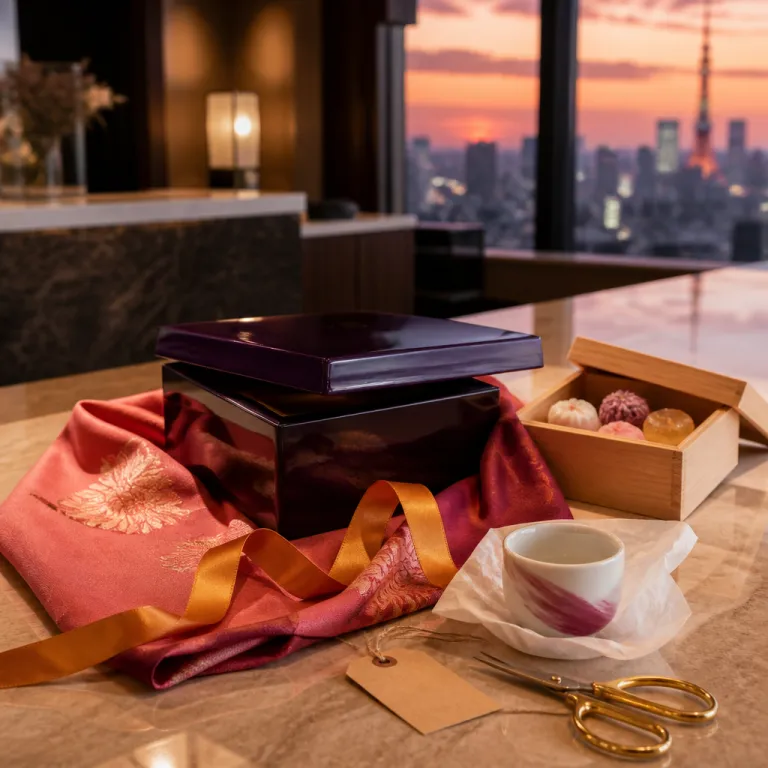
How hotel guests in Tokyo can approach refined Japanese gifts from Japan
Staying in a central Tokyo hotel places you close to some of the most refined traditional gifts, yet many travellers feel overwhelmed by choice. When you arrive from abroad, jet lag and tight itineraries can make it difficult to find thoughtful souvenirs that feel authentic rather than generic. Thinking ahead about what kind of souvenir from Japan you want, and how it will travel home in your luggage, will help you buy calmly instead of panic shopping at the airport.
In Japanese culture, gift giving is a social language that expresses respect, gratitude, and harmony, so the presents you buy carry more meaning than their price tag. Traditional etiquette suggests avoiding items in sets of four and presenting each gift with both hands, which is worth remembering if you plan to thank a Tokyo hotel concierge or business contact. Guidance from Nippon.com summarises the basics as “Avoid gifts in sets of four. Use both hands when presenting gifts. Wrap gifts neatly,” which is easy to follow even on a short stay.
For hotel guests, the best souvenirs are usually compact, high quality, and easy to explain when you return home, which is why tea, textiles, and small craft items work so well. You will find keepsakes that range from a simple maneki neko charm to a cast iron teapot, and the regular price for each category varies widely depending on craftsmanship. Before you buy in a rush, check reviews, compare the price from different shops, and ask hotel staff which nearby store has the best selection for your budget.
Where to buy Japanese gifts from Japan near major Tokyo hotels
Many of the most convenient places to buy souvenirs cluster around major hotel districts such as Shinjuku, Shibuya, Ginza, and Asakusa. From large department stores to compact underground shops, these areas let you find a souvenir from Japan without straying far from your room. If you prefer to compare the regular price and any price sale offers, plan a short walking route that links two or three different stores in the same neighbourhood.
Department stores in Japan such as Isetan Shinjuku, Mitsukoshi Ginza, and Takashimaya Nihombashi curate traditional crafts, regional foods, and elegant tea gift sets on their dedicated souvenir floors. Isetan Shinjuku sits a few minutes’ walk from Shinjuku Station East Exit, Mitsukoshi Ginza is directly connected to Ginza Station, and Takashimaya Nihombashi is beside Nihombashi Station, so they are easy to reach from most central hotels. These stores are ideal when you want high quality Japanese souvenirs with clear labelling, careful wrapping, and staff who can explain the story behind each product. Expect the price from these department stores to be higher than in discount shops, but the selection and presentation often justify the difference for important gifts.
For late night shopping, many hotel guests head to Don Quijote in Shinjuku or Shibuya, where you can buy everything from matcha snacks to maneki neko figurines at a lower sale price. While the atmosphere is busy, these shops are practical when you need multiple small souvenirs from Tokyo for colleagues and friends, and you can often find a set sale on themed items. One business traveller, for example, picked up a dozen regional snack boxes at Don Quijote Shinjuku after dinner, then walked back to the hotel in ten minutes with all gifts sorted for the office. Always check the shelf label for the regular price and any temporary price sale, then decide whether the discount makes sense for the quality you expect.
Traditional Japanese tea, matcha, and cast iron gifts that travel well
Tea is one of the most appreciated Japanese gifts from Japan, and Tokyo hotels sit within easy reach of specialist tea shops. A compact green tea or matcha gift set fits neatly into a suitcase, offers a clear sense of place, and can be enjoyed slowly long after your trip ends. When you buy Japan tea souvenirs, look for airtight packaging, harvest information, and brewing instructions in English to ensure your recipient can fully appreciate the flavour.
In Nihombashi and Ginza, long established tea stores such as Ippodo and Jugetsudo sell high quality green tea, matcha, and elegant accessories that make refined Japanese souvenirs from Tokyo. Ippodo’s Tokyo branch is near Tokyo Station and Otemachi Station, while Jugetsudo is located in the Kabuki-za Tower above Higashi-ginza Station, so both are convenient for hotel guests in central areas. You can assemble a personalised gift set that might include loose leaf tea, a bamboo whisk, and a small cast iron teapot, all presented in a simple box that fits easily into your cabin bag. The price from these specialist shops usually starts from around 1,500–3,000 yen (roughly 10–20 USD) for basic teas, rising steadily with rarity and packaging.
Cast iron teapots and cups are particularly popular as traditional Japanese gifts from Japan, but they are heavy, so hotel guests should pack thoughtfully. A typical small tetsubin style teapot can weigh around 1–1.5 kilograms before adding tea or packaging, which matters if you fly with strict baggage limits. If you plan to buy a cast iron item, ask the store to wrap it securely and consider shipping it from Japan directly to your home rather than carrying it through multiple airports. Always compare the regular price and any sale price between one store and another, and read in store reviews or signage that explain how the item was made and how to care for it.
Characterful Japanese souvenirs from Japan for hotel based travellers
Not every traveller wants formal tea or textiles, and many hotel guests prefer playful Japanese gifts from Japan that capture Tokyo’s energy. In this case, character goods, snacks, and small household items make excellent souvenirs from Tokyo, especially when you need to buy several gifts quickly. Busy visitors often appreciate that these items are widely available in convenience stores, station shops, and large chains close to major hotels.
Don Quijote branches near Shinjuku and Asakusa stations are famous for their chaotic aisles filled with Japanese souvenirs from Japan, including maneki neko figurines, quirky socks, and themed snack packs. You can often find a set sale on character goods or regional sweets, which helps when you want the best souvenirs for a large group without exceeding your budget. Look carefully at the shelf tags, which usually show the regular price, any temporary sale price, and sometimes a converted price from yen to another currency such as from USD or even a regional unit like DHS for reference.
For something more curated, many Tokyo station shops and airport stores sell high quality snack boxes and small lifestyle items that still feel like a thoughtful souvenir from Japan. These shops often highlight best selling products with in store reviews, staff recommendations, or signage that points out the best souvenirs for first time visitors. When you buy Japan character goods, check that any food souvenirs from Japan have clear ingredient lists and expiry dates that fit your travel schedule, and remember that some countries restrict fresh products such as meat, dairy, or fruit based items at customs.
Respecting Japanese gift etiquette while staying in Tokyo hotels
Understanding local etiquette turns simple Japanese gifts from Japan into gestures that resonate more deeply with the people you meet. In Japan, gift giving is closely tied to social harmony, so the way you present a souvenir from Tokyo can matter as much as what you buy. Hotel guests who plan to thank staff, guides, or business partners should think about timing, presentation, and cultural nuances before offering any gift.
Traditional Japanese customs emphasise neat wrapping, modesty, and the use of both hands when presenting or receiving a gift, which is easy to follow even in a hotel lobby. Many department stores and specialist shops in Tokyo offer complimentary wrapping with noshi paper or decorative mizuhiki cords, turning even simple Japanese souvenirs from Japan into elegant packages. If you want to go further, you can buy a reusable furoshiki cloth as both wrapping and an extra gift, which aligns with the growing interest in sustainable souvenirs from Japan.
Seasonal gift periods such as Ochugen in mid July and Oseibo in early December influence what appears on sale in major stores, so hotel guests visiting during these times will see dedicated displays. Survey data from the Japan Department Stores Association indicates that average spending for these occasions can reach several thousand yen per gift, but as a visitor you are not expected to match local norms, and a small high quality gift set is usually enough. Focus on sincerity rather than the exact price from the store, and avoid items associated with bad luck, such as combs or sets of four, when choosing the best souvenirs for local contacts.
Comparing prices, quality, and reviews when shopping from your hotel base
With so many options for Japanese gifts from Japan, price transparency becomes essential for travellers who only have a few nights in Tokyo. Before leaving your hotel, decide roughly how much you want to spend per souvenir from Japan, then group your shopping list into everyday gifts and special items. This simple structure helps you compare the regular price and any sale price more calmly once you enter busy stores.
High quality traditional Japanese crafts, such as hand dyed textiles or artisan ceramics, usually cost more than mass produced souvenirs from Tokyo, but they age better and carry stronger stories. Department stores and specialist shops often justify their higher price from the perspective of craftsmanship, clear provenance, and after sales support, which matters if you are buying a fragile cast iron teapot or a premium tea gift set. Discount chains like Don Quijote focus on volume and variety, so you will see more frequent set sale offers and bundles that bring the effective price sale down for bulk purchases.
Many travellers now check online reviews while standing inside a store, using hotel Wi Fi to confirm whether a product is considered one of the best souvenirs in its category. When you buy Japan gifts this way, pay attention to comments about durability, flavour, and packaging rather than just the headline rating, because these details affect how your Japanese souvenirs from Japan will be received. If a product lists a price from yen alongside a converted from USD or DHS figure, treat the foreign currency as an approximate guide only, since exchange rates change frequently.
Key figures on Japanese gifts from Japan for Tokyo hotel guests
- Average spending on Ochugen mid summer gifts in Japan is often reported at around 5,000 yen per gift in surveys cited by the Japan Department Stores Association, which helps hotel guests benchmark what locals might consider a reasonable price from a department store.
- Average spending on Oseibo year end gifts can rise to about 10,000 yen per gift in the same surveys, so visitors staying in Tokyo during this period will see more premium Japanese gifts from Japan on prominent sale displays.
- Traditional tea gift sets and small craft items typically start from the equivalent of around 1,500–3,000 yen (about 10–20 USD) in central Tokyo shops, making them accessible souvenirs from Japan even for travellers on shorter stays.
- Cast iron teapots often weigh around or above 1 kilogram each, which is important for hotel guests to consider when balancing airline baggage limits against the desire to buy heavier traditional Japanese gifts from Japan.
FAQ about Japanese gifts from Japan for Tokyo hotel travellers
What are the most practical Japanese gifts from Japan to bring home from a Tokyo hotel stay ?
The most practical Japanese gifts from Japan for hotel based travellers are compact items such as green tea, matcha snacks, small maneki neko charms, and lightweight textiles. These souvenirs from Tokyo fit easily into carry on luggage and rarely cause customs issues. They also offer a clear sense of place without adding significant weight or requiring special handling.
Where can I find traditional Japanese gifts near major Tokyo hotels ?
You can find traditional Japanese gifts near major Tokyo hotels in large department stores such as Isetan Shinjuku, Mitsukoshi Ginza, and Takashimaya Nihombashi. These stores curate high quality Japanese souvenirs from Japan, including tea gift sets, ceramics, and cast iron teapots. Many hotels are within a short walk or a single train stop of at least one such store.
How much should I expect to pay for a good quality tea gift set in Tokyo ?
A good quality tea gift set in Tokyo usually starts from the equivalent of around 1,500–3,000 yen (about 10–20 USD) and can rise significantly with premium leaves or elaborate packaging. Specialist tea shops and department stores tend to have a higher regular price than discount shops, but they also provide better information on origin and brewing. For important recipients, many travellers choose mid range sets that balance price and perceived value.
Are cast iron teapots good souvenirs from Japan for travellers staying in hotels ?
Cast iron teapots are excellent traditional Japanese souvenirs from Japan, but hotel guests must consider their weight and fragility. If you plan to buy one, ask the store for secure packaging and check your airline baggage allowance before purchase. Some travellers choose to ship cast iron items from Japan directly to their home to avoid carrying them through multiple airports.
What should I avoid when choosing Japanese gifts from Japan for local hosts or hotel staff ?
When choosing Japanese gifts from Japan for local hosts or hotel staff, avoid items associated with bad luck such as combs, sets of four, or white flowers. Focus instead on modest, high quality souvenirs from Tokyo such as tea, sweets, or regional specialties presented with neat wrapping. Always offer the gift with both hands and a simple expression of thanks to align with local etiquette.
Trustful expert references
- Japan National Tourism Organization (JNTO) – practical information on travel, shopping, and cultural etiquette in Japan.
- Nippon.com – guidance on Japanese gift giving etiquette, customs, and seasonal traditions.
- Japan Department Stores Association – survey data on Ochugen and Oseibo spending trends in major Japanese cities.