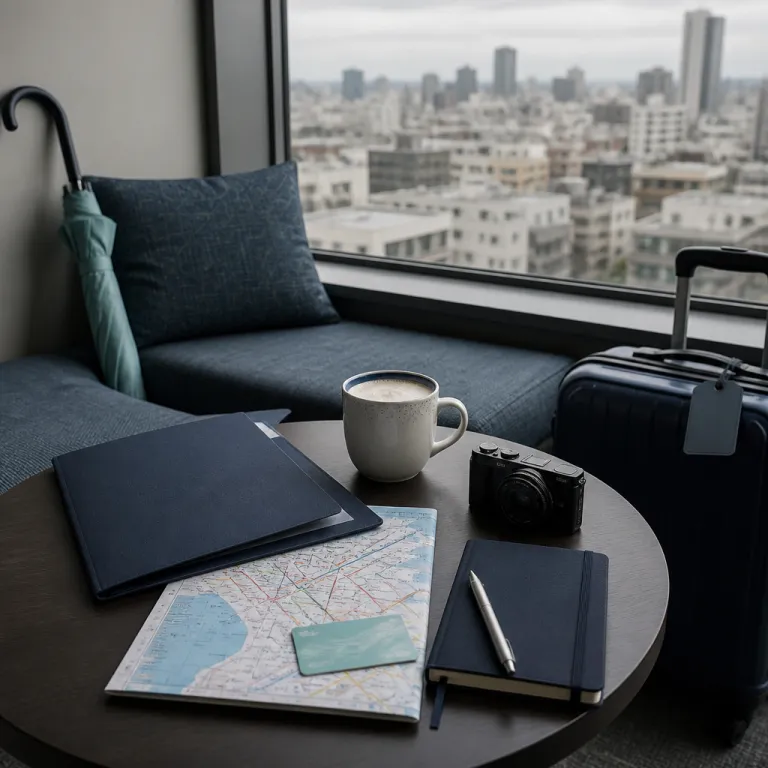
How to shape an elegant four days in Tokyo itinerary from your hotel
Planning a refined four days in Tokyo itinerary starts with choosing a hotel that anchors you in central Tokyo. For someone coming to Japan to balance comfort and exploration, the right property near a major train line will quietly transform every day into a smooth, efficient experience. From check in to your final walk back through the city at night, your hotel becomes the calm counterpoint to the sensory rush of each day Tokyo offers.
When you stay near Tokyo Station, Shinjuku, or Shibuya, you shorten travel time and gain effortless access to almost every area on your Tokyo itinerary. These hubs connect you to the Narita Express, local JR lines, and the Tokyo Metro, which means each day Tokyo presents can start early and end late without exhausting transfers. Hotel staff and local guides in these districts are used to international travelers, so you can easily ask for help to find a particular street, reserve a head spa, or arrange a last minute day trip.
Think of your four days in Tokyo itinerary as a sequence of themed days that radiate out from your hotel into different parts of the city. One day might focus on the historic heart of Japan, another on neon nightlife, another on art and design, and the last on refined food and shopping. This structure lets you spend days in varied neighborhoods while always returning to a familiar base, which is especially valuable if you are new to Tokyo or arriving after a long trip.
Choosing the right area and hotel for four days in Tokyo
For many travelers, Shinjuku is the most practical base for a four days in Tokyo itinerary because it combines major train connections, endless food options, and a dense concentration of hotels. Shinjuku Station is one of the busiest in Japan, but that intensity means you can reach almost any area of the city in under thirty minutes by train. After a long day trip or a late night in Golden Gai, being only a short walk from your room feels like a quiet luxury.
Shibuya offers a different rhythm for your days in Tokyo, with its famous crossing, youthful fashion, and easy access to Harajuku and Meiji Jingu. If you stay here, your day Tokyo experience will lean toward creative cafés, small Japanese bars, and quick metro rides to central Tokyo landmarks such as Tokyo Tower and the Imperial Palace. Shibuya hotels also work well if you plan to visit teamLab Planets, Odaiba, or Tokyo Skytree, since you can follow a simple route on Google Map or Tokyo Google search results and change trains only once.
Travelers who prefer a quieter atmosphere often choose the Tokyo Station and Marunouchi area, where wide streets, business towers, and refined restaurants create a polished city backdrop. From a hotel here, you can walk to the Imperial Palace gardens in less than twenty minutes and board the Narita Express or Shinkansen without crossing half of Tokyo. This location suits guests who want to spend days exploring museums, such as the Edo Tokyo themed exhibitions in Ryogoku or any major Tokyo museum, then return to a calm lobby and attentive Japanese hospitality.
Day 1 in Shinjuku, Shibuya, and Harajuku from your hotel base
Begin the first day of your four days in Tokyo itinerary with an early walk through Shinjuku, ideally before the crowds fill every street. From many Shinjuku hotels, you can reach Omoide Yokocho or Kabukicho in minutes, which makes it easy to see how the city shifts from quiet morning to neon evening in a single day. Use Google Map on your phone to trace a loop that passes through Shinjuku Gyoen National Garden, where you can pause and appreciate how carefully Japanese gardeners shape urban green spaces.
By late morning, take a short train ride on the JR Yamanote Line to Harajuku Station and visit Meiji Shrine, also known as Meiji Jingu, which sits in a forested area that feels far removed from central Tokyo traffic. This shrine visit anchors your day Tokyo experience in history and ritual, and it offers a calm counterpoint to the fashion streets of Takeshita Dori nearby. Afterward, walk toward Shibuya, stopping for Japanese street food such as taiyaki or crepes, then watch the famous crossing from a café window as the city pulses below.
In the evening, return by train to Shinjuku and explore Golden Gai, a compact network of alleys lined with tiny bars that each seat only a handful of guests. This is one of the best places in Japan to feel how intimate the city can become, especially when bar owners and regulars welcome visitors with quiet warmth. After a final drink, you can walk back to your hotel, review the day on Tokyo Google maps, and adjust the rest of your Tokyo itinerary based on what you enjoyed most.
Day 2 around Asakusa, Tokyo Skytree, and the Imperial Palace
The second day of your four days in Tokyo itinerary should focus on the historic and symbolic heart of the city. Start from your hotel and ride the train to Asakusa, where Sensoji Temple and the surrounding streets offer a vivid introduction to traditional Japanese architecture and crafts. Here you can walk Nakamise shopping street, sample local food such as ningyo yaki, and watch how residents and visitors share the same sacred space.
From Asakusa, it is a short ride to Tokyo Skytree, whose tower dominates the skyline and provides one of the best views in Japan on a clear day. Booking timed tickets in advance saves time, especially during busy days Tokyo receives large tour groups, and allows you to plan the rest of your day Tokyo schedule with precision. After descending, you can explore the shopping complex at the base, where you will find everything from character goods to refined Japanese sweets that make thoughtful gifts to bring back to your hotel.
Later, head toward Tokyo Station and walk to the Imperial Palace outer gardens, where wide moats and stone walls frame the modern city beyond. This area is ideal if you want to spend days balancing history with contemporary architecture, since the Marunouchi towers rise directly behind the palace grounds. As evening approaches, return to your hotel by train, perhaps stopping for dinner in a Tokyo Station underground food hall, where you can compare ramen shops and observe the daily rhythm of commuters in central Tokyo.
Day 3 day trip options and how hotels shape the experience
The third day in a four days in Tokyo itinerary is perfect for a day trip beyond the city, and your hotel choice will influence how simple that feels. Many travelers use Tokyo Station as a departure point for a day trip to Kamakura, Nikko, or even the Mount Fuji area, since Shinkansen and limited express trains depart frequently. If your hotel is within walking distance of this hub, you can leave your luggage safely, step onto the train with only a day bag, and return late without worrying about long transfers.
Guests based in Shinjuku can also enjoy excellent day trip options, including the limited express services toward the Fuji Five Lakes region or the Hakone area. Hotel concierges and local guides are used to helping visitors plan how to spend days outside Tokyo, and they can print train timetables, mark routes on Google Map, or even book guided tours. This support is especially valuable if you are new to Japan and want to maximize your time without constantly checking Tokyo Google search results on your phone.
If you prefer to stay within the city, you can dedicate this third day Tokyo schedule to museums and cultural sites instead of leaving town. Consider visiting an Edo Tokyo themed museum in Ryogoku, then continue to another Tokyo museum in Ueno Park, where you can walk between institutions and enjoy the greenery. After a full day of art and history, return to your hotel for a restorative head spa treatment if available, or ask staff to recommend a nearby spa where you can book a session to ease the fatigue of long days on your feet.
Day 4 for food, shopping, teamLab Planets, and a head spa finale
Reserve the final day of your four days in Tokyo itinerary for refined pleasures, starting with food and ending with relaxation. Many hotels in central Tokyo serve excellent Japanese and Western breakfasts, but you may also want to walk to a nearby café or department store basement to sample seasonal specialties. This last day Tokyo rhythm should feel unhurried, allowing you to revisit a favorite street, buy gifts, and savor the city at a slower pace.
From Shimbashi or Shiodome stations, you can ride the train toward Toyosu and visit teamLab Planets, an immersive digital art museum that has become one of the best known attractions in Japan. Booking a morning or early afternoon slot lets you avoid the busiest hours and leaves time to explore Ginza afterward, where luxury towers and side streets offer everything from flagship boutiques to quiet tea rooms. Use Google Map to trace a walking route that passes both major stores and smaller Japanese artisans, then return to your hotel to drop shopping bags before dinner.
As a final gesture of care, schedule a head spa treatment either in your hotel or at a reputable salon nearby, which many concierges can help you find. This ritual, which focuses on scalp massage and hair care, is a distinctive part of Japanese wellness culture and a soothing way to reflect on your days Tokyo has hosted you. Afterward, consider a last evening walk to Tokyo Tower or another favorite tower view, letting the city lights imprint themselves on your memory before you return to your room to pack.
Practical hotel strategies to navigate trains, food, and busy days
To make the most of any four days in Tokyo itinerary, treat your hotel as a strategic partner rather than just a place to sleep. Upon arrival in Japan, ask the front desk to help you purchase or recharge a Suica or Pasmo IC card, which will streamline every train and metro journey you take. Many hotels keep printed city maps at reception, and combining these with Google Map on your phone gives you both a broad overview and precise turn by turn directions.
Hotel staff can also recommend the best local food options, from ramen counters under the tracks near Tokyo Station to refined kaiseki restaurants hidden on upper floors of anonymous towers. If you mention that you plan to visit Meiji Shrine, Tokyo Skytree, or Tokyo Tower on specific days, they can suggest the quietest times and the most efficient train routes. This guidance helps you spend days enjoying the city rather than standing in ticket lines or wandering in circles on unfamiliar streets.
Finally, remember that many hotels in central Tokyo collaborate with local guides and travel agencies, which can be invaluable if you want a deeper understanding of Japanese culture. As one common piece of advice puts it, "Guided tours can enhance the experience, especially for cultural and historical sites." Whether you choose a walking tour around the Imperial Palace area, a food focused evening in Shinjuku and Shibuya, or a museum themed day Tokyo schedule, these curated experiences can turn a good trip into a truly memorable one.
Key figures for planning four days in Tokyo
- Tokyo welcomed around 15 million international visitors in 2019 according to the Tokyo Metropolitan Government, which means booking your hotel near a major train hub is wise during peak seasons; always check the latest official statistics for updated figures.
- Many travelers in Tokyo record close to 10,000 steps per day on fitness trackers and health apps, so selecting a hotel with easy station access and nearby food options reduces unnecessary extra distance, even though individual activity levels vary.
- A four days in Tokyo itinerary usually allows guests to cover at least four to six major areas of the city, such as Shinjuku, Shibuya, Asakusa, Odaiba, and Ginza, without feeling rushed if they start each day early and keep transfer times short.
- Most central Tokyo hotels sit within 1 to 2 kilometres of at least one major JR or metro station, which keeps average train journey times between key sights under 30 minutes for well planned routes, based on typical schedules published by local operators.
FAQ about planning four days in Tokyo from your hotel
Is four days enough to see Tokyo while staying in one hotel?
Yes, four days allow for a comprehensive overview of Tokyo's main attractions if you base yourself in a central area such as Shinjuku, Shibuya, or near Tokyo Station. You will not see every district, but you can comfortably cover major highlights, enjoy varied food, and still have time for a short day trip.
What is the best way to get around Tokyo from my hotel?
Using public transportation with a prepaid IC card is efficient and convenient, especially if your hotel is close to a JR or metro station. Trains and subways are frequent, clearly signed in English, and usually faster than taxis during busy times.
Should I stay in one hotel or change areas during my four days?
For most travelers, staying in one well located hotel is simpler and more relaxing than changing rooms mid trip. A single base near a major station lets you reach different areas of the city quickly while avoiding the time and stress of packing and checking in again.
Are guided tours recommended for a short Tokyo stay?
Guided tours can be very helpful if you want deeper context at places like Meiji Shrine, Asakusa, or the Imperial Palace area. Joining one or two focused tours during your four days can complement your own explorations and reduce time spent planning every detail alone.
Which area is best for first time visitors booking a hotel?
Shinjuku is often the best choice for first time visitors because it combines extensive train connections, a wide range of hotels, and countless food options. Shibuya and the Tokyo Station area are also excellent, especially if you value either nightlife or easy access to long distance trains and the Narita Express.