Why instagrammable spots in Tokyo matter when choosing your hotel
Tokyo rewards travellers who plan their photo strategy before booking. When you choose a hotel near the most instagrammable spots in Tokyo, you shorten travel time and maximise every blue hour and early morning shoot. For guests balancing business meetings and leisure in Tokyo, proximity to key photo locations often matters more than an extra room amenity.
Think of the city as a vast open air studio where each district offers a different light, rhythm, and street character. Shinjuku, Shibuya City, and Harajuku deliver neon soaked scenes, while Asakusa and Meiji Shrine frame traditional Japan with lanterns, gates, and cherry blossoms. Selecting a hotel with an address close to these areas means you can step outside, capture your best photo within minutes, then return to change outfits or recharge batteries.
Travellers who know Kyoto often expect similar temple calm, yet Tokyo is more layered and vertical. Here, a single chome can shift from quiet residential lanes to a blazing crossing in just one block. When you study each potential hotel website, look beyond room photos and check the exact chome, nearest station, and walking distance to the photogenic spots and picture perfect streets you care about most.
Shibuya City, Shinjuku, and neon nights around your hotel
For many guests, the first mental image of Tokyo is Shibuya City at night. The famous Shibuya crossing is one of the most recognisable instagrammable spots in Tokyo, and staying within a short walk lets you shoot it at every hour and in every kind of light. A hotel near Shibuya Station also places you close to Takeshita Street in Harajuku and the mirrored entrance of Tokyu Plaza Omotesando Harajuku, both essential photo spots for fashion focused travellers.
Shinjuku offers a different mood, with Omoide Yokocho and Kabukicho glowing under dense layers of neon. Here, the Godzilla head peering over a cinema roof has become a playful photo spot, especially when framed with the surrounding towers of central Tokyo. If you choose a hotel in Shinjuku, you can capture late night street photos, then return again in the early morning when the same streets feel almost cinematic in their emptiness.
Between these districts, you will find some of the best photo opportunities for urban light and shadow. The elevated walkways around Shinjuku Station, the side street alleys of Shibuya City, and the quieter back lanes behind Takeshita Street all deliver strong compositions. When comparing hotels, prioritise those that give you safe, well lit access on foot, so you can move freely with your camera gear at any time.
Classic landmarks near central hotels: Tokyo Tower, Skytree, and Azabudai Hills
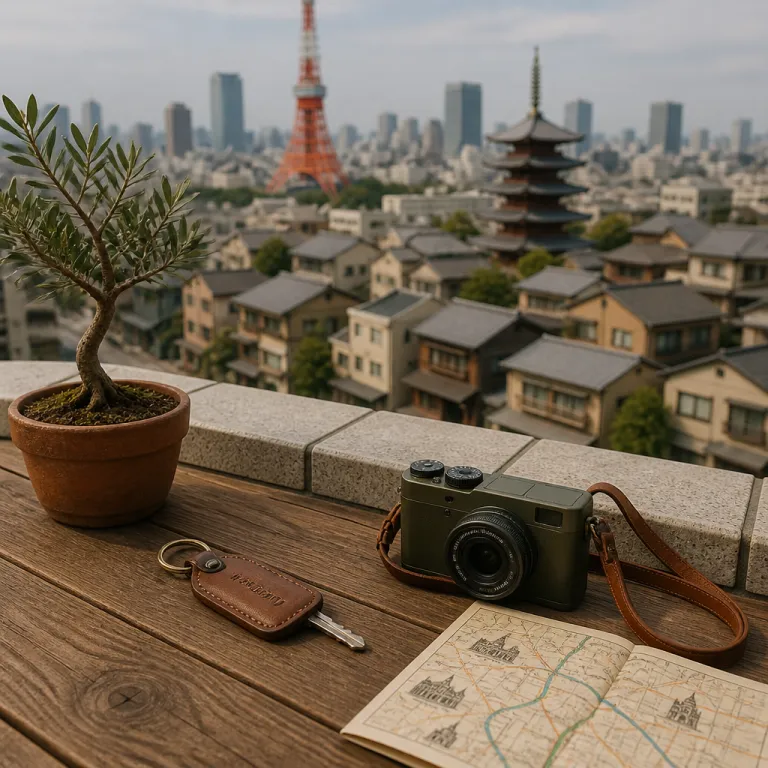
Iconic landmarks anchor your visual story of Tokyo, and your hotel choice can make them effortless to photograph. Tokyo Tower, with its red and white lattice, is one of the most instagrammable spots in Tokyo, especially when framed from nearby parks or from hotel rooms with a direct view. Winter illuminations around the tower add another layer of light, turning even a short evening walk into a productive photo shoot.
To the east, Tokyo Skytree rises to 634 metres and offers sweeping views across the metropolis, including Mount Fuji on clear days. Hotels along the riverside or near Asakusa Station give you quick access to both Skytree and Asakusa’s Senso ji Temple, allowing you to move between modern and historic photo spots in a single hour. Many travellers pair a sunrise visit to Skytree with an early morning wander through the temple grounds, capturing soft light on the pagoda and the surrounding streets.
Azabudai Hills introduces a newer skyline, with sleek towers and landscaped terraces that photograph beautifully at blue hour. A hotel in this district places you between Tokyo Tower and the business core, ideal for guests attending meetings yet keen to collect strong city photos before and after work. When you review each property website, look for rooftop access, high floor lounges, or corner rooms that can double as a private photo spot overlooking the city.
Traditional calm and seasonal beauty: shrines, gardens, and cherry blossoms
Not every guest wants only neon and glass when exploring instagrammable spots in Tokyo. Meiji Shrine, set within a vast forested park near Harajuku Station, offers a serene counterpoint to the nearby fashion streets and delivers timeless photos of Shinto architecture. Spring cherry blossoms and autumn foliage here create some of the best photo moments in central Tokyo, especially when you arrive in the early morning before tour groups.
Kiyosumi Gardens on the eastern side of the city provide a carefully composed landscape of ponds, stepping stones, and manicured trees. Hotels in this quieter area suit travellers who prefer slower walks, long lens studies of koi and reflections, and a more residential atmosphere. Asakusa’s Senso ji Temple, with its lantern lined Nakamise Street, adds another layer of traditional Japan, and staying nearby lets you photograph the temple gates at blue hour when the crowds thin.
Seasonal planning matters as much as location when you choose your hotel. Spring brings cherry blossoms to parks and riversides, while summer festivals in Asakusa fill the streets with colour and movement. Autumn light is softer and ideal for garden photos, and winter illuminations around Tokyo Tower and other landmarks turn even a short walk from your hotel into a luminous photo shoot.
Immersive modern experiences: TeamLab Borderless and creative interiors
Some of the most instagrammable spots in Tokyo are now indoors, which can influence where you stay. TeamLab’s digital art museums create shifting rooms of light that reward patience, timing, and careful composition. Booking a hotel with a straightforward route by train or on foot means you can choose the best hour to visit, avoiding peak crowds and giving yourself time for multiple photos.
Shopping complexes such as Tokyu Plaza Omotesando Harajuku double as photo spots, with their mirrored escalator entrance reflecting the surrounding street life. Guests who value design often select hotels whose lobbies, lounges, and corridors can serve as a private photo spot between city excursions. When you browse each property website, pay attention to interior photos and note whether natural light, artwork, and materials will complement your own photos and outfits.
Tokyo International travellers often combine work and leisure, so efficient access matters as much as aesthetics. A hotel near a major station such as Shinjuku, Shibuya, or Tokyo Station simplifies movement between meetings, shopping, and instagrammable spots across the city. This balance allows you to capture both polished indoor photos and dynamic street scenes without sacrificing rest or punctuality.
Planning your shooting schedule around hotel location and transport
Thoughtful timing transforms good photo spots into truly memorable images. Many of the best instagrammable spots in Tokyo look entirely different at early morning, midday, and blue hour, so your hotel’s position relative to your chosen areas becomes a practical tool. Staying within walking distance of at least one major crossing, shrine, or tower lets you adapt quickly when the light or weather changes.
Public transport in Tokyo is exceptionally reliable, which helps you reach more distant spots such as Kiyosumi Gardens or riverside viewpoints towards Mount Fuji. When evaluating hotels, check how many lines serve the nearest station and how long it takes to reach Shibuya City, Shinjuku, Asakusa, and Odaiba where TeamLab Borderless previously operated. Visit early to avoid crowds, check weather forecasts for clear skies, and respect local customs at religious sites.
Before you book, sketch a simple map linking your preferred hotel address, key instagrammable spots, and transfer hubs. Note the exact chome for each location, then confirm walking times using an official transport website or app. This small preparation ensures that every hour in Tokyo can shift smoothly between rest, exploration, and the next carefully framed photo.
Key figures for visually minded travellers in Tokyo
- Meiji Shrine welcomes millions of visitors each year, which means photographers who want calm scenes should arrive at opening time or focus on weekdays.
- Tokyo Skytree stands at 634 metres, making it one of the tallest towers in the world and a dominant reference point in many Tokyo skyline photos.
- Tokyo Tower’s winter illuminations draw steady evening crowds, so staying within a 15 minute walk can help you capture both the best photo angles and quieter side streets.
- Key districts such as Shinjuku, Shibuya City, and Asakusa sit within roughly 10 kilometres of each other, which allows efficient multi spot itineraries from a centrally located hotel.
FAQ about instagrammable spots in Tokyo for hotel guests
What is the best time to visit Tokyo for photography ?
Spring and autumn offer the most vibrant scenes, with cherry blossoms and foliage adding colour to shrines, gardens, and streets. For hotel guests, these seasons also bring comfortable temperatures for long walks between photo spots. If you prefer night photography, winter illuminations around Tokyo Tower and central districts provide strong light even in the early evening.
Are tripods allowed at major photo spots in Tokyo ?
Policies vary; check specific site regulations before you pack heavy gear. Some indoor venues such as TeamLab’s museums restrict tripods, while many outdoor streets and crossings allow them if you do not block pedestrian flow. When in doubt, carry a compact travel tripod and be ready to switch to handheld shooting in crowded areas.
Is there an entrance fee for popular instagrammable spots ?
Some locations may charge a fee; verify beforehand using the official website or tourism office. Many of the most photogenic streets, crossings, and exterior views of Tokyo Tower and Azabudai Hills are free to access at any hour. Paid sites such as observation decks or certain gardens can still be worthwhile if they offer unique perspectives over the Tokyo skyline.
How should I choose a hotel if photography is my priority ?
Prioritise a central address near a major station, with easy access to Shinjuku, Shibuya City, and Asakusa. Look for hotels that allow quick walks to at least one landmark such as Tokyo Tower, Meiji Shrine, or a favourite crossing, so you can react to changing light. Finally, study interior photos on each property website to ensure the rooms and public spaces match the visual style you want in your own photos.
Can I combine Tokyo and Kyoto in one photography focused trip ?
Many travellers pair Tokyo with Kyoto to balance futuristic skylines and historic streets. High speed trains link the two cities in a few hours, so you can base yourself in a hotel near Tokyo Station before continuing to Kyoto. This approach lets you capture instagrammable spots in Tokyo such as Shibuya crossing and Meiji Shrine, then shift to Kyoto’s temples and alleys without losing valuable shooting time.
Trusted references for planning your Tokyo photography stay
For deeper research on instagrammable spots in Tokyo and practical planning, consult The Points Guy for destination overviews, GetYourGuide for activity and observation deck details, and EnjoyTravel for curated lists of visually striking locations across Tokyo. Always confirm opening hours, current exhibitions, and any photography restrictions on the official websites of each attraction or local tourism board before you visit.