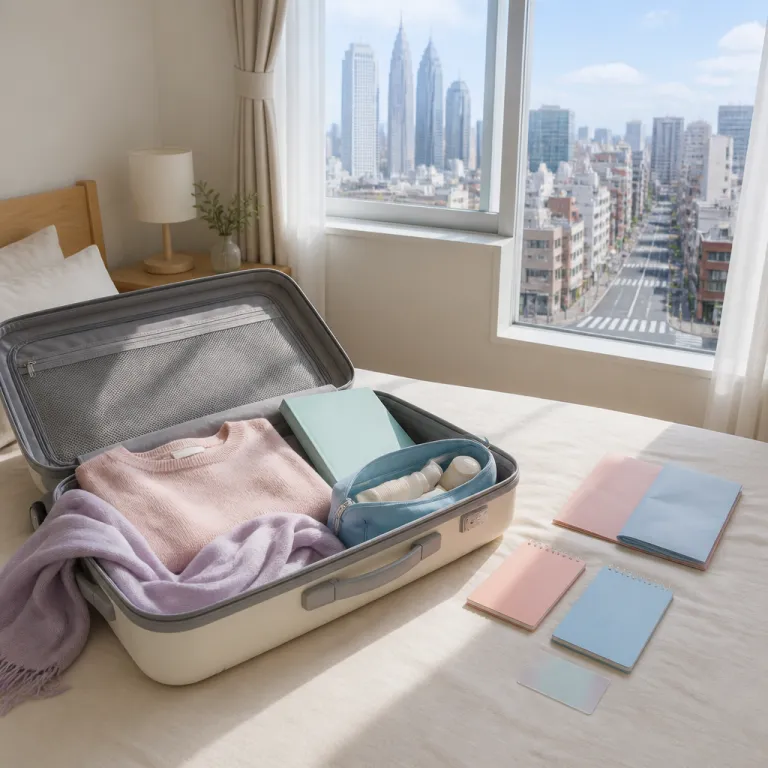
Tokyo Japan travel guide for choosing your Shinjuku or Shibuya base
Tokyo in Japan is a layered city where your chosen hotel area shapes every day of your trip. In this Tokyo Japan travel guide, Shinjuku and Shibuya emerge as the best twin hubs for travellers who want efficient transport, rich history culture, and effortless access to both neon nights and quiet gardens. When you base yourself in either district, you cut transit time, simplify every day trip, and unlock very different stories about the same metropolis.
Shinjuku is the western gateway of the city, anchored by Tokyo Metropolitan Government towers, Shinjuku Station, and a skyline that includes Park Hyatt Tokyo and other Hyatt Tokyo properties. Shibuya, by contrast, centres on the famous crossing, youth fashion, and quick access to Harajuku, Takeshita Street, and Yoyogi Park, making it a favorite base for a first stay in Japan. This guide Tokyo travellers use most often compares how each area feels at different times of day, and how those feelings translate into the right hotel choice for your own travel style.
For international visitors, both Shinjuku and Shibuya offer strong English support, from station signage to hotel front desks and restaurant menus. The Tokyo Metropolitan Government has invested heavily in multilingual information systems, so a first time trip through these stations is busy but rarely confusing. When you combine that infrastructure with clear travel stories like this guide, the city becomes less intimidating and more like a well organised island of neighbourhoods waiting to be explored.
Staying in Shinjuku: vertical skyline, Park Hyatt views, and quiet backstreets
Shinjuku is the city’s transport powerhouse, and any serious Tokyo Japan travel guide must treat it as more than just a station. The area around Tokyo Station may be the formal business core, but Shinjuku Station handles more passengers each day, which makes a hotel here ideal for rapid day trip plans across Japan. When you stay on the west side of the city in Shinjuku, you gain direct lines to Shibuya, Akihabara, and even Haneda Airport connections, all while sleeping above a forest of platforms.
High above this movement, Park Hyatt Tokyo remains one of the best known addresses in the area, with cinematic skyline views that stretch from the Tokyo Metropolitan Government towers to distant mountains. Other Hyatt Tokyo properties and international brands cluster nearby, offering a range of hotel styles for different budgets while keeping you close to Shinjuku Gyoen National Garden and its famous autumn leaves. Many travellers use this part of Shinjuku as their favorite base because they can walk from a calm hotel lobby to vibrant food drink alleys in just a few minutes.
On the ground, Shinjuku divides into distinct micro neighbourhoods that any careful travel guide should map clearly. The west side concentrates skyscrapers, corporate towers, and luxury hotel options, while the east side leans into entertainment, shopping, and late night street food. If you want a quieter stay in Tokyo but still need quick access to Shibuya, Harajuku, and Akihabara, choose a hotel slightly west of the station and treat the livelier east as your playground rather than your doorstep.
Shibuya and Harajuku: youth energy, Yoyogi Park calm, and fashion streets
Shibuya is where many visitors feel their trip to Tokyo in Japan truly begins, because the scramble crossing condenses the city’s energy into a single frame. A refined Tokyo Japan travel guide, however, looks beyond the crossing and evaluates Shibuya as a hotel area with its own rhythms, from commuter mornings to late night food drink scenes. When you stay in Shibuya, you gain walking access to Harajuku, Yoyogi Park, and Takeshita Street, which reduces your reliance on trains for some of the city’s best known sights.
Harajuku sits one stop from Shibuya on the JR Yamanote Line, yet the atmosphere changes dramatically from commercial towers to intimate lanes. Takeshita Street concentrates youth fashion, themed cafés, and colourful street food, while the nearby approach to Meiji Shrine offers a shaded path that feels far from the city. A good guide Tokyo visitors can trust will suggest booking a hotel between Shibuya and Harajuku if you want to balance nightlife, shopping, and easy access to the forested paths of Yoyogi Park.
Yoyogi Park itself becomes a favourite weekend destination, especially during cherry blossoms and the season of autumn leaves, when local residents gather for picnics and informal performances. From a Shibuya hotel, you can walk to the park in under thirty minutes, turning a simple stroll into a full day of urban and natural contrasts. This proximity makes Shibuya and Harajuku powerful bases in any travel guide, because they combine the best things Tokyo offers in a compact, walkable radius.
Access, airports, and moving between Shinjuku, Shibuya, and wider Tokyo
Efficient movement is the backbone of any serious Tokyo Japan travel guide, and Shinjuku and Shibuya excel here. Both districts sit on the JR Yamanote Line, which loops around central Tokyo Station, Akihabara, and other major hubs, making every day trip simpler. When you choose a hotel near either station, you reduce transfer time, minimise confusion, and keep more of your trip focused on experiences rather than logistics.
Haneda Airport is now the primary international gateway for many visitors to Japan, and its location south of the city favours Shibuya slightly for shorter transfer times. From Haneda Airport, you can reach Shibuya in around forty minutes via the Tokyo Monorail and JR lines, or by limousine bus that stops at major hotel clusters in both Shinjuku and Shibuya. A well designed travel guide will show both options, but for travellers with heavy luggage, direct buses to large hotels such as Park Hyatt Tokyo or other Hyatt Tokyo properties often feel like the best balance of comfort and cost.
Within the city, IC cards such as Suica and Pasmo turn the complex network into a simple tap in, tap out system. The Tokyo Metropolitan Government and Japan National Tourism Organization both recommend these cards in their official travel guide materials, because they work on metro lines, JR trains, and many buses. When you combine an IC card with clear English signage and station staff accustomed to international visitors, even a first time trip between Shinjuku, Shibuya, Akihabara, and Tokyo Station becomes straightforward.
Cultural layers near your hotel: museums, history, and everyday rituals
A thoughtful Tokyo Japan travel guide for hotel guests in Shinjuku and Shibuya must look beyond shopping and nightlife to the city’s quieter cultural depth. Within easy reach of both districts, you will find the Tokyo National Museum in Ueno, several major art museum spaces in Roppongi, and smaller galleries scattered across the city. Planning one day trip focused on history culture and another on contemporary art gives your stay Tokyo a satisfying narrative arc.
From Shinjuku, the Tokyo Metropolitan Government Building offers free observation decks, where you can trace your own movements across the city skyline. Many travellers pair this with a visit to a nearby art museum or to the national museum complex in Ueno, turning a single day into a journey from modern governance to ancient Japanese artefacts. A good guide Tokyo visitors can rely on will also highlight small rituals, such as buying a lucky cat figurine in a local shop or pausing at a neighbourhood shrine before a busy day.
Food drink culture forms another essential layer, and both Shinjuku and Shibuya excel in this respect. Narrow alleys like Omoide Yokocho in Shinjuku or Nonbei Yokocho in Shibuya specialise in grilled skewers and other street food, while department store basements offer refined bento and sweets. When you choose a hotel within walking distance of these areas, you can end each day of your trip with a short stroll, a shared plate, and new personal stories about your own relationship with Japanese cuisine.
Planning your days: sample itineraries from Shinjuku and Shibuya bases
Once you have chosen between a Shinjuku or Shibuya hotel, this Tokyo Japan travel guide can help you structure your time. From Shinjuku, one classic day trip combines an early visit to Meiji Shrine, a walk through Harajuku and Takeshita Street, and an evening return to Shinjuku for food drink in the small alleys. Another day might focus on Akihabara for electronics and anime culture, followed by a quiet evening in your favorite bar high above the city.
From Shibuya, you can design a different rhythm that still captures the best things Tokyo offers. Start with a morning coffee near the crossing, then walk to Yoyogi Park for a relaxed circuit before continuing to Harajuku and Omotesandō for design focused shopping and street food. In the afternoon, a short train ride takes you to Tokyo Station for its underground shopping streets, or onward to the national museum and art museum cluster in Ueno, before returning to Shibuya for a late dinner.
Across both bases, remember that Tokyo is part of a larger island nation, and regional day trip options such as Kamakura or Yokohama are easily reached from Shinjuku and Shibuya. The Japan National Tourism Organization often answers common questions in its materials, such as “What is the best time to visit Tokyo ?” and “Is Tokyo expensive for tourists ?”, and their responses align with the balanced approach in this travel guide. By combining official advice with your own priorities for history culture, food drink, and hotel comfort, you can turn a simple stay Tokyo into a sequence of personal memories that will shape how you remember Japan.
Key figures for planning a stay in Shinjuku and Shibuya
- Tokyo has a population of about 14 million residents in the 23 special wards according to recent Tokyo Metropolitan Government statistics, which means hotel demand in central areas like Shinjuku and Shibuya remains high throughout the year.
- The Japan National Tourism Organization reports tens of millions of annual visitors to Japan and many millions to Tokyo specifically, so booking a hotel near Shinjuku or Shibuya Station well in advance is wise during peak cherry blossom and autumn leaves seasons.
- Tokyo Metro operates more than 180 stations across the city, and both Shinjuku and Shibuya sit on multiple lines, giving hotel guests direct access to major sights without complex transfers.
- Official tourism timelines describe spring and autumn as the most comfortable periods for a trip, which aligns with when Yoyogi Park and other green spaces near Shibuya and Shinjuku are at their most attractive.
FAQ: practical questions for hotel guests in Shinjuku and Shibuya
What is the best time to visit Tokyo for a Shinjuku or Shibuya stay ?
Spring and autumn offer mild temperatures, clear skies, and seasonal highlights such as cherry blossoms and autumn leaves in parks near both districts. These seasons make walking between Shibuya, Harajuku, Yoyogi Park, and Shinjuku especially pleasant. Hotel rates can be higher, so early booking is recommended.
Is Tokyo expensive for tourists staying in Shinjuku or Shibuya ?
Costs vary widely, because both areas host everything from luxury properties like Park Hyatt Tokyo to more modest business hotels. You can control your budget by choosing set lunch menus, using IC cards for transit, and mixing street food with occasional fine dining. Many travellers find that careful planning keeps overall trip expenses manageable.
Do I need to speak Japanese to stay in Shinjuku or Shibuya hotels ?
Basic English is widely understood in major hotels, department stores, and transport hubs in both districts. Learning a few simple Japanese phrases for greetings and thanks will still improve interactions and show respect. Multilingual signage and translation apps bridge most remaining gaps.
What are must see attractions near Shinjuku and Shibuya hotels ?
From Shibuya, the crossing, Hachikō statue, Harajuku, Takeshita Street, and Yoyogi Park are all close. From Shinjuku, highlights include the Tokyo Metropolitan Government Building, Shinjuku Gyoen National Garden, and lively food drink alleys. Both districts offer fast connections to Meiji Shrine, Akihabara, and the national museum and art museum clusters elsewhere in the city.
How do I get from Haneda Airport to a hotel in Shinjuku or Shibuya ?
From Haneda Airport, you can take the Tokyo Monorail and transfer to JR lines, or use limousine buses that stop at major hotels in both districts. Shibuya usually involves a slightly shorter journey, while Shinjuku offers more direct bus stops for large properties. Taxis are convenient but significantly more expensive than rail or bus options.
Trusted references for further planning
- Tokyo Metropolitan Government official tourism information
- Japan National Tourism Organization official travel guide resources
- Tokyo Metro network maps and station guides