Tokyo Japan travel guide to choosing your ideal Shinjuku or Shibuya base
Tokyo in Japan rewards careful planning when you choose where to stay. This Tokyo travel guide focuses on Shinjuku and Shibuya because these districts shape the rhythm of your trip and define how you experience the city. For a first stay, Tokyo often works best when you anchor yourself near a major station and then use this guide to branch out to other areas.
Shinjuku is the transport heart of Tokyo city life and a strategic place for any travel focused on easy rail access. From Shinjuku Station you can reach Shibuya, Harajuku, Akihabara and Tokyo Station in minutes, which makes day trip planning and late night returns far simpler for international visitors. Many Japanese and English signs converge here under the supervision of the Tokyo Metropolitan Government, and that multilingual infrastructure quietly supports every map, app and travel guide you will use during your stay.
Shibuya offers a different energy and is often the favorite area for younger travelers and creative professionals. Around Shibuya Crossing you find dense clusters of food and drink options, from standing street food counters to refined cocktail bars that stay open late. This part of Tokyo feels like a compact island of nightlife within the wider city, and a well located hotel here can turn every day into an effortless evening walk rather than a long commute.
Understanding Shinjuku stays: skyscrapers, Park Hyatt, and quiet corners
Shinjuku divides naturally into several micro neighborhoods that matter when you book a hotel. West Shinjuku is the high rise business district where Park Hyatt Tokyo and other Hyatt Tokyo properties sit among office towers, and this area suits travelers who want calm streets at night and fast limousine bus access to Haneda Airport. East Shinjuku is busier and more neon lit, which can be the best match if you want late food and drink choices and easy walks to entertainment.
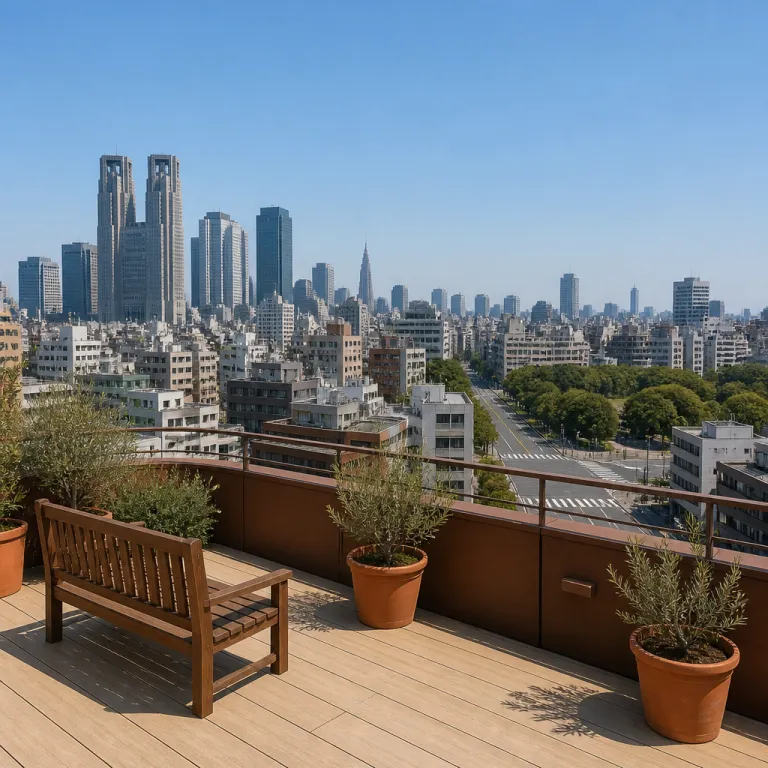
For a Tokyo hotel guide focused on comfort, West Shinjuku stands out because rooms in Park Hyatt and similar hotels often have larger floor plans than those in denser parts of the city. You wake to skyline views of the Tokyo Metropolitan Government Building and on clear days you may even glimpse Mount Fuji, which turns an ordinary stay in Tokyo into a memorable trip. From this base you can reach the national museum district in Ueno or any major art museum by direct JR lines from Shinjuku Station, saving both time and mental energy.
Travelers who prefer a more local feel sometimes choose the quieter north or south Shinjuku area streets. Here smaller Japanese business hotels and international chains sit near pocket parks and casual street food stalls, which makes it easy to grab a quick breakfast before a full day of things Tokyo such as visiting Yoyogi Park or exploring Akihabara. When you compare options, West Shinjuku with Park Hyatt Tokyo is better for space and serenity while east and south Shinjuku excel at nightlife access and shorter walks to everyday conveniences.
Shibuya and Harajuku: creative stays near Yoyogi Park and Takeshita Street
Shibuya hotels place you inside one of Japan’s most filmed cityscapes, where the scramble crossing pulses from early morning until late night. A Tokyo Japan travel guide for style conscious guests often points toward this area because it balances transport convenience with a strong sense of neighborhood identity. From Shibuya Station you can walk to Harajuku, Yoyogi Park and even the edge of Shinjuku, turning a single day into a layered journey through different stories and perspectives on Tokyo.
Harajuku is famous for Takeshita Street, a narrow lane where Japanese youth fashion, themed cafés and playful street food stands compete for your attention. Staying near here works best if you enjoy people watching and want quick access to both Yoyogi Park’s greenery and Omotesandō’s more refined shopping avenues. Hotels in this area range from compact business properties to design forward addresses, and many staff speak English fluently, which helps first time visitors navigate everything from IC cards to restaurant reservations.
Shibuya itself has become a vertical city within the city, with new towers such as Shibuya Scramble Square stacking offices, restaurants and hotels above the tracks. Choosing a hotel inside one of these complexes shortens your transfer time from Haneda Airport and Tokyo Station because you can move between platforms, check in and find food and drink options without ever leaving the building. On one recent trip, stepping out of the Shibuya Station Hachikō Exit and walking straight into a connected hotel lobby made the journey from train to check in feel like a five minute glide instead of a long search through side streets.
Practical planning: transport, language, and timing your Tokyo stay
Any serious Tokyo Japan travel guide must address how you move through the city and how long you should stay. Shinjuku and Shibuya both sit on the JR Yamanote Line, which loops around central Tokyo Station, Ueno, Akihabara and Shinagawa, so basing yourself here reduces transfer time for almost every trip. Purchase an IC card such as Suica or Pasmo on arrival, because tapping in and out of trains and buses turns complex journeys into a simple habit.
When you plan your stay in Tokyo, think in full day blocks rather than scattered hours. One day trip might focus on history and culture, with a morning at the Tokyo National Museum in Ueno, an afternoon at a nearby art museum and an evening return to Shinjuku for dinner near your hotel. Another day could revolve around modern pop culture, starting in Akihabara for electronics and anime, then shifting to Shibuya and Harajuku for fashion, street food and late night views from a rooftop bar.
Language rarely becomes a barrier in Shinjuku or Shibuya because many signs appear in both Japanese and English and staff in larger hotels are used to international guests. The Japan National Tourism Organization and the Tokyo Metropolitan Government have invested heavily in multilingual signage and digital tools, and this innovation supports every travel guide and Tokyo resource you will consult. Still, learning a few Japanese phrases adds warmth to your interactions and turns routine transactions into small moments of connection during your trip.
Seasonal highlights: autumn leaves, city parks, and cultural depth
Timing your visit shapes the character of your Tokyo Japan travel guide experience more than many travelers expect. Spring brings cherry blossoms to parks across Tokyo Japan, while autumn leaves transform places like Shinjuku Gyoen and the tree lined paths of Yoyogi Park into quiet escapes from the city’s vertical intensity. The Tokyo Metropolitan Government notes that Tokyo’s population now exceeds 14 million residents, so these green spaces matter when you want a slower day between museum visits and shopping.
From a Shinjuku base you can walk to Shinjuku Gyoen National Garden, where Japanese, French and English landscape styles sit side by side. This is one of the best places in the city to feel the passing of seasons, whether you are watching autumn leaves drift across ponds or spring petals gather along the paths. From Shibuya or Harajuku, Yoyogi Park offers a more informal atmosphere, with weekend performers, picnics and occasional festivals that add new layers to your own stories of Tokyo.
Cultural depth lies not only in major national museum collections but also in smaller art museum spaces scattered across the city. A well planned stay in Tokyo might pair a morning at the Tokyo National Museum with an afternoon at a contemporary art museum in Roppongi, then a quiet evening drink back at Park Hyatt or another Hyatt Tokyo property overlooking the lights. By aligning your hotel choice with the seasonal rhythm of the city, you turn each day trip into a coherent narrative rather than a checklist of things Tokyo to rush through.
Food, drink, and everyday rituals around your Shinjuku or Shibuya hotel
Where you sleep in Tokyo Japan will strongly influence how you eat and unwind. Around Shinjuku Station, narrow alleys such as Omoide Yokochō and the streets east of the tracks offer some of the best casual food and drink experiences, from yakitori skewers to steaming bowls of ramen. These lanes also hide small bars where a lucky cat figurine might greet you at the door, and such details become part of the personal travel guide you carry home in memory.
Shibuya and Harajuku lean more toward experimental cafés, dessert stands and global flavors, which can be ideal if you enjoy grazing on street food between shopping stops. Takeshita Street is famous for crepes and colorful snacks, while the backstreets toward Omotesandō hide quieter coffee shops where you can pause and plan the next day trip. Choosing a hotel within a short walk of these clusters means you can adapt each day’s rhythm to your energy level without sacrificing variety.
For many travelers the best evenings unfold close to their stay in Tokyo base rather than across town. Guests at Park Hyatt Tokyo or other Hyatt Tokyo properties often enjoy starting with a drink in a high floor bar, then descending to explore nearby izakaya before returning to their room. Whether your favorite ritual becomes a morning walk through a park, a nightly stop at a convenience store or a conversation with a hotel concierge, these small patterns turn a large city into a familiar island of routine.
Key figures for planning your Tokyo hotel stay
- Tokyo’s population is around 14 million residents according to the Tokyo Metropolitan Government, which means central areas such as Shinjuku and Shibuya feel busy at peak times but also support extensive hotel and transport infrastructure.
- Japan National Tourism Organization data indicates that Tokyo welcomes roughly 15 million visitors per year, so booking your preferred hotel near Shinjuku Station or Shibuya Station well in advance is wise during cherry blossom and autumn leaves seasons.
- Public transport covers most of the city, with metro, JR trains and buses forming a dense network that allows typical cross city journeys between Shinjuku, Shibuya and Tokyo Station in under 30 minutes.
- Seasonal patterns matter for comfort, with spring from March to May and autumn from September to November generally offering the most pleasant temperatures for walking between your hotel, parks and museums.
FAQ: planning a Shinjuku or Shibuya stay in Tokyo
What is the best time to stay in Tokyo for sightseeing?
Spring from March to May and autumn from September to November usually provide mild weather, clear skies and seasonal highlights such as cherry blossoms and autumn leaves. These periods are ideal if you plan to walk between Shinjuku, Shibuya, Yoyogi Park and major museums. Summer can feel hot and humid, while winter brings crisp air and evening illuminations that some travelers also enjoy.
Is Tokyo an expensive city for hotel stays?
Tokyo offers a wide range of hotel prices, from efficient business hotels near Shinjuku Station to luxury properties such as Park Hyatt Tokyo. Costs rise during peak seasons and around major holidays, so flexible dates and early booking usually secure better value. Staying slightly away from the busiest station exits can also reduce rates while keeping you within easy walking distance of transport.
Do I need to speak Japanese to stay in Shinjuku or Shibuya?
Basic English is widely understood in larger hotels, major shops and many restaurants in Shinjuku and Shibuya. The Japan National Tourism Organization and Tokyo Metropolitan Government support multilingual signage, so you will see English on trains, maps and key public notices. Learning a few Japanese greetings and polite phrases still enhances interactions and shows respect for local culture.
How do I reach Shinjuku or Shibuya from Haneda Airport?
From Haneda Airport you can take the Tokyo Monorail to Hamamatsuchō and transfer to the JR Yamanote Line for Shibuya or Shinjuku, or use direct limousine buses that stop at major hotels such as Park Hyatt Tokyo. Travel time usually ranges from about 35 to 50 minutes by train and 40 to 70 minutes by bus depending on traffic and connections. Using an IC card like Suica simplifies transfers between trains and buses during your trip.
Which area is better for a first stay, Shinjuku or Shibuya?
Shinjuku is better if you prioritize rail connections, a wide choice of hotels and easy access to other districts such as Akihabara and Tokyo Station. Shibuya excels if you want to be surrounded by nightlife, shopping and quick walks to Harajuku, Takeshita Street and Yoyogi Park. Both areas work well for a first visit, so your decision should reflect whether transport convenience or neighborhood atmosphere matters more to you.
References
- Tokyo Metropolitan Government
- Japan National Tourism Organization
- Tokyo National Museum