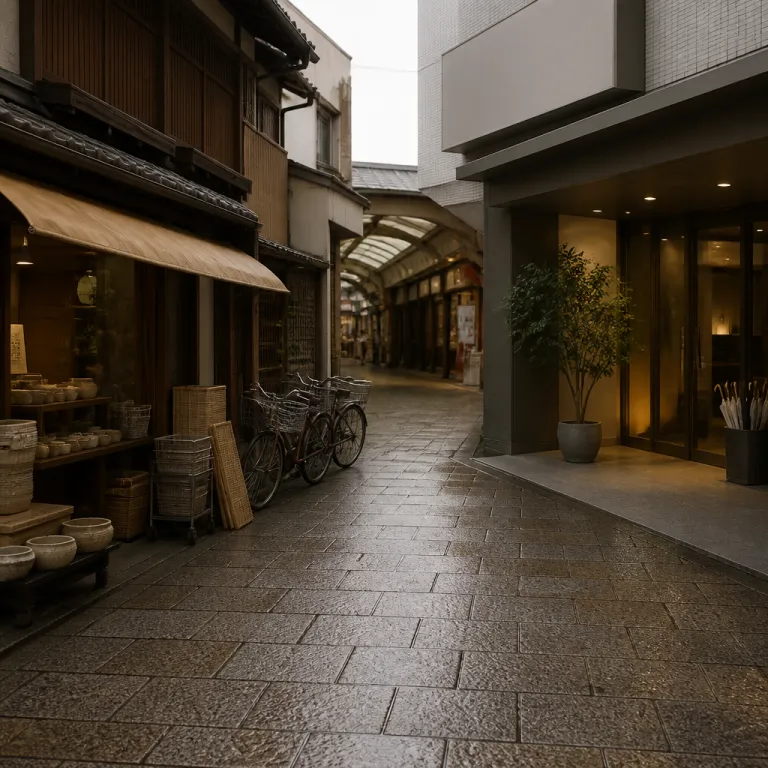
Tokyo shopping districts explained for hotel planning
Tokyo is a layered city where every shopping street tells a different story. When you are choosing a hotel in Tokyo, understanding how each district shapes your day can be as important as room size or breakfast. This guide offers tokyo shopping districts explained in practical terms so you can match your stay to the streets you most want to walk.
Across the city Tokyo counts at least 13 recognised shopping districts, and each area has a distinct mix of fashion, food, and culture that will influence where you should sleep. If you stay near a major station such as Tokyo Station, Shinjuku Station, or Shibuya Station, you will find that most key shopping streets are within a 10 to 20 minute walk or a short train ride, which keeps transfers simple after long days in the shops. Think of your hotel as a base camp for shopping Tokyo rather than just a place to drop your bags.
For travellers focused on tokyo shopping, the best approach is to decide which shopping districts you want to prioritise before you book. Some guests prefer the refined streets of Ginza, while others want the neon energy of Shibuya City or the youth culture of Harajuku and its side streets. Once you know your preferred district or two, you can compare hotels by their walking distance to the main shopping streets and by how easy it is to reach other areas such as Asakusa or Akihabara.
Ginza and Tokyo Station area: luxury streets and classic department stores
Ginza is Tokyo’s emblematic luxury shopping district, and it suits travellers who want refined streets, calm evenings, and easy access to landmark department stores. Here you will find historic Japanese department store names such as Mitsukoshi and Matsuya alongside international fashion houses, all arranged along wide shopping streets that feel almost European in scale. Many visitors consider Ginza the best area when they want both high end shops and quick access to cultural sights near the Imperial Palace.
Hotels around Ginza and Tokyo Station work well if you value convenience for both shopping and transport in Japan. From this district you can walk in about 10 to 15 minutes between Ginza’s main shopping street and Tokyo Station, where underground passages connect directly to several department stores and mid range shopping malls. This makes it easy to return to your room for a short rest, then head back out to the shops or take a train to other districts in Tokyo such as Shinjuku or Akihabara.
Ginza is also strong for tax free shopping, with many stores clearly displaying tax free counters and multilingual staff. If you prefer traditional Japanese craftsmanship, you will find speciality shops selling lacquerware, ceramics, and fine stationery alongside contemporary fashion stores. For hotel guests, this mix means you can spend a full day shopping Tokyo without leaving the area, then enjoy quiet streets once the day visitors have gone.
Shibuya and Harajuku: youth fashion, pop culture, and second hand finds
Shibuya is the heart of youth fashion in city Tokyo, and it appeals to travellers who want energy from morning to late night. Around Shibuya Station and across Shibuya City you will find dense clusters of fashion stores, music shops, and cafés, all feeding into a pop culture scene that feels constantly in motion. The percentage of youth fashion stores in Shibuya reaches about 60 %, which makes this district ideal if your hotel stay revolves around clothing, sneakers, and street style.
Harajuku sits one stop from Shibuya Station on the JR Yamanote Line, and many guests choose a hotel that allows them to walk between the two areas. Takeshita Dori in Harajuku is a narrow shopping street famous for colourful fashion, crepe stands, and small shops that specialise in Japanese pop culture, while the nearby Omotesando avenue offers more mid range and premium fashion brands. If you stay within a 10 minute walk of either station, you will find it easy to move between Shibuya’s big shopping streets and Harajuku’s side alleys filled with second hand and vintage stores.
For travellers who value second hand fashion, this part of Tokyo offers some of the best density of curated vintage shops in Japan. You will find second hand denim, designer pieces, and niche streetwear scattered through the back streets, often in buildings that also host small cafés or record stores. When comparing hotels, look for properties that sit between Shibuya and Harajuku so you can reach both districts on foot and still ride quickly to Ginza, Shinjuku, or Asakusa.
Shinjuku and Akihabara: all round shopping and electronics culture
Shinjuku is one of the most versatile shopping districts in Tokyo, and it suits travellers who want variety more than a single theme. Around Shinjuku Station you will find large department stores, mid range fashion chains, specialist camera shops, and underground malls, all connected by a web of shopping streets that stay busy late into the evening. Many hotels here sit within a 5 to 10 minute walk of major stores, which keeps your daily walking distances manageable even after long days in the city.
Akihabara, by contrast, is the centre of electronics and otaku pop culture in Japan, and it attracts guests who prioritise gadgets, anime, and gaming. The streets around Akihabara Station are lined with multi level stores selling computers, components, and tax free electronics, alongside shops dedicated to manga, figurines, and Japanese pop culture cafés. If you stay in this district you will find that most of your shopping Tokyo time can be spent within a compact area, which is convenient if you are carrying heavy bags or planning multiple visits to the same stores.
For hotel selection, Shinjuku works well if you want an all round base with easy trains to every other district, while Akihabara is better if your main goal is electronics and character goods. Both areas offer a mix of mid range and higher end hotels, and many properties highlight their proximity to key shopping streets in their descriptions. When you compare options, check walking times to the nearest department store and note whether the route stays lively at night, as this can affect how comfortable you feel returning with your shopping.
Asakusa, traditional Japanese streets, and how they shape your stay
Asakusa offers a different side of Tokyo shopping, centred on traditional Japanese crafts and temple streets rather than glass towers. Around Senso ji Temple you will find Nakamise shopping street, where stalls sell sweets, fans, yukata, and souvenirs that reflect older city traditions. Travellers who choose a hotel in this area often value atmosphere and history as much as the shops themselves.
While Asakusa does not have the same density of department stores as Ginza or Shinjuku, it connects easily by train to those districts in Tokyo, which makes it a good base if you want contrast. You can spend the morning on a traditional Japanese shopping street, then ride about 20 to 30 minutes to Ginza or Shibuya Station for modern fashion and larger stores. Many hotels here are within a short minute walk of the main temple area, so you will find it easy to step out early before the crowds and then move on to other shopping districts later in the day.
Guests who stay in Asakusa often combine shopping with visits to the nearby Sumida River and views of Tokyo Skytree, then plan a half day in Ginza or Shinjuku for more contemporary fashion. This balance works well if you want both cultural depth and access to the best shopping Tokyo can offer, without sleeping in the busiest parts of the city. When you read hotel descriptions, look for mentions of direct trains to Tokyo Station or Shibuya City, as these links make it easier to reach multiple shopping streets during a short stay.
Practical tips: tax free shopping, mid range budgets, and hotel location
For many visitors, tax free shopping is a key part of planning both purchases and hotel location in Japan. In major districts such as Ginza, Shinjuku, Shibuya, and Akihabara, many department stores and electronics shops offer tax free counters where you can process refunds on the same floor as the cash registers. To use these services efficiently, it helps to stay near a district where you will find several eligible stores within a short walking radius.
Travellers with mid range budgets often choose hotels slightly off the main shopping street while staying within a 10 to 15 minute walk of the busiest area. This approach works well in Shibuya City, Shinjuku, and near Tokyo Station, where room rates drop once you move a few streets away from the central station exits. You still gain quick access to the best shopping streets and department store basements for food, but you avoid the highest prices and some of the late night noise.
When comparing hotels online, pay close attention to walking times given in minutes, and cross check them on a map to see which shopping districts are realistically reachable on foot. A property that sits a 5 minute walk from a major station can save you time every day, especially if you plan to carry bags from stores back to your room more than once. Remember simple advice that applies across the city: carry some cash because not all shops accept cards, visit on weekdays to avoid crowds, check tax free shopping options, wear comfortable shoes for walking, and learn basic Japanese phrases for shopping.
How shopping districts influence sightseeing, from the Imperial Palace to pop culture hubs
Choosing a hotel near the right shopping districts also shapes how easily you can reach Tokyo’s main sights. Guests who stay near Tokyo Station or Ginza, for example, are a short ride or pleasant walk from the Imperial Palace area, while still being surrounded by department stores and fashion shops. This combination suits travellers who want both cultural visits and high end shopping Tokyo experiences in the same day.
If your interests lean towards pop culture, staying near Shibuya Station, Harajuku, or Akihabara keeps you close to the most relevant streets and stores. In these districts you will find themed cafés, anime shops, music stores, and second hand fashion outlets that reflect contemporary Japanese pop culture, all within compact areas that reward walking. Hotels here often highlight their distance in a simple minute walk from the nearest station exit, which is a useful metric when you plan late night returns.
For travellers who want tokyo shopping districts explained in terms of both retail and sightseeing, a multi night stay split between two districts can work very well. You might spend a few nights near Ginza or Tokyo Station for easy access to the Imperial Palace and classic department stores, then move to Shibuya City or Shinjuku for nightlife, youth fashion, and denser shopping streets. This strategy lets you experience different faces of city Tokyo without long daily commutes, and it ensures you will find the best mix of shops, restaurants, and transport for your style of travel.
Key figures that frame Tokyo’s shopping landscape
- The Tokyo Metropolitan Government recognises around 13 major shopping districts across the city, which means hotel guests can choose from many distinct areas rather than a single central zone (Tokyo Metropolitan Government, tourism statistics, 2023).
- Ginza welcomes about 20 million visitors each year according to its official promotional bodies, underlining why hotels near this district remain in high demand among travellers focused on shopping (Ginza official tourism information, 2022).
- In Shibuya, roughly 60 % of retail outlets in core streets are youth fashion stores, based on data from the Shibuya City Office, which explains the district’s strong appeal for style conscious guests (Shibuya City Office retail data, 2021).
FAQ: planning your hotel stay around Tokyo shopping districts
What is the best time to shop in Tokyo if I stay near major districts ?
Weekdays are less crowded; mornings are ideal. If your hotel is close to a major station such as Shinjuku or Shibuya, you can take advantage of quieter early hours in the shops before tour groups arrive. This timing also leaves afternoons free for sightseeing or returning to your room to rest.
Are there tax free shopping options in all main districts ?
Yes, many stores offer tax free shopping for tourists. You will find tax free counters in large department stores, electronics chains in Akihabara, and fashion stores in Shibuya, Shinjuku, and Ginza. When booking a hotel, staying near one of these clusters makes it easier to complete all your tax free purchases in a single outing.
Is English widely spoken in Tokyo shops near popular hotels ?
In major districts, staff often speak basic English. This is especially true around Tokyo Station, Ginza, Shibuya, Shinjuku, and Akihabara, where many international visitors stay in nearby hotels. In smaller traditional Japanese shops, simple phrases and gestures still go a long way, so learning a few words can enhance your experience.
What is unique about Harajuku fashion compared with other districts ?
It features eclectic, youth-driven street styles. Around Takeshita Dori and the surrounding streets you will find independent shops, second hand stores, and brands that lean heavily into Japanese pop culture. Staying in a hotel between Harajuku and Shibuya gives you easy access to both experimental fashion and more mainstream shopping streets.
Can I find traditional crafts in Tokyo without staying far from central districts ?
Yes, areas like Asakusa specialize in traditional goods. From hotels near Tokyo Station or Ginza you can reach Asakusa in around 20 to 30 minutes by train, then walk its shopping streets for crafts, textiles, and souvenirs. This makes it possible to combine classic sightseeing with modern shopping districts in a single stay.
Sources
Tokyo Metropolitan Government tourism statistics (2023); Ginza official tourism information (2022); Shibuya City Office retail data (2021).