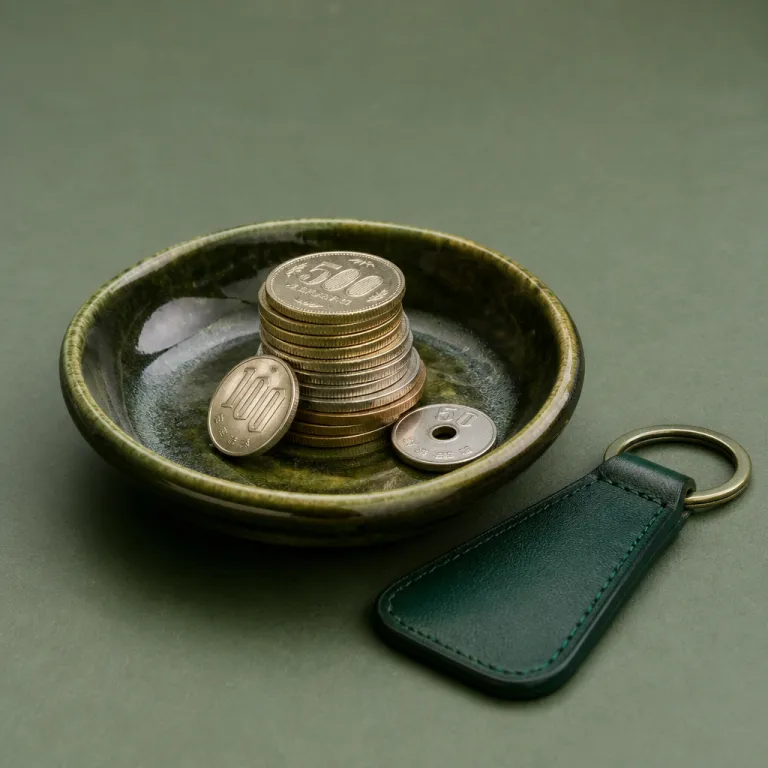
Understanding tokyo travel cost per day for hotel‑focused stays
Tokyo rewards careful planning, and understanding your tokyo travel cost per day is the first step. For most travelers planning a hotel‑focused trip to Japan, a realistic daily budget ranges from about ¥10,000 for strict budget travelers to around ¥30,000 for those seeking more comfort and style. These figures for each cost day in Tokyo reflect typical spending patterns reported by the Tokyo Convention & Visitors Bureau and recent Japan travel surveys compiled in 2023–2024.
The Tokyo Convention & Visitors Bureau’s 2023 model itineraries and visitor statistics highlight “around ¥10,000 per day” as a common benchmark for budget visitors in central Tokyo, while several Japan travel cost studies place mid‑range spending near ¥20,000 and higher‑end days around ¥30,000. When you translate these ranges into a hotel‑centric Japan trip, accommodation usually absorbs 40 to 60 percent of your total costs, with meals, transport, and attractions sharing the rest. This 40–60 percent share comes from comparing typical nightly room rates with average daily spending on food, local transport, and sightseeing reported in 2023–2024 survey samples of international visitors. That means your personal Japan cost per day in Tokyo will depend heavily on whether you choose capsule hotels, business hotels, or more upscale properties.
For a pure budget day in Tokyo, expect to allocate roughly ¥4,000 to ¥6,000 to accommodation, ¥2,000 to ¥3,000 to food, and the remaining amount to transport and attractions. Travelers aiming for a mid‑range experience in well‑located hotels often spend closer to ¥10,000 to ¥12,000 on their room alone, then layer meals and activities on top. Understanding how you personally like traveling — whether you linger in your hotel or spend the day in Tokyo mostly outside — will shape how you distribute each yen.
Hotel categories in Tokyo and how they shape your daily budget
Tokyo offers a dense spectrum of accommodation, and each category changes your tokyo travel cost per day in distinct ways. At the most affordable end, capsule hotels and simple hostels allow budget travelers to sleep centrally for as little as ¥3,000 to ¥5,000 per night, which keeps the overall cost spend per day surprisingly low. These capsule hotels are ideal if you treat your hotel as a place to shower and sleep rather than as a destination in itself.
Business hotels form the backbone of mid‑range accommodation in Japan, especially around major Tokyo Metro and JR hubs like Shinjuku, Tokyo Station, and Shinagawa. A typical business hotel room in a well‑located area costs between ¥7,000 and ¥12,000 per night, which places your total cost day in Tokyo firmly in the mid‑range bracket once you add meals and transport. For instance, early‑2024 price checks show basic double rooms at chains such as APA Hotel Shinjuku Gyoemmae or Tokyu Stay Shinjuku often listed around ¥9,000 to ¥11,000 on weeknights outside peak holidays. Many travelers consider these business hotels the best budget compromise because they offer private bathrooms, reliable Wi‑Fi, and compact but efficient rooms.
Above that, full‑service hotels and international chains can push your Japan cost per day in Tokyo to ¥25,000 or more, particularly during cherry blossom season or Golden Week. Properties like Hotel Gracery Shinjuku or mid‑range rooms at Keio Plaza Hotel Shinjuku, for example, were commonly priced from about ¥18,000 to ¥25,000 per night in spring 2024, with higher rates on weekends and holidays. These properties appeal to travelers who value space, on‑site dining, and concierge services, and who are comfortable with more expensive nightly rates. When planning a longer trip to Japan that includes both Tokyo and Kyoto, some travelers deliberately alternate between mid‑range business hotels in Tokyo and slightly cheaper accommodation in Kyoto to balance the overall Japan trip budget.
Breaking down daily costs : accommodation, food, and transport
Once you have chosen your preferred hotel style, it becomes easier to calculate your tokyo travel cost per day across all categories. For a realistic budget day, think in three pillars: accommodation, meals, and movement, with attractions layered on top according to your interests. This structure helps travelers compare different hotels and neighborhoods in Tokyo based on how much they will actually spend day by day.
Accommodation remains the anchor, whether you choose capsule hotels, compact business hotels, or more spacious mid‑range properties. Food in Tokyo can be as budget‑friendly or as expensive as you wish, with convenience store breakfasts from around ¥300, ramen lunches near ¥900, and izakaya dinners ranging from ¥1,500 to ¥3,000 per person, so your food costs can easily double if you chase high‑end meals. Transport on the Tokyo Metro and JR lines usually adds ¥600 to ¥1,000 per day in Tokyo for most travelers, assuming you cluster attractions by area and avoid unnecessary backtracking.
Attractions themselves vary widely in cost, from free shrines and public gardens to paid observatories and museums that charge between ¥700 and ¥3,000. A carefully planned Japan travel day might include one paid attraction and several free sights, keeping your total cost spend under control. When you repeat this pattern across a full trip to Japan, you will see how small daily decisions about meals and activities influence your overall Japan cost more than the hotel rate alone.
Seasonality, neighborhoods, and how timing affects your hotel budget
Timing your trip to Japan is just as important as choosing the right hotel when you calculate tokyo travel cost per day. During cherry blossom season and Golden Week, demand for hotels surges, and even basic business hotels can feel surprisingly expensive compared with quieter months. Travelers who can shift their dates by a week or two often see a noticeable drop in both accommodation and flight costs.
Neighborhood choice also shapes your daily budget, especially when you factor in the Tokyo Metro and JR network. Staying in a well‑located area such as Ueno, Asakusa, or Ikebukuro can reduce both your transport costs and the time you spend day after day commuting to major attractions. As a concrete example, recent 2024 price checks show capsule beds in Asakusa from about ¥3,500 per night and standard business hotel rooms in Ikebukuro starting near ¥8,000, while similar rooms in Shinjuku often run several thousand yen higher.
By contrast, staying in ultra‑central or luxury‑focused districts like Ginza or Roppongi can raise your Japan cost per day in Tokyo significantly, even if you rarely use taxis. Some travelers choose a split stay, beginning with a few nights in a best budget capsule hotel near a major station, then upgrading to a mid‑range hotel for the final nights of their Japan trip. This strategy keeps the overall cost day manageable while still allowing a taste of different sides of Tokyo.
Sample daily budgets : from best budget stays to comfortable mid range
To translate theory into practice, it helps to look at sample itineraries that show tokyo travel cost per day in concrete terms. A strict budget travelers scenario might involve a capsule hotel at ¥4,000, three simple meals totaling ¥2,000, Tokyo Metro and JR rides at ¥800, and one paid attraction at ¥1,200, bringing the total cost spend to around ¥8,000. This kind of budget day is realistic for solo travelers who prioritize experiences over hotel amenities.
A more comfortable mid‑range day in Tokyo could feature a well‑located business hotel at ¥10,000, a café breakfast, ramen lunch, and izakaya dinner totaling about ¥4,000, plus ¥1,000 for transport and ¥2,000 for attractions, resulting in a cost day of roughly ¥17,000. Many travelers on a longer Japan trip between Tokyo, Kyoto, and Osaka aim for this mid‑range level, as it balances comfort with financial control. Couples often find that sharing a mid‑range hotel room brings the per person Japan cost down close to the best budget solo scenario.
For those planning a special trip to Japan, perhaps timed with cherry blossom season, a higher‑tier day might include a stylish hotel at ¥20,000, elevated meals at ¥6,000, and premium attractions or evening experiences at ¥4,000. That pushes the total Japan travel cost per day toward ¥30,000, which aligns with the upper‑range benchmarks cited in recent Japan travel cost reports. The key is to decide which days of your Japan trip deserve this higher spend day profile and which can comfortably remain in the mid‑range or budget tiers.
Practical strategies to control your tokyo travel cost per day
Once you understand the numbers, you can start using practical strategies to keep your tokyo travel cost per day aligned with your goals. Booking early for peak periods such as cherry blossom season and Golden Week is essential, especially for popular capsule hotels and business hotels near major stations. Flexible travelers who avoid these peak windows often secure the best budget rates without sacrificing location.
Using IC cards on the Tokyo Metro and JR lines streamlines your movement and makes it easier to track your daily transport costs. Many travelers build a personal travel guide style spreadsheet that lists expected accommodation, meals, and attractions for each day in Tokyo, then compare the planned cost spend with actual receipts. This habit quickly reveals whether your Japan cost per day in Tokyo is drifting upward because of unplanned snacks, extra drinks, or spontaneous ticketed experiences.
Finally, consider structuring your Japan travel so that high‑cost days are balanced by lighter ones, especially on a longer route that includes both Tokyo, Kyoto, and regional cities. You might spend day one on paid observatories and fine dining, then design the next budget day around free parks, low‑cost food, and a simple hotel. Over the full Japan trip, this rhythm keeps your average cost day sustainable while still allowing standout memories.
Key figures for planning your daily Tokyo budget
- Average daily budget for budget travelers in Tokyo is approximately ¥10,000 per person, according to guidance from the Tokyo Convention & Visitors Bureau (2023), which typically covers a capsule hotel, simple meals, and basic transport.
- Average daily budget for mid‑range travelers is around ¥20,000 per person, based on 2023–2024 Japan travel cost surveys, reflecting a private room in a business hotel, varied meals, and one or two paid attractions.
- Average daily budget for luxury‑oriented travelers reaches approximately ¥30,000 per person in central Tokyo, which usually includes an upscale hotel, premium dining, and higher‑priced experiences.
- Accommodation often represents 40 to 60 percent of total tokyo travel cost per day, meaning that choosing between capsule hotels and mid‑range business hotels has more impact than trimming small food expenses.
- Typical daily transport spending on the Tokyo Metro and JR lines ranges from ¥600 to ¥1,000 for most visitors, assuming they cluster attractions by neighborhood rather than crossing the city repeatedly.
FAQ : tokyo travel cost per day for hotel focused stays
What is the average daily cost for a budget traveler in Tokyo
The average tokyo travel cost per day for a budget traveler is about ¥10,000, which usually covers a capsule hotel bed, three simple meals, local Tokyo Metro transport, and at least one modestly priced attraction. This figure aligns with guidance from the Tokyo Convention & Visitors Bureau and reflects typical spending patterns in central districts. Travelers who cook occasionally or choose more free attractions can reduce this budget day slightly.
How much should a mid range traveler budget per day in Tokyo
A realistic cost day for a mid‑range traveler in Tokyo is around ¥20,000, including a private room in a business hotel, varied meals, and a mix of free and paid attractions. This level of spending allows you to stay in well‑located neighborhoods and rely on the Tokyo Metro without feeling constrained. Many visitors on a multi‑city Japan trip between Tokyo, Kyoto, and other destinations use this mid‑range benchmark for planning.
How expensive is accommodation compared with food and transport
Accommodation usually takes the largest share of your tokyo travel cost per day, often double what you spend on food and several times your transport costs. While meals and attractions are flexible, the nightly hotel rate is fixed, so choosing between capsule hotels, business hotels, and higher‑tier properties has the biggest impact. For most travelers, adjusting hotel expectations is the fastest way to reach a best budget that feels sustainable.
Does seasonality like cherry blossom and Golden Week change daily costs
Yes, peak seasons such as cherry blossom and Golden Week can raise hotel prices by 20 to 50 percent, which pushes your overall Japan cost per day in Tokyo higher even if you keep food and attractions unchanged. Budget travelers who visit just before or after these periods often enjoy similar weather and scenery at lower accommodation costs. If your dates are fixed, booking early and considering slightly less central but still well‑located areas can soften the impact.
Is Tokyo more expensive than Kyoto for daily travel costs
Tokyo tends to have higher hotel rates than Kyoto, especially near major business districts and transport hubs, which increases your tokyo travel cost per day compared with a typical day in Kyoto. However, food and local transport costs are broadly similar between the two cities, so the main difference lies in accommodation. Many travelers balance their overall Japan travel budget by spending more nights in Kyoto or other cities after a shorter, higher‑cost stay in Tokyo.
Sources
Tokyo Convention & Visitors Bureau (2023–2024 visitor statistics, model budgets, and sample daily spending breakdowns); aggregated Japan travel cost surveys and price checks conducted in 2023–2024, including sample nightly rates for capsule hotels and business hotels in central Tokyo neighborhoods; published fare tables from JR East and Tokyo Metro for typical urban journeys and average daily IC card usage patterns.