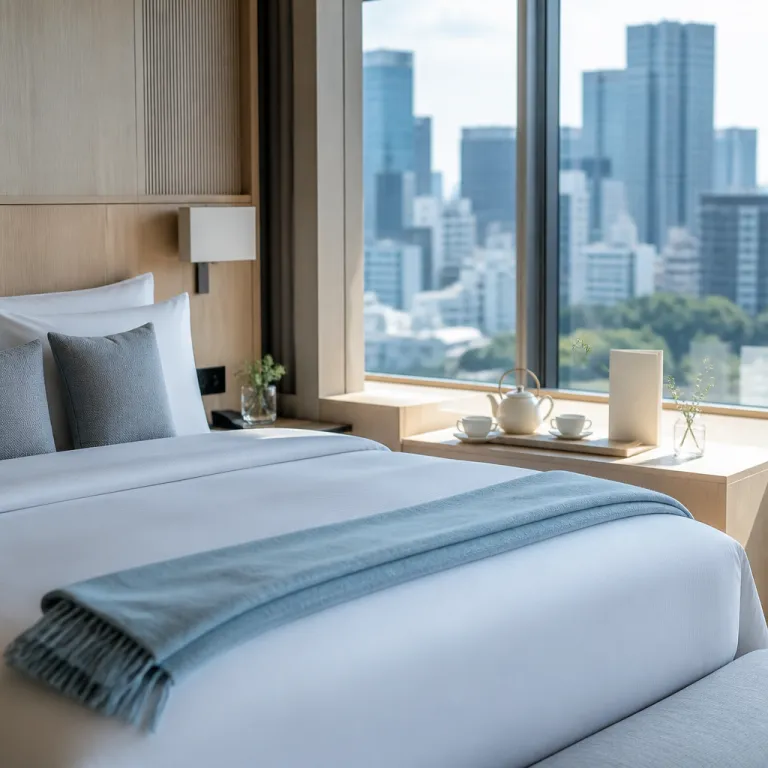
How to choose among the finest luxury hotels in Tokyo city center
Tokyo city center concentrates many of the best luxury hotels in Asia, from discreet boutique towers to large international flagships. When you plan a stay in Tokyo, Japan, the first decision is which district suits your travel style and daily rhythm. Around the Imperial Palace, Nihonbashi, Ginza, Shinjuku, and the area near Tokyo Station each offer a distinct urban atmosphere and pattern of movement.
For business focused travellers, a central hotel address close to Tokyo Station or Otemachi delivers unbeatable access to the rest of the city and to shinkansen lines. Leisure guests often prefer luxury properties near Ginza or the Marunouchi area, where five star hotels sit beside flagship stores, art galleries, and fine dining restaurants. Shinjuku and Shibuya appeal if you want a more urban, neon lit night and a Tokyo stay that feels intensely energetic and open late.
When comparing luxury hotels in Tokyo city center, filter your shortlist by what matters most to you rather than by brand alone. Some travellers prioritise a modern spa and wellness floor, others care more about Japanese design details, club lounges, or Michelin level fine dining. Decide whether skyline views, proximity to Tokyo Tower or Tokyo Skytree, or direct limousine bus access from the airports will define your favorite hotel choice and overall sense of comfort.
Aman Tokyo, Mandarin Oriental Tokyo, and The Peninsula Tokyo
Aman Tokyo occupies the upper floors of Otemachi Tower, creating an elevated urban oasis above the financial district and its busy streets. Its interiors blend Japanese minimalism with modern comfort, and the vast spa is one of the most impressive in any luxury hotel in the city, with pools, treatment rooms, and quiet relaxation zones. The 30-metre pool facing the skyline is frequently highlighted by travel editors as a defining feature and a benchmark for calm after a dense day in the city.
Mandarin Oriental Tokyo rises over the Nihonbashi district, a historic commercial hub that now mixes traditional shops with sleek offices and contemporary boutiques. The hotel’s restaurants are a benchmark for fine dining in Tokyo, Japan, with venues such as Signature and Sense regularly cited in gourmet guides, and many suites frame cinematic views towards Tokyo Tower and the distant mountains. Guests who value gastronomy, inventive cocktails, and attentive, personalised service will find this central Tokyo option compelling and worth planning evenings around.
Across from the Imperial Palace and a short walk from Ginza, The Peninsula Tokyo offers a more classic luxury hotel style with a residential feel. Rooms feel welcoming rather than ostentatious, with Japanese craftsmanship integrated into every modern convenience, from lighting controls to deep soaking tubs. Its location places you between the business core and the city’s most refined shopping streets, ideal for both work and leisure travel within a single itinerary.
Hyatt and other global names in the heart of the city
Several Hyatt properties anchor the landscape of luxury hotels in Tokyo city center and shape how international travellers experience the capital. Park Hyatt Tokyo in Shinjuku is famed for its high rise views and calm interiors that contrast with the urban intensity below and the crowds at street level. Many travellers still associate this hotel with its cinematic skyline bar, New York Grill & Bar, where a night drink becomes a ritual during any extended Tokyo stay or anniversary trip.
Grand Hyatt in Roppongi Hills offers a different expression of Hyatt hospitality, with direct access to art museums, shopping, and late night dining in the complex. This Tokyo hotel choice suits guests who want to walk from their room into a self contained city within the city, with cinemas, galleries, and restaurants all under one roof. For some, Grand Hyatt becomes a favorite base because it feels like resort style living without leaving central Tokyo or sacrificing convenience.
JW Marriott Tokyo, near the Takanawa Gateway area, adds another modern option to the roster of leading hotels in the capital and appeals to loyalty members. While not in the absolute core around Tokyo Station, it still offers swift rail access into the city center and onwards to other parts of Japan via major lines. Travellers loyal to preferred hotels or global chains often compare these Hyatt, Marriott, and other central Tokyo addresses before confirming a stay and finalising dates.
Views, design, and the art of the urban oasis
One of the defining pleasures of luxury hotels in Tokyo city center is the view and the changing light across the skyline. From Park Hyatt high above Shinjuku to Aman Tokyo in Otemachi Tower, the city becomes a glittering carpet of light at night and a sea of towers by day. Guests often time their fine dining reservations or bar visits to coincide with sunset, when Tokyo Tower and the surrounding skyline slowly illuminate and the horizon shifts colour.
Design language varies widely between these hotels, yet a thread of Japanese aesthetics runs through the best properties and their public spaces. At Mandarin Oriental Tokyo, washi paper, timber, and stone are used in a modern way, while at The Peninsula Tokyo the references are more subtle but still present in textures and art. Even international brands such as Hyatt or Ritz Carlton properties in the wider city tend to integrate local materials and craftsmanship into their public spaces and guest rooms.
Many travellers describe these hotels as an urban oasis because they soften the intensity of central Tokyo and its constant motion. Large pools, quiet lounges, and carefully filtered lighting create a sense of retreat that contrasts with the streets outside and the rush of stations. When you plan a Tokyo itinerary, it is worth considering how much time you will spend inside the hotel and how important that sanctuary feeling will be between excursions.
Location, access, and navigating the city from your hotel
For first time visitors, staying near Tokyo Station offers unmatched convenience and reduces stress on arrival and departure days. This transport hub connects you to the shinkansen network for wider Japan travel, to Narita and Haneda airports, and to many urban train and metro lines. Choosing a hotel in Marunouchi or Nihonbashi means you can roll your suitcase from the platform to the lobby in minutes and avoid long taxi rides.
Ginza is another strategic base, especially if shopping and fine dining are central to your plans and you enjoy walking between venues. The Peninsula Tokyo sits on the edge of this district, while several other luxury hotels cluster nearby with easy access to the Marunouchi and Hibiya lines. From here, reaching Tokyo Tower, Roppongi, or Shibuya requires only a short ride, making it simple to explore different neighborhoods each night without complex transfers.
Shinjuku and Shibuya are better if you want a more youthful, late night atmosphere during your Tokyo stay and value nightlife over quiet streets. Park Hyatt and other hotels in Shinjuku place you near major department stores, entertainment, and express trains to western suburbs and nearby cities. Wherever you choose, use online maps and the hotel concierge to filter route options, so you minimise transfers and maximise time enjoying the city and its varied districts.
Service, dining, and what to expect from the best hotels resorts
Central Tokyo’s leading hotels and urban resorts compete intensely on service and guest recognition. At the top properties, staff remember your preferences after a single night and adjust details quietly, from pillow type to how you take your coffee or tea. This level of attention reflects the broader culture of Japanese hospitality, where anticipating needs is considered an art and small gestures carry significant meaning.
Fine dining is another arena where luxury hotels in Tokyo city center excel and attract local residents as well as visitors. Mandarin Oriental Tokyo, Aman Tokyo, and The Peninsula Tokyo all host restaurants that attract local gourmets as much as international guests and business diners. Even if you plan to explore independent venues around the city, reserving at least one in house dinner allows you to experience how these hotels interpret both Japanese and international cuisine.
Global brands such as Park Hyatt, Grand Hyatt, and Ritz Carlton properties in the wider metropolis often participate in preferred partner or leading hotels style consortia, which can bring added benefits. These might include room upgrades, late check out, or dining credits that enhance the overall value of your Tokyo booking and offset higher nightly rates. When comparing rates, consider not only the nightly price but also these inclusions, as they can significantly elevate your experience and shape your final impression.
Key figures on luxury hotels in central Tokyo
- Industry reports indicate that dozens of recognized luxury hotels operate in Tokyo, Japan, with many concentrated in the central wards and business districts.
- Recent surveys from hotel associations suggest that high end properties in Tokyo often record robust occupancy, reflecting steady demand from both domestic and international travellers.
- Average nightly rates for a central luxury hotel are among the highest in the country, reflecting strong demand from both business and leisure travel segments and limited prime land.
- Observers note increased demand for wellness facilities and technology integration, trends that are reshaping how an urban oasis is defined in the city and influencing new openings.
FAQ about luxury hotels in Tokyo city center
What is the best luxury hotel in Tokyo for first time visitors
What is the best luxury hotel in Tokyo? Aman Tokyo is often regarded as the best luxury hotel in Tokyo by frequent visitors and travel advisors. For a first stay in the city, its calm design, extensive spa, and direct access to Otemachi and Tokyo Station lines make it especially appealing and easy to navigate from.
Which luxury hotel offers the most impressive skyline views
Which luxury hotel in Tokyo offers the best views? Park Hyatt Tokyo offers stunning skyline views from its upper floors and corner rooms. Its high floors look across Shinjuku towards Tokyo Tower and beyond, turning both day and night scenes into part of the stay itself and a highlight of the trip.
Are there any new luxury hotels in central Tokyo
Are there any new luxury hotels in Tokyo? JW Marriott Tokyo is a recent contemporary addition to the city’s high end portfolio. This modern property expands the choice of urban resorts near the core business districts and provides another option for travellers loyal to international brands and points based programmes.
Which luxury hotel is closest to Ginza’s shopping streets
Which luxury hotel is closest to Ginza? The Peninsula Tokyo is located near Ginza and the main shopping avenues. From its entrance, guests can walk directly into the heart of Ginza in a few minutes, making it ideal for shopping focused travel and spontaneous evening strolls.
Do central Tokyo luxury hotels offer traditional Japanese experiences
Do Tokyo luxury hotels offer traditional Japanese experiences? Yes, many integrate traditional Japanese aesthetics and services into otherwise contemporary stays. Properties such as Aman Tokyo and Mandarin Oriental Tokyo combine tatami inspired elements, Japanese bathing rituals, and tea ceremonies with modern comforts in the middle of the city and high above the streets.