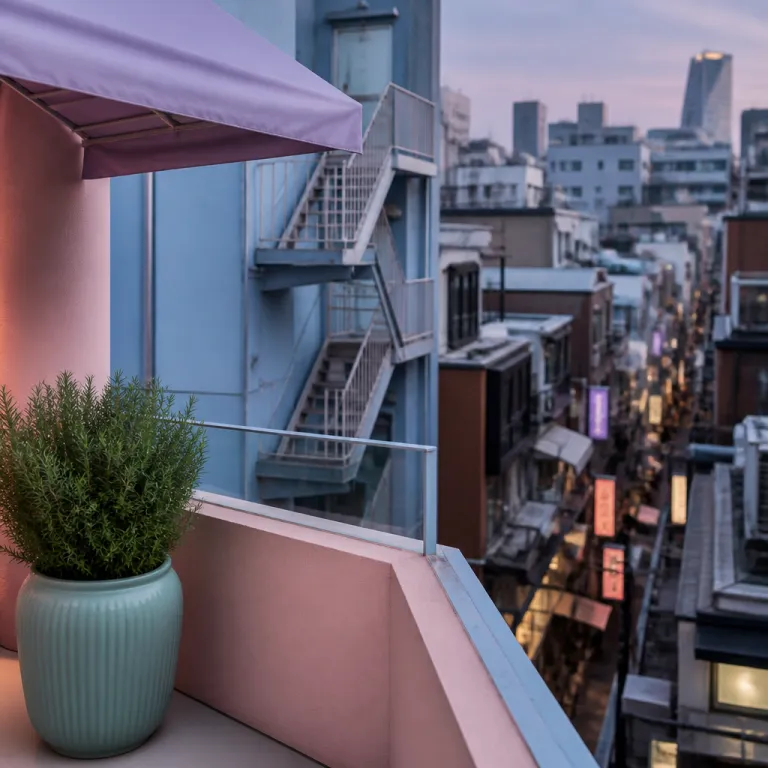
Choosing the right hotel for tokyo nightlife bars and clubs
Location is everything when you want refined access to tokyo nightlife bars and clubs. For a guest who values comfort and efficiency, staying near Shibuya or Shinjuku places you within minutes of the most dynamic nightlife districts in Tokyo. This choice lets you enjoy the best of nightlife Tokyo while still returning quickly to a quiet, well appointed room at the end of the night.
Shibuya hotels suit travellers who want to walk from their bar to their bed, because many of the top bars and clubs sit within a compact grid around the famous crossing. In this part of Tokyo, nightlife feels dense and vertical, with bars Tokyo hides on upper floors and in basements, so a concise nightlife guide from your concierge becomes invaluable. When you stay in Shibuya Shinjuku corridors, you can move between bars, clubs, and late night ramen counters without worrying about missing the last train.
Shinjuku hotels, by contrast, are ideal if you want both shinjuku nightlife and easy access to Golden Gai and Kabukicho. From a well located property east of the station, such as a business hotel near Shinjuku-sanchome, you can reach Golden Gai bars on foot in under ten minutes, which transforms a casual night Tokyo stroll into a curated bar hopping experience. This proximity matters because the city’s trains often stop between about 00:30 and 01:30 on major lines, so choosing a hotel inside the nightlife districts saves time, taxi fares, and late night stress.
Understanding key nightlife districts before you book
Shibuya is the face of youthful nightlife Tokyo, with neon, crowds, and a constant soundtrack of live music and DJ sets. Here you find WOMB and Contact, two of the best known clubs in the city for electronic sounds, which makes nearby hotels perfect for guests who want a club focused experience. If you enjoy hip hop or R&B, you can still stay in Shibuya and ride a short train to WARP Shinjuku, a club that anchors modern shinjuku nightlife.
Shinjuku itself offers a more layered tokyo nightlife, where tiny Japanese bar counters sit beside large, high energy clubs. The Golden Gai area, often written as golden gai, is a warren of narrow alleys filled with micro bars, and staying close by allows you to sample several Golden Gai bars without rushing. Many discerning travellers choose Shinjuku hotels because they can combine a quiet evening drink in Golden Gai with a later visit to a bigger club in the same night.
Roppongi and Ginza complete the main nightlife districts that matter for hotel selection. Roppongi hosts large, technically advanced clubs known for high quality sound systems, while Ginza is home to newer super clubs that attract international DJs and polished crowds. If your idea of the best Tokyo night includes premium drinks, dress codes, and a more cosmopolitan bar scene, then a hotel in these areas may suit you better than Shibuya or Shinjuku.
How hotel location shapes your bar and club experience
When you stay in central Tokyo, nightlife becomes an extension of your hotel rather than a separate excursion. A property near Shibuya station lets you move from pre dinner drinks in a craft beer bar to a late night club session at WOMB without long commutes. This seamless flow is especially valuable for Japan travel when you have limited time and want each night Tokyo offers to feel effortless.
Guests who choose Shinjuku often do so because they want both shinjuku nightlife and easy access to quieter corners. You might start with a Japanese izakaya dinner, continue to a Golden Gai bar for intimate conversation, then finish in a larger club like WARP Shinjuku, all within walking distance. Hotels that understand this rhythm will provide a tailored nightlife guide, suggesting top bars and clubs that match your taste and preferred time of night.
Staying slightly outside the busiest nightlife districts can still work if you plan carefully. For example, a luxury hotel in Marunouchi or Otemachi gives you calm surroundings, while fast train lines carry you to Shibuya Shinjuku areas in under fifteen minutes. In that case, you should pay close attention to first and last train times, because missing the final service turns your return journey into a late night taxi ride across the city.
Payment methods, etiquette, and safety for hotel based guests
Understanding payment methods in bars and clubs helps you enjoy tokyo nightlife with confidence. Most venues in Japan accept major credit cards and contactless payments, yet some smaller Golden Gai bars still prefer cash, so withdrawing yen before your night out is wise. When you check in, ask your hotel concierge which bars Tokyo in the area are cash only and which clubs support international cards, because this simple step can save time and awkward moments.
Etiquette in Japanese nightlife is generally polite and understated, even in busy nightlife districts. In a small bar, greet the staff, order drinks promptly, and avoid loud phone calls, while in a club you should respect personal space and follow any posted rules. Many hotels now include a short nightlife guide in their in room information, explaining local customs such as not forcing drinks on others and how to handle table charges in bars and clubs.
Safety standards in Tokyo are high, which reassures solo travellers exploring tokyo nightlife bars and clubs. Still, you should keep your hotel address written in Japanese, carry a copy of your passport, and plan your route back before you start your night. The city’s tourism authorities advise guests to “Carry ID for club entry.”, “Check dress codes before visiting.”, and “Plan transportation as trains stop around midnight to 01:00.”, guidance that aligns perfectly with the needs of discerning hotel guests.
Curating your ideal night from hotel bar to city club
Many upscale hotels in Tokyo now feature lobby bars that rival independent top bars in both design and drinks. Starting your evening with a crafted cocktail or a glass of Japanese whisky in your hotel bar allows you to set the tone before stepping into the surrounding nightlife. One Shinjuku concierge described it simply: “If you tell us your favourite drink and music, we can map your whole night from the lobby bar to the last club.” From there, you can follow a personalised nightlife guide from the concierge, moving from refined bars Tokyo offers to more energetic clubs as the night deepens.
If you enjoy live music, ask specifically for venues that combine performance with quality drinks and comfortable seating. Some Shibuya and Shinjuku spaces host jazz trios early in the evening, then switch to DJs or hip hop later, which lets you shape your time according to mood. Guests who prefer craft beer can focus on specialist bars near Shibuya station, then continue to a nearby club, creating a smooth progression from tasting to dancing.
Karaoke is another essential part of nightlife Tokyo, and many hotel guests appreciate private rooms where they can sing with friends. In Shibuya Shinjuku corridors, large karaoke chains operate around the clock, so you can schedule a session before or after visiting clubs. Combining karaoke, a Golden Gai bar, and a late night club in a single Tokyo night becomes surprisingly easy when your hotel sits at the centre of these experiences.
Planning multi night itineraries around tokyo nightlife bars and clubs
For a short stay focused on tokyo nightlife bars and clubs, structure your nights by district. One evening might centre on Shibuya, with early drinks in a craft beer bar, dinner in a Japanese izakaya, and a late session at WOMB or Contact. Another night Tokyo offers could revolve around shinjuku nightlife, starting in Golden Gai, continuing to karaoke, then finishing at WARP Shinjuku for hip hop and R&B.
Longer Japan travel allows you to explore more of the city’s nightlife districts at a relaxed pace. You could dedicate one night to Ginza and its larger clubs, another to Roppongi and its late opening venues, and a third to quieter neighbourhood bars Tokyo hides away from the main tourist routes. In each case, choose hotels that minimise travel time between your room, the bar, and the club, because this simple decision maximises both rest and experience.
When comparing properties, ask yourself which hotel will support your version of the best Tokyo night. Some guests prioritise spa facilities and late check out after intense club sessions, while others value concierge teams who know the best tokyo nightlife bars and clubs personally. The best Tokyo hotels for nightlife are those that treat the city’s bars, clubs, and live music venues as an extension of their own hospitality, curating each night as carefully as they prepare each room.
Key figures about Tokyo nightlife for hotel guests
- Tokyo hosts a very large number of nightlife venues across the city, a density that means most central hotels sit within a short walk or taxi ride of multiple bars and clubs (exact figures reported by Tokyo tourism authorities vary by year and by definition of “venue”).
- Typical club entry fees often range around 2,000–3,000 yen per person, so a couple planning three club nights should budget roughly 12,000–18,000 yen just for door charges, excluding drinks (broad estimate based on published Tokyo tourism and venue information).
- Clubs in major nightlife districts typically peak between midnight and 3 a.m., which makes hotel location crucial because trains stop around midnight to shortly after 01:00 and late night taxis become the main option.
- Many izakayas open from early evening, allowing hotel guests to start their night with food and drinks as early as 17:00, then transition to bars and clubs later without long gaps.
FAQ about tokyo nightlife bars and clubs for hotel guests
What are the best clubs in Tokyo for hotel based travellers ?
Top clubs include WOMB, Contact, ZOUK Tokyo, CROSS Tokyo, and WARP Shinjuku. Guests staying in Shibuya or Shinjuku can reach most of these venues quickly by foot or a short taxi ride. Choosing a hotel near these districts reduces travel time and lets you enjoy more of the night.
What is the dress code for Tokyo clubs when coming from a hotel ?
The official guidance states that “Dress codes vary; avoid overly casual attire and check specific club policies.”. As a rule, smart casual clothing works in most clubs, while flip flops and sportswear may cause issues at higher end venues. Ask your hotel concierge to call ahead if you are unsure about a particular club’s expectations.
Are there age restrictions for nightlife venues in Tokyo ?
Local regulations specify that “Yes, most venues require patrons to be 20 years or older.”. You should carry a passport or government issued ID, because many clubs check identification at the door, especially in Shibuya and Shinjuku. Hotel staff can remind you of these rules and help younger members of a group find alternative evening activities.
How should I plan transport between my hotel and nightlife districts ?
Public transportation in Tokyo is efficient until around midnight, after which taxis become the main option. If your hotel is in Shibuya, Shinjuku, Roppongi, or Ginza, you can often walk to nearby bars and clubs, then take a short taxi back if you stay out late. Guests staying farther away should track last train times carefully or budget for late night taxi fares.
Can my hotel help me choose the best bars and clubs for my style ?
Many full service hotels in central Tokyo maintain up to date lists of top bars, live music venues, and clubs that suit different tastes. Concierges often know which Golden Gai bars welcome international guests, which clubs focus on hip hop, and where to find the best craft beer near your district. Sharing your preferences clearly allows them to design a personalised nightlife guide that fits both your schedule and your comfort level.
Trusted references
- Tokyo Convention and Visitors Bureau
- Japan National Tourism Organization
- Tokyo Metropolitan Government tourism statistics