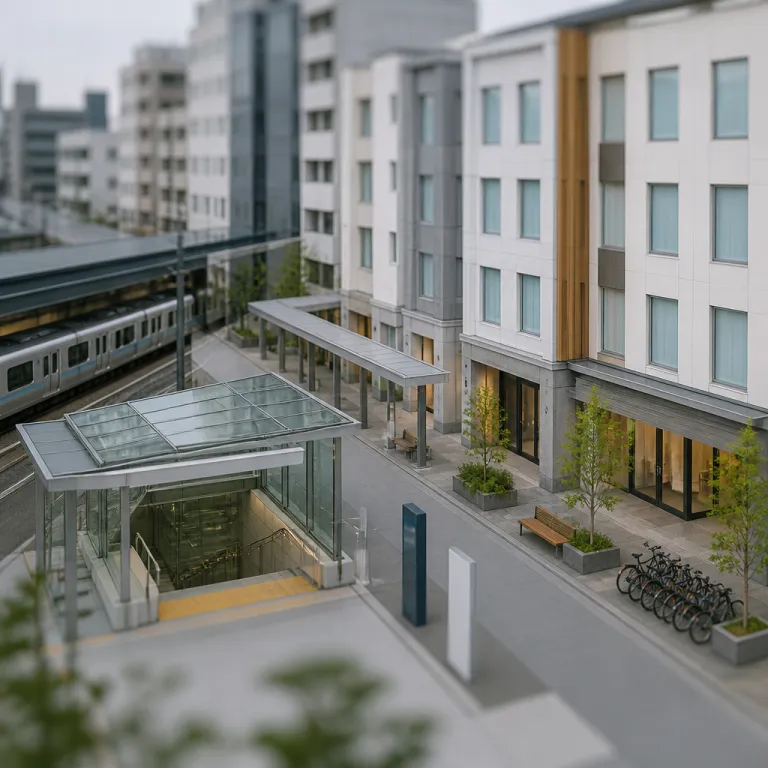
Why mastering Tokyo Metro matters when choosing your hotel
Choosing a hotel in Tokyo, Japan is really about choosing your nearest station. When you understand how to use Tokyo Metro and the wider subway system, your travel time to museums, restaurants, and meetings shrinks dramatically and your stay in the city feels calm instead of chaotic. For many visitors the smartest strategy is to select accommodation based on metro lines and train lines rather than on a specific neighbourhood name.
Tokyo Metro and Toei Subway together form the core of the Tokyo subway network, and this combined subway system moves millions of passengers every day across the Tokyo metropolitan area with remarkable precision. When a hotel advertises that it is two minutes from a station, you should immediately ask which subway lines or railway connections are there, because that single detail will shape every day of your itinerary. If you plan your booking around a major hub such as Shinjuku, Tokyo, Shibuya, or Ueno station, you will usually reduce transfers and avoid long walks with luggage.
For guests arriving from Japan Railways services such as JR East, staying near a station where JR train lines intersect with Tokyo Metro is especially efficient. These interchanges let you move from long distance trains to the Tokyo underground in a few minutes, which is invaluable after a long flight or a late arrival in December when evenings feel colder and darker. Hotels that sit directly above or beside large stations often cost more in yen, but the time saved on every platform change can justify the higher nightly rate.
Understanding operators, lines, and how they shape your stay
Two main operators share responsibility for the subway Tokyo relies on every day. Tokyo Metro manages nine metro lines, while Toei Subway operates four additional subway lines, and together these create the dense web most visitors picture when they think of the Tokyo underground. Some surface railway companies such as JR East also run train lines that intersect with both operators, giving you more options when you choose a hotel near a major station.
When a hotel description mentions that it is served by both Tokyo Metro and Toei Subway, you gain flexibility because you can reach more districts without changing trains. Lines such as the Ginza Line (G), Marunouchi Line (M), and Hibiya Line (H) are operated Tokyo Metro services, while the Asakusa Line (A) and Oedo Line (E) belong to the Toei network and are branded as Toei Subway on maps and signage. For a short business-focused visit, staying near stations on the Marunouchi or Hanzomon (Z) metro lines can reduce your travel time to key business districts like Otemachi and Akasaka.
Leisure travellers often prefer hotels near train lines that connect directly to shopping and entertainment, such as the Hibiya Line for Roppongi or the Fukutoshin Line (F) for Shibuya and Ikebukuro. If you are planning how to use Tokyo Metro with children, look for stations where multiple subway lines intersect so an adult and child can change routes quickly without long walks. This multi line access becomes especially valuable on a rainy day in Tokyo, Japan when staying mostly indoors and minimising outdoor transfers keeps everyone more comfortable.
Tickets, passes, and IC cards that work for hotel guests
Before you even reach your hotel, you will need to decide how to purchase your first subway ticket or pass. Most visitors choose between rechargeable IC cards such as Suica or Pasmo, a time based 24 hour ticket style subway ticket, or a multi day pass that covers both Tokyo Metro and Toei Subway lines. Your choice should match the length of your stay, the number of stations you expect to use, and whether an adult and child will ride together frequently.
Single ride tickets are easy to purchase at any ticket gate area using vending machines that display fares in yen and English, and each ticket adult fare is calculated by distance across the subway system. For families, it is important to check the child fare on the screen so that each ticket adult and each ticket for an adult and child is issued correctly, because staff may check ages if a child looks older than expected. If you plan to ride several times in one day, a 24 hour ticket or 48 hour ticket Tokyo Metro pass that also covers Toei Subway can quickly become better value than repeated single tickets, especially when typical fares between central stations range from around ¥180 to ¥330.
Many hotels keep simple leaflets explaining how to use Tokyo Metro passes and where to purchase them near the property, often pointing to specific machines marked “Tokyo Subway Ticket”. Some front desks will even show you which station exits lead most directly back to the lobby so you can step from platform to room with minimal confusion. When you compare room rates, remember to factor in the cost of a subway ticket or IC card top up in yen per day, because a slightly higher room price near a central station can reduce your overall travel budget.
From airport to lobby: practical navigation from platform to hotel
Arriving in Tokyo, Japan after a long flight, your first priority is usually reaching your hotel quickly and calmly. Whether you land at Haneda or Narita, you will almost certainly transfer from an airport railway or limousine bus to the Tokyo subway or a set of metro lines for the final leg. This is where understanding how to use Tokyo Metro and Toei Subway together becomes a real advantage.
At major terminals such as Tokyo station, Shinjuku station, and Ueno station, clear bilingual signs guide you from JR train platforms down into the Tokyo underground. You will pass through wide concourses, follow coloured line symbols, and eventually reach the ticket gate areas where you can purchase a subway ticket or tap an IC card, and this whole process is designed to be intuitive even for first time visitors. Hotels that advertise direct underground access usually connect to these concourses, allowing you to walk from platform to reception without going outside, which is especially helpful on a wet December evening.
When you step onto the platform, stand behind the safety line and queue where the carriage doors will open, following Japanese etiquette by letting passengers exit first. Inside the train, route maps above the doors show upcoming stations and transfer options to other subway lines or railway services, so you can confirm where to change for your hotel’s nearest station. If you feel unsure, station staff at information counters are accustomed to helping travellers with hotel names, and they will often mark the correct exit number on a paper map so you emerge on the right side of a large intersection.
Reading maps, signs, and planning hotel based itineraries
Every decision about how to use Tokyo Metro effectively starts with reading the network map correctly. Each line in the Tokyo subway is colour coded and given a letter, while every station has a number, which makes it easier to navigate even if you do not read Japanese characters. When you choose a hotel, look at its nearest station code on the map and count how many stops and transfers separate it from the places you plan to visit most.
For example, a hotel near Ginza station (G-09, M-16, H-08) gives you direct access to several metro lines, while a property near Asakusa station connects you to both Tokyo Metro and Toei Subway, and this dual access can shorten travel times across the Tokyo metropolitan area. If your stay focuses on business meetings in Marunouchi and evening dining in Shibuya, a hotel near a station served by both the Ginza Line and a JR railway line will reduce backtracking. Families planning a day at Tokyo Skytree or Ueno Zoo should check how many station changes are required, because fewer transfers mean less time supervising an adult and child through crowded platforms.
Digital tools complement the printed maps you find in stations and hotel lobbies. Many navigation apps allow you to enter your hotel name and will then suggest the fastest combination of subway lines, train lines, and walking routes, including the approximate ticket Tokyo fare in yen. When you return in the evening, follow the same route in reverse and pay attention to which ticket gate and exit number you use, because large stations can feel like small cities and the wrong exit can add ten minutes to your walk back to the lobby.
Etiquette, peak hours, and safety for hotel guests on the move
Using the Tokyo subway is not only about routes and tickets, it is also about respecting local etiquette. On escalators you usually stand on one side to let others pass, and inside the train you keep conversations quiet, which helps maintain the calm atmosphere Japanese commuters expect. Hotels often provide brief etiquette cards or mention peak hour advice at check in, because these small details can transform your daily travel experience.
Rush hours typically run from around 7 to 9 in the morning and 17 to 19 in the evening, and during these times some metro lines and train lines become extremely crowded. If your schedule allows, plan your day so that long journeys between your hotel and sightseeing areas avoid these windows, especially if you are travelling with an adult and child or carrying luggage. Late morning and mid afternoon are usually more comfortable periods to explore the Tokyo underground, and many hotel concierges will suggest flexible itineraries that keep you off the busiest trains.
Safety standards on the Tokyo Metro and Toei Subway are high, with clear announcements, platform markings, and emergency procedures. When you wait on the platform, stand behind the yellow tactile line and keep bags away from the edge, especially when supervising an adult and child who may be excited by the arriving train. As official guidance from the operators notes, “Avoid rush hours (7-9 AM, 5-7 PM). Stand on the left side of escalators. Keep conversations quiet on trains.”
Key figures that help you evaluate hotel locations
- Tokyo Metro reports in its official statistics that it carries roughly 7–8 million passengers per day, which means that hotels near its busiest stations benefit from extremely frequent train services and short waiting times between departures.
- The Tokyo Metro network includes around 180 stations according to Tokyo Metro official information, so most central hotels in Tokyo, Japan are within a few minutes’ walk of at least one station entrance, even if it is not a major hub.
- The total length of Tokyo Metro lines is about 195 kilometres based on Tokyo Metro data, and when combined with Toei Subway and other railway operators this coverage allows hotel guests to cross the Tokyo metropolitan area quickly without relying on taxis.
FAQ: practical questions hotel guests ask about Tokyo Metro
How do I purchase a Suica or Pasmo card when I arrive ?
You can buy an IC card such as Suica or Pasmo at ticket vending machines near the ticket gate areas in major stations, including airport terminals. Machines display instructions in English and show the amount in yen, and you simply load the balance you want for your first day. These cards work across most subway lines, many railway services, and even some buses and shops, which makes them ideal for a short stay.
Can I use the same ticket for both Tokyo Metro and Toei Subway ?
Single ride tickets are usually valid only on the operator where you purchase them, so a Tokyo Metro ticket will not automatically cover a Toei Subway segment. However, special passes and 24 hour ticket style products are available that combine both networks, such as the Tokyo Subway Ticket sold at selected counters, and these are often marketed specifically to visitors. If your hotel is near a station served by both operators, ask the front desk which combined pass suits your itinerary and stay length.
Are there discounts for tourists using the Tokyo subway system ?
Yes, there are tourist passes that offer unlimited rides on Tokyo Metro and sometimes on Toei Subway for a fixed number of hours or days. These passes can be excellent value if you plan intensive travel between many stations, especially when priced in yen compared with multiple single tickets. Some passes must be purchased at specific counters or before arrival, so check details while planning your hotel booking.
Is it better to stay near a JR station or a subway station ?
For most visitors, the best option is a hotel near a station where JR railway lines intersect with Tokyo Metro or Toei Subway lines, because this combination gives maximum flexibility. If you are arriving on Japan Railways long distance trains, proximity to a JR station simplifies arrival and departure days, while the subway Tokyo network handles most inner city travel. When comparing properties, map both the JR and metro lines that serve the nearest station and choose the one that aligns with your planned activities.
How early and how late do Tokyo Metro trains run each day ?
First trains on most metro lines start around early morning, and last trains usually depart just before midnight, though exact times vary by line and station. Hotels often keep printed first and last train times for the nearest station at reception, which is useful if you plan late dinners or early departures. Always check the timetable for your specific route, because missing the final train can mean an expensive taxi ride in yen back to your hotel.
References
Tokyo Metro official information (ridership, station count, and line length figures); Toei Subway official information (line details and etiquette guidance); JR East official information (JR and subway connection data).