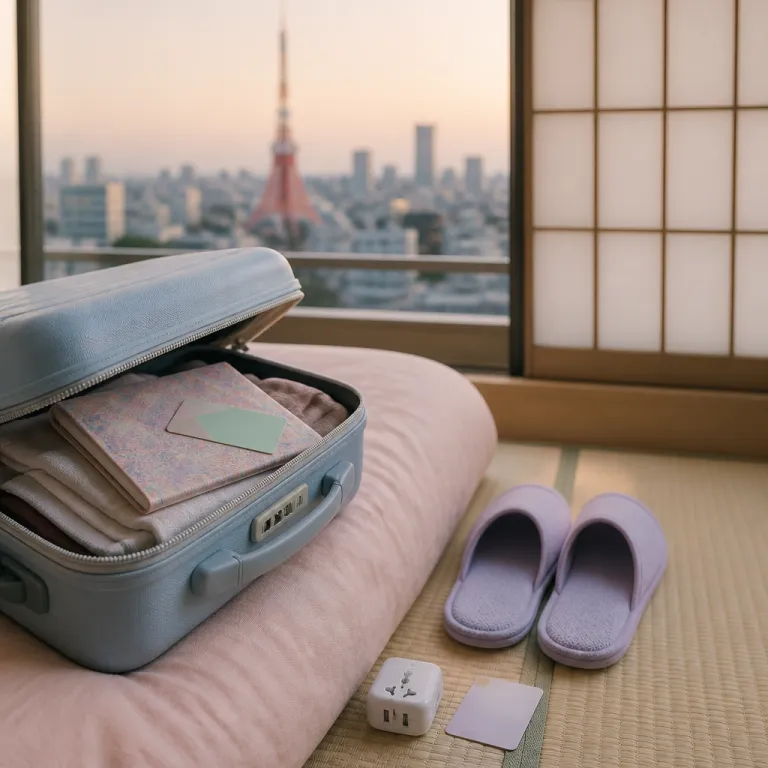
Understanding where to stay in Tokyo for your first visit
Choosing where to stay in Tokyo shapes every moment of your trip. Shinjuku is ideal for its central location and amenities, while Shibuya offers a youthful energy that feels distinctly different from any other area in Japan. When you compare these districts with quieter places to stay such as Ueno or Asakusa, you start to see how each part of the city creates a very different rhythm for your stay.
Many first time visitors ask where they should book a hotel to balance convenience, atmosphere, and budget. Questions such as Which Tokyo district is best for first-time visitors? and Where can I experience traditional Tokyo? highlight how the right area can turn a short stay Tokyo break into a seamless introduction to the city. Thinking carefully about where to stay in Tokyo before you arrive saves precious Tokyo time once you step out of the station and into the streets.
For travellers focused on transport, staying near Tokyo Station or Shinjuku Station keeps you close to the main JR lines and the Shinkansen. From Shinjuku, for example, the JR Yamanote Line reaches Shibuya in about 7 minutes and Tokyo Station in roughly 15 minutes, while the Narita Express and airport limousine buses connect directly to both Narita and Haneda. Book accommodations near major train stations, and you will find that even a compact room in many Tokyo hotels feels more valuable because you spend less time commuting and more time exploring. This approach also makes late arrivals from Haneda Airport or early departures on regional trains far less stressful.
Shinjuku and Shibuya: where to stay in Tokyo for energy and nightlife
Shinjuku is the classic answer when someone asks where to stay in Tokyo for a dynamic, central base. The district is a major transport hub, and Shinjuku Station handles around 3,600,000 people daily, which means you can reach almost any area of the city with one simple transfer. For travellers who enjoy staying out late, this part of town offers neon streets, late night dining, and a wide range of hotels from efficient mid range properties (often around ¥15,000–¥25,000 per night for two people) to polished luxury hotels.
Shinjuku Shibuya comparisons are common among visitors trying to decide where to stay, because both districts feel modern yet distinct. Shibuya is a great place to stay if you want to be close to fashion, music, and the famous crossing, while Shinjuku leans more towards business towers, entertainment streets, and expansive parks. Shibuya Station also sits on the JR Yamanote Line, the Ginza and Hanzomon subway lines, and the Tokyu network, so journeys to Harajuku or Omotesando take only a few minutes. When you choose a hotel room in either Shinjuku or Shibuya, you are choosing to stay in the heart of Tokyo city life rather than in a quieter place to stay.
Specific properties help anchor your decision about where to stay in these districts. In Shinjuku, Hotel Gracery Shinjuku places guests above the lively Kabukicho streets, and many rooms offer dramatic city views that make staying there feel cinematic. In Shibuya, chains such as Tokyu Stay provide compact but well designed rooms with kitchenettes, which can be a great option for a longer stay Tokyo itinerary when you want more independence than standard rooms in larger Tokyo hotels usually allow. Typical nightly rates in these central neighbourhoods range from about ¥10,000 for simple business hotels to over ¥40,000 for high floor rooms in major international brands.
Asakusa, Ueno, and Ginza: where to stay in Tokyo for culture and calm
Travellers who ask where to stay in Tokyo for a more traditional atmosphere often gravitate towards Asakusa. This historic area is home to Sensō temple, and the surrounding streets offer lantern lit alleys, small shops, and river views that feel far removed from the glass towers of Minato City or Shinjuku. Where you stay here influences how you experience Tokyo time, because early mornings around the temple are quiet and contemplative, while evenings bring a gentle, local buzz.
Ueno is another thoughtful place to stay, especially for visitors who value museums and green spaces. The district’s parkland, cultural institutions, and easy access to Ueno Station make it a practical area to stay for families and travellers who prefer shorter walks between their hotel and major sights. Ueno Station sits on the JR Yamanote Line and several Shinkansen routes, and the ride to Tokyo Station takes about 5 minutes. When comparing rooms in Ueno hotels with rooms in Shibuya or Ginza, you often find slightly larger spaces at similar mid range prices, which can make staying here a great value choice.
Ginza, by contrast, is where to stay in Tokyo if you want refined shopping and dining at your doorstep. Which area is known for luxury shopping? Ginza is renowned for its upscale shopping options, and the hotels here reflect that polished character with attentive service and sophisticated rooms. The Tokyo Metro Ginza and Marunouchi lines link the district to Shinjuku in around 20 minutes and to Tokyo Station in just a few minutes. Properties such as Park Hotel Tokyo, located in nearby Minato City, offer art focused interiors and views towards Tokyo Tower, giving guests a sense of staying in an urban gallery while remaining close to Ginza’s main streets.
Tokyo Station, Minato City, and access to Haneda Airport
For travellers who prioritise seamless transport, Tokyo Station is often the best answer to the question of where to stay in Tokyo. This station is the main Shinkansen hub, and staying in a hotel nearby makes day trips to other parts of Japan remarkably simple. From here, bullet trains reach cities such as Kyoto and Osaka in a few hours, while the JR Yamanote Line and Marunouchi subway line connect quickly to Shinjuku and Ginza. When you choose a room in this area to stay, you also gain easy access to the Marunouchi business district and the Imperial Palace gardens, which creates a balanced city experience.
Minato City stretches from the business towers of Shiodome to the waterfront of Odaiba, and it includes landmarks such as Tokyo Tower. Many visitors who have previously wondered where they should stay Tokyo for skyline views later say that where they stayed in Minato City shaped their memory of the city’s nightscape. Luxury hotels and well appointed mid range properties here often feature rooms with floor to ceiling windows, so staying in this area becomes part of the sightseeing itself. Typical nightly prices range from around ¥18,000 for standard double rooms in business hotels to ¥60,000 or more for suites with panoramic views.
Access to Haneda Airport is another practical factor when deciding where to stay. If you arrive late at night or depart early in the morning, choosing hotels along the Tokyo Monorail or Keikyu lines shortens travel time and reduces stress. The monorail links Haneda to Hamamatsucho Station in about 15 minutes, and from there the JR Yamanote Line reaches Shinjuku in roughly 25 minutes. In these cases, the best place to stay may be a simple mid range hotel near a station rather than a more distant luxury property, because the convenience of a short transfer can be more valuable than extra room space.
Balancing budget, room size, and style in Tokyo hotels
Understanding how room categories work in Tokyo hotels helps you decide where to stay with confidence. Standard rooms in central districts such as Shinjuku, Shibuya, and Ginza tend to be compact, often around 15 to 20 square metres, while rooms in slightly less central areas can be larger at the same price. When you compare where to stay in Tokyo, consider not only the nightly rate but also the room size, because a few extra square metres can make a short stay feel far more comfortable.
Mid range hotels in Tokyo usually provide reliable comfort, efficient layouts, and thoughtful amenities such as pyjamas, air purifiers, and high pressure showers. These properties are often the best choice for time poor visitors who plan to spend most of their Tokyo time outside the room, using the hotel mainly as a calm base between excursions. Luxury hotels, by contrast, offer larger rooms, extensive facilities, and elevated service, which can transform staying in the city into an experience where the hotel itself becomes a destination.
Chains such as Tokyu Stay appeal to travellers who want more flexibility in where they stay and how they use their rooms. Many Tokyu Stay properties include washing machines and small kitchen areas, which suit longer stays or multi city Japan itineraries where packing light is essential. When you evaluate places to stay across the city, consider whether you prefer the efficiency of a compact room near a major station or the slower pace of a larger room in a quieter area to stay. In many neighbourhoods, business hotel doubles start around ¥8,000–¥12,000 per night, while design focused or apartment style rooms cost more but provide extra space.
Planning your itinerary around where you stay in Tokyo
The district where you stay in Tokyo should align with your daily plans. If your priority is visiting Sensō temple in Asakusa, exploring Ueno Park, and spending time in museums, then staying in Asakusa or Ueno reduces travel time and keeps your days focused. On the other hand, if your itinerary centres on shopping in Shibuya, dining in Shinjuku, and evening views from Tokyo Tower, then a hotel in Shinjuku, Shibuya, or Minato City will serve you better.
First time visitors often underestimate the scale of the city and the impact of transfers between areas. Choosing a place to stay that sits near a major station such as Shinjuku Station, Shibuya Station, or Tokyo Station can save an hour or more each day, especially when you factor in connections to Haneda Airport or regional trains. Over several days, that saved time becomes extra meals, additional neighbourhood walks, or a quiet hour in your room before heading out again.
Reflecting on where you stayed in previous trips can also guide your next stay Tokyo experience. Some travellers realise that their best memories came from simple moments near their hotel, such as an early morning coffee in Ginza or a late night stroll in Shinjuku Shibuya backstreets. When you think of where to stay on a return visit, use those memories to choose places to stay that match the pace and atmosphere you enjoyed most.
Key figures that shape decisions about where to stay in Tokyo
- Shinjuku Station handles around 3,600,000 passengers per day, according to the Japan National Tourism Organization (JNTO, station statistics, accessed 2024), which makes staying near this station one of the most efficient choices for travellers who plan to cross the city frequently.
- Ginza hosts approximately 4,000 shops, based on data from the Ginza Official Website (district overview, accessed 2024), so choosing a hotel in or near this district places guests within walking distance of one of Japan’s densest concentrations of luxury and specialist retail.
- Sensō temple in Asakusa welcomes about 30,000,000 visitors annually, according to the Tokyo Metropolitan Government (tourism statistics, accessed 2024), which explains why staying in Asakusa is particularly appealing for travellers who want early morning access before the main crowds arrive.
FAQ: where to stay in Tokyo
Which Tokyo district is best for first time visitors?
Shinjuku is ideal for its central location and amenities, offering excellent rail connections, a wide range of hotels, and easy access to other areas such as Shibuya, Ginza, and Asakusa. Staying here suits travellers who want a single base for varied sightseeing across the city. The combination of transport, dining, and nightlife makes it a reliable answer when deciding where to stay in Tokyo for a first trip.
Where can I experience traditional Tokyo while staying in the city?
Asakusa offers a rich traditional atmosphere, centred around Sensō temple and its surrounding streets of small shops and food stalls. Choosing a hotel in Asakusa allows you to enjoy the area early in the morning and late in the evening, when day trip crowds are absent. Ueno is another good option, combining cultural institutions with a more local residential feel.
Which area is known for luxury shopping and refined hotels?
Ginza is renowned for its upscale shopping options, with department stores, international brands, and specialist boutiques lining its main avenues. Hotels in and around Ginza, including properties in neighbouring Minato City such as Park Hotel Tokyo, tend to focus on polished service and elegant rooms. This area is well suited to travellers who prioritise dining, shopping, and a calm urban atmosphere.
Is it better to stay near Tokyo Station or closer to Shibuya and Shinjuku?
Tokyo Station is better for travellers planning multiple day trips by Shinkansen or those who value direct airport connections, while Shibuya and Shinjuku excel at offering nightlife, dining, and a sense of the city’s everyday energy. If your itinerary focuses on central Tokyo sightseeing, Shinjuku or Shibuya may feel more engaging. For rail focused journeys across Japan, hotels near Tokyo Station provide unmatched convenience.
How should I choose between mid range and luxury hotels in Tokyo?
The choice depends on how much time you expect to spend in your room and which facilities matter most. Mid range hotels near major stations offer excellent value for time poor visitors who mainly need a comfortable, efficient base, while luxury hotels provide larger rooms, extensive amenities, and often memorable views of landmarks such as Tokyo Tower. Consider your daily schedule, preferred area to stay, and whether the hotel itself is part of the experience you want from Tokyo.
Trusted references
Japan National Tourism Organization (station usage statistics, accessed 2024) ; Tokyo Metropolitan Government (tourism data, accessed 2024) ; Ginza Official Website (district overview, accessed 2024).