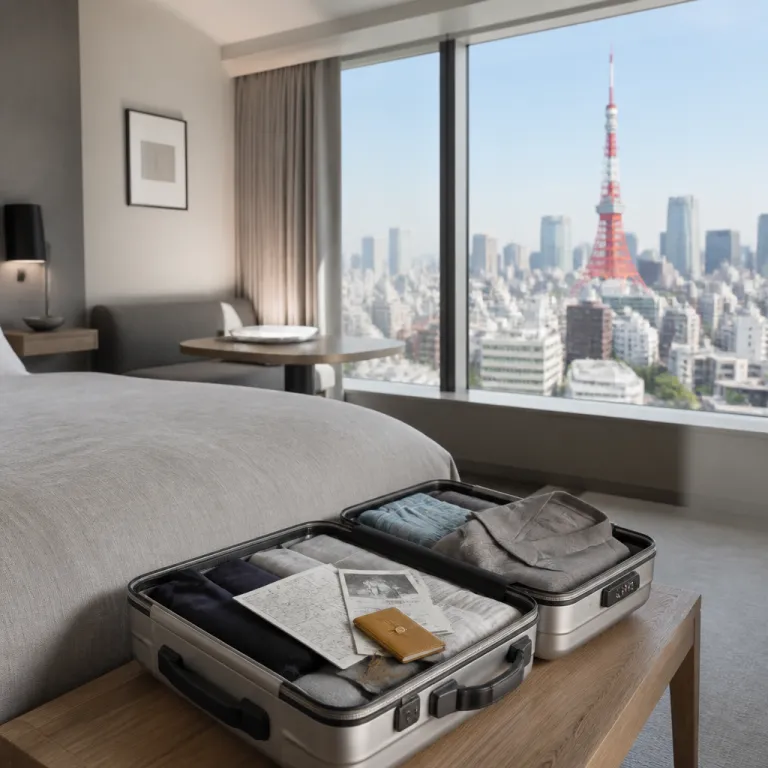
Understanding where to stay in Tokyo for your first visit
Choosing where to stay in Tokyo shapes how you experience the city. For many first time visitors asking where to stay in Tokyo, the answer often begins with Shinjuku or Shibuya because these districts combine convenience, energy, and an extraordinary range of hotels. When you compare each area, think about your ideal stay, your preferred pace, and how much Tokyo time you want to spend commuting between a hotel and the sights.
Tokyo is a vast city in Japan, and the question of where to stay can feel overwhelming when every station seems like a small town of its own. Travel guides and city reports frequently note that “Shinjuku is ideal for first-time visitors due to its central location and amenities”, which reflects what many travellers report after they have stayed, especially those who want easy access to multiple train lines and late night dining. If you stay in Tokyo in a central area such as Shinjuku, Shibuya, or near Tokyo Station, you reduce travel time dramatically and gain more hours for exploring places like Asakusa, Ueno, and Ginza in a single day.
When deciding where to stay in Tokyo, start with your arrival point and your departure point. Travellers landing at Haneda Airport often prefer a hotel along the Tokyo Monorail or near Tokyo Station, while those arriving at Narita might favour Ueno or the eastern side of the city. For example, Haneda → Tokyo Station via Tokyo Monorail to Hamamatsuchō and a JR transfer typically takes around 30 minutes, while Narita → Ueno on the Keisei Skyliner is about 40–45 minutes. Think about whether you want a place to stay that feels like the heart of the city, or whether quieter residential streets in Minato City or Ueno would create a better balance between rest and exploration.
Shinjuku and Shibuya: energetic hubs for a connected stay
Shinjuku is one of the best answers when you ask where to stay in Tokyo for connectivity. Shinjuku Station handles around 3,600,000 people every day according to figures cited by the Tokyo Metropolitan Government, which means that almost every train line you need for your stay in Tokyo passes through this single hub. For first time visitors who want to move quickly between areas, staying near this station turns the entire city into your extended neighbourhood.
The Shinjuku area offers a dense concentration of Tokyo hotels, from efficient mid range properties to polished luxury hotels with panoramic city views. Around the east exit you find compact rooms designed for short stays, while the west side and south terrace host larger rooms that appeal to families and business travellers who need more space. Typical business hotel rooms here start around 12–18 square metres, while upscale hotels may offer 25–40 square metre rooms. Nightly rates for standard rooms usually range from about ¥10,000–¥18,000 for business hotels to ¥30,000 and above for high end properties, and many travellers say that where they stayed becomes part of their Tokyo story when they choose a playful landmark such as Hotel Gracery Shinjuku with its Godzilla head on the terrace.
Shibuya, just a few minutes from Shinjuku by JR or private railway lines, suits visitors who want nightlife, fashion, and a youthful atmosphere right outside the hotel lobby. The area to stay around Shibuya Station has transformed with new towers, and properties such as Tokyu Stay Shibuya offer practical rooms with washing machines and kitchenettes that are ideal for longer staying guests. Hotels near the Hachikō Exit or Shibuya Scramble Square place you close to the crossing, with typical nightly prices from roughly ¥12,000–¥20,000 for mid range rooms. When you compare Shinjuku and Shibuya as places to stay, Shinjuku excels for transport and variety, while Shibuya feels more compact and walkable, which many guests consider the best balance for a first or second stay in Tokyo.
Tokyo Station, Ginza and Minato City: refined stays with easy airport access
For travellers who prioritise efficiency, the area around Tokyo Station is often the best place to stay in the city. From here the Shinkansen connects you to the rest of Japan, and JR lines and airport services link Tokyo Station with Haneda Airport in around 30 minutes, depending on the route and time of day. Many business travellers choose to stay in Tokyo in this district because they can walk from their room to meetings in Marunouchi offices or to luxury shopping streets in nearby Ginza.
Ginza itself is renowned for high end retail and fine dining, and it offers some of the most polished luxury hotels in Tokyo. Travel information commonly notes that “Ginza is renowned for its luxury shopping and fine dining options”, which accurately reflects the experience of guests who want Michelin starred restaurants and flagship stores within a few minutes of their hotel rooms. When you ask where to stay in Tokyo for a special occasion, Ginza and the Tokyo Station area often top the list, especially for travellers who value quiet streets at night and refined service over the constant buzz of Shinjuku or Shibuya. Expect typical nightly prices from around ¥18,000–¥25,000 for mid range hotels and ¥35,000 or more for luxury stays.
South of these districts, Minato City stretches from the business towers of Toranomon to the waterfront around Odaiba, offering a wide range of hotels and residential style stays. This area to stay is ideal if you want to be close to Tokyo Tower, embassy districts, and corporate headquarters while still reaching Shibuya or Roppongi in a short taxi ride of around 10–20 minutes. Properties such as Park Hotel Tokyo in Shiodome combine art focused interiors with direct access to the Yurikamome and JR lines, making Minato City a great compromise between business practicality and leisure oriented staying in Tokyo. Room rates here vary widely, but many mid range hotels start around ¥14,000–¥20,000 per night, with premium options higher.
Asakusa and Ueno: traditional streets and cultural stays in eastern Tokyo
Travellers who ask where to stay in Tokyo for a sense of history are often directed to Asakusa and Ueno. Asakusa is one of the few areas where you can step out of a modern hotel and immediately see the lantern of Sensō temple glowing at the end of a shopping street. When you choose a place to stay here, you trade some late night buzz for early morning walks through temple grounds and riverside paths with views of the Skytree.
Travel resources frequently summarise the area by saying that “Asakusa offers a rich traditional atmosphere with temples and markets”, which captures why many repeat visitors decide to stay in Tokyo on this side of the city. Around Sensō temple, narrow lanes are lined with guesthouses, mid range hotels, and small properties where rooms may be compact but the sense of neighbourhood is strong. Typical nightly prices for simple business hotels and guesthouses often fall between ¥7,000 and ¥13,000, and this area to stay works particularly well for visitors who have already experienced Shinjuku and Shibuya and now want to explore craft shops, river cruises, and old style entertainment streets at a slower pace.
Just a few stops away, Ueno forms another excellent answer to the question of where to stay in eastern Tokyo. The district is known as a cultural hub, with Ueno Park hosting around 10 museums according to the Tokyo Metropolitan Government, and many Tokyo hotels here offer easy access to both the park and Ueno Station. For travellers arriving from northern Japan by Shinkansen, Ueno is a great place to stay because you can roll your suitcase straight from the platform to your room, then spend your Tokyo time visiting galleries, the zoo, and Ameyoko market without long transfers. Budget and mid range rooms near the station typically cost from about ¥8,000–¥15,000 per night, depending on season and room size.
Matching hotel style, budget and room type to each Tokyo area
Once you have chosen where to stay in Tokyo, the next step is to match your budget and preferred room style to the district. In Shinjuku and Shibuya, you find everything from efficient mid range hotels with compact rooms to full service luxury hotels with large suites and club lounges. Many travellers who stayed in these areas note that the room size is smaller than in other countries, so checking square metres carefully before booking helps you choose the right place to stay for your comfort.
Near Tokyo Station, Ginza, and Minato City, the focus tilts towards business travellers and high end leisure guests, which means a higher concentration of luxury hotels and executive style rooms. Properties such as Park Hotel Tokyo, Tokyu Stay, and international brands around the station often provide amenities like in room washing machines, kitchenettes, and dedicated workspaces that appeal to longer staying guests. When you compare prices, you may find that a mid range room in Ginza costs as much as a larger room in Ueno or Asakusa, so deciding where to stay becomes a balance between space, location, and the overall Tokyo hotels experience you want.
In Asakusa and Ueno, the hotel landscape leans towards practical mid range options, traditional inns, and simple business hotels that offer excellent value. These areas are ideal places to stay for travellers who plan to spend most of their Tokyo time outside and simply need a clean, quiet room near a major station. Families and small groups often appreciate that they can book multiple rooms here for the same budget as a single larger room in a central luxury property, which can transform how long they can afford to stay in Tokyo.
Practical tips on transport, timing and choosing your ideal place to stay
When you decide where to stay in Tokyo, transport should be as important as the hotel brand. Staying within a 5 to 10 minute walk of a major station such as Shinjuku, Shibuya, Tokyo Station, or Ueno Station can save you more than an hour of Tokyo time every day. For travellers arriving at Haneda Airport, choosing a place to stay along the Tokyo Monorail or near stations with direct airport trains reduces stress at both the start and end of the trip.
Think carefully about your daily rhythm and how that matches each area to stay across the city. Night owls often prefer Shinjuku and Shibuya because restaurants and entertainment stay open late, while early risers may find Asakusa and Ueno more appealing for quiet morning walks and easy access to temples and museums. If you plan to visit Tokyo Tower, Odaiba, and business districts frequently, then Minato City or the Shiodome area around Park Hotel Tokyo can be a great base that shortens travel times.
Finally, reflect on where you stayed on past trips and what you liked or disliked about those hotels and rooms. Some travellers realise that a smaller room in a central district is the best trade off, while others decide that larger rooms in slightly less central places to stay suit them better for longer staying visits. By weighing your priorities against the character of each area, you can answer your own question of where to stay in Tokyo with confidence and choose a hotel that turns the city into an effortless extension of your room.
Key figures to guide where to stay in Tokyo
- Shinjuku Station handles around 3,600,000 passengers per day according to data reported by the Tokyo Metropolitan Government, making it one of the busiest transport hubs in the world and a strategic place to stay for travellers who want to minimise transfer times across the city.
- Ueno Park hosts around 10 museums according to the Tokyo Metropolitan Government, which means that staying in Ueno places you within walking distance of a dense concentration of cultural attractions in Tokyo.
- The main districts highlighted for visitors — Shinjuku, Shibuya, Asakusa, Ginza, and Ueno — cover a compact area within central Tokyo, allowing first time visitors to explore multiple neighbourhoods in a single day when they choose a hotel near a major station.
- Tokyo’s central wards such as Minato City, Chiyoda, and Chūō offer some of the highest densities of luxury hotels in Japan, which is why areas around Tokyo Station, Ginza, and Tokyo Tower are often recommended for travellers seeking premium stays.
FAQ: where to stay in Tokyo
Which Tokyo district is best for first time visitors
Shinjuku is widely regarded as the best area for first time visitors because it combines a central location, extensive shopping and dining, and outstanding rail connections. Many official tourism sources state that “Shinjuku is ideal for first-time visitors due to its central location and amenities”, and this matches the experience of many travellers who value convenience. From a single hotel in Shinjuku you can reach Shibuya, Asakusa, Ueno, and Tokyo Station quickly, which makes it an efficient base for a short stay.
Where should I stay in Tokyo for traditional culture
If your priority is traditional culture, Asakusa is the best answer to where to stay in Tokyo. The district is home to Sensō temple, historic shopping streets, and riverfront walks that preserve a sense of old Tokyo. Many travellers choose a mid range hotel or traditional inn here so they can enjoy the temple grounds early in the morning and late at night, when day trip crowds have gone.
Which area is best for luxury hotels and high end shopping
Ginza and the Tokyo Station area are the prime districts for luxury hotels and high end shopping in Tokyo. Tourism and city guides often note that “Ginza is renowned for its luxury shopping and fine dining options”, and this is reflected in the concentration of flagship stores and acclaimed restaurants. Travellers who want refined service, spacious rooms, and easy access to both business districts and cultural sites often choose to stay in Tokyo in these neighbourhoods.
Is it better to stay near Tokyo Station or in Shinjuku
Staying near Tokyo Station is better if you plan to use the Shinkansen frequently or need quick access to Haneda Airport, while Shinjuku is better if you want nightlife, diverse dining, and easy connections across the western side of the city. Tokyo Station offers a more business oriented atmosphere and a higher share of luxury hotels, whereas Shinjuku provides a broader range of mid range and budget options. Your choice of where to stay should depend on whether you value transport to other regions of Japan or the energy of central Tokyo more.
Which area is most convenient for families visiting Tokyo
Families often find Ueno and Shinjuku to be the most convenient areas for a stay in Tokyo. Ueno offers quick access to Ueno Park, museums, and the zoo, which keeps daily travel times short for children, while Shinjuku provides a wide choice of family friendly hotels and direct trains to many attractions. When choosing a place to stay, families should look for larger rooms, easy station access, and nearby supermarkets or casual restaurants to simplify daily routines.