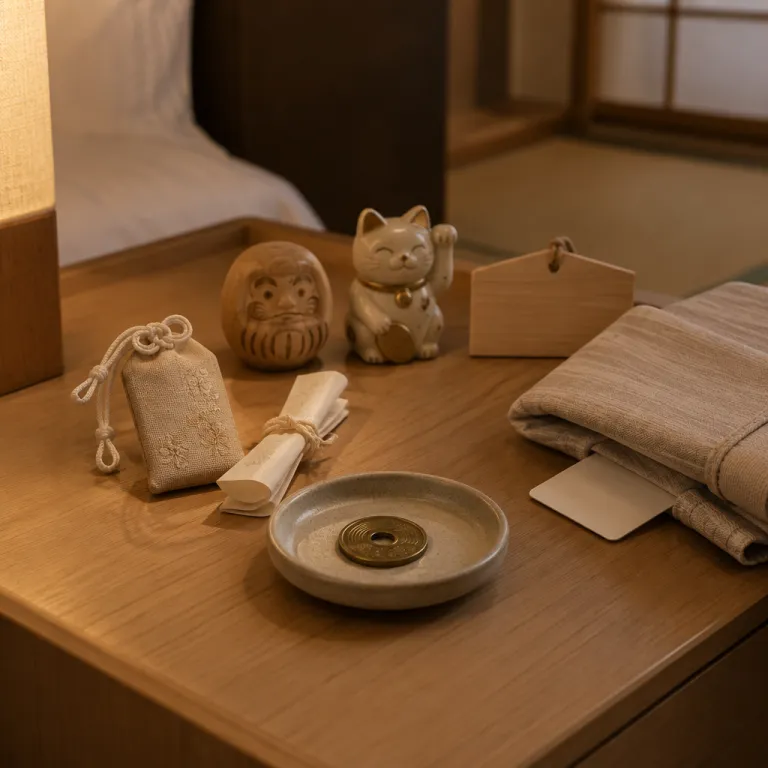
How luck in Japan shapes where you stay in Tokyo
Choosing a hotel in Tokyo becomes richer when you understand how ideas of luck in Japan quietly shape daily life. In a city where Japanese culture blends neon with centuries-old shrines, your address influences how easily you meet lucky moments between check-in and bedtime. Many Japanese people choose locations near a shrine or temple, believing this brings good fortune, good health, and sometimes even long life.
In Tokyo, beliefs about luck are not an abstract idea but a practical guide for where to sleep, eat, and shop. Stay near Senso-ji in Asakusa and you wake to the sound of visitors drawing omikuji fortune slips, while a hotel in Shibuya or Shinjuku places you close to shops selling lucky charms and playful maneki neko figures. These neighbourhoods let you learn how Japanese wisdom about happiness and auspicious days shapes everything from morning shrine visits to late-night food choices.
Think of your hotel as a base camp for exploring Japanese good omens scattered across the city. A short walk from reception might lead to a small shrine tucked between towers, a traditional Japanese sweet shop, or a quiet gallery of Japanese art that locals treat almost like national treasures. When you book your room with this in mind, you weave good luck rituals into your travel life instead of treating them as separate tourist activities.
Choosing a lucky Tokyo neighbourhood for your hotel
Where you sleep in Tokyo subtly changes how you meet everyday expressions of luck in Japan. Asakusa, Ueno, and Yanaka offer easy access to shrine precincts, traditional Japanese streets, and family-run food shops where local people still follow seasonal rituals. Shinjuku, Shibuya, and Ginza feel more modern yet hide small shrines and lucky cat statues between towers, giving you a different style of Japanese good fortune experience.
For a first visit, match your hotel choice with how you want to learn about Japanese culture and auspicious customs. A stay near Asakusa lets you walk to Senso-ji at dawn, breathe incense for good health, and watch locals tie unlucky omikuji to racks so bad luck stays behind. If you prefer a sleek skyline, a Shinjuku hotel keeps you close to department store basements where you can shop for maneki neko, protective amulets, and even limited-edition Kit Kat flavours that many travellers treat as playful symbols of happiness and luck.
To balance comfort, transport, and cultural depth, use a detailed Tokyo travel planning resource such as this Tokyo travel tips for first timers guide. Check how far your preferred hotel sits from key train lines, a local shrine, and at least one area known for Japanese art or traditional Japanese crafts. When price, location, and access to lucky gods all align, you gain a base that feels both practical and quietly blessed.
Designing a four day luck themed itinerary from your hotel
Once your room is booked, shape a four day plan that threads Japanese ideas of luck through each outing. Start one morning at a nearby shrine to greet the lucky gods, then continue to a museum or gallery where Japanese art and designated national treasures reveal how good fortune has been painted, carved, and written for centuries. In the afternoon, return to your hotel to rest before an evening food walk that lets you taste how Japanese good luck appears in seasonal dishes and sweets.
On another day, use your Tokyo base as a launchpad for a side trip toward Mount Fuji, which many Japanese people regard as a symbol of long life and renewed luck. Whether you see the mountain from a train window or join a guided excursion, pair the view with a quiet moment of reflection on how this landscape shapes Japanese wisdom about resilience and good health. Back in Tokyo, you might visit a shop that sells framed Japanese art prints of Mount Fuji, turning a fleeting sight into a lasting reminder of your journey.
For a structured yet elegant schedule, consult a resource such as this four days in Tokyo itinerary from your hotel. Use it as a flexible guide, weaving in stops at maneki neko shops, traditional Japanese tea houses, and small galleries that publish thoughtful articles about Japanese culture. By the end of four days, your hotel will feel less like a neutral room and more like a hub for curated good fortune.
From maneki neko to lucky charms: shopping routes from your hotel
Tokyo hotels often sit within a short walk or train ride of streets lined with objects linked to luck in Japan. In Asakusa’s Nakamise-dori, for example, you can shop for maneki neko figurines, embroidered omamori charms, and folding fans decorated with Japanese art motifs that reference lucky gods and seasonal blessings. These items are not only souvenirs; they are small pieces of Japanese wisdom designed to carry good fortune into daily life.
Plan a simple route from your hotel that links a shrine, a speciality shop, and a food stop, turning a casual outing into a themed walk. Start at a local shrine to offer a coin and bow for good health, then follow side streets to a shop that sells a wide variety of lucky cat designs, from minimalist ceramics to colourful toys. Finish at a café or traditional Japanese sweets counter where you can taste regional Kit Kat flavours or wagashi, reflecting on how Japanese people blend playfulness and spirituality when they talk about happiness and luck.
When comparing prices, remember that the value of these objects lies in both craftsmanship and cultural meaning, not only in the number on the price tag. A hand-painted maneki neko or a finely woven charm may cost more than mass-produced items, yet it often carries motifs drawn from designated national treasures or classical Japanese art. Before you book your hotel, check whether nearby streets host regular markets, as these can offer good price options and a chance to speak directly with artisans about Japanese lucky symbols.
Food, hospitality, and the taste of good fortune in Tokyo
Hotel location in Tokyo strongly influences how easily you taste the flavours associated with luck in Japan. Many Japanese people link certain food with good fortune, such as long noodles for long life, red and white sweets for celebrations, and tai sea bream for success. When your hotel sits near a lively dining district, you can step out each evening and join these rituals without long commutes.
Look for hotels that collaborate with nearby restaurants or offer in-room delivery from respected local kitchens, especially if you arrive late or travel with family. This kind of delivery service lets you enjoy seasonal Japanese food, from grilled fish to bento, while reading hotel articles or guides about the meaning behind each dish. Over several nights, you will learn how Japanese culture treats meals as a way to invite good luck, good health, and shared happiness into the home or hotel room.
Breakfast buffets often include both Western options and traditional Japanese items such as grilled salmon, miso soup, and rice, which many travellers find surprisingly good for starting a busy day. When you see small lucky cat figures or subtle Japanese art motifs in the dining room, they are not random decorations but quiet nods to Japanese beliefs about fortune. Ask staff for recommendations on nearby shops or shrines connected to food blessings, and you will quickly build a personal guide to edible good fortune around your chosen address.
Pairing your hotel with refined cultural tours and local guides
Once you have a comfortable base, the next step is pairing that hotel with cultural experiences that reveal how ideas of luck in Japan live in streets, shrines, and studios. Many licensed guides in Tokyo specialise in Japanese culture, leading small groups through neighbourhoods where traditional Japanese crafts, tea ceremonies, and shrine rituals still shape local life. When you join such a tour, you gain context for every lucky cat statue, every charm, and every offering you see.
Consider booking a hotel that works closely with English-speaking guides who can explain Japanese wisdom in clear, nuanced language. A well designed itinerary might include a morning at a shrine learning about lucky gods, an afternoon in a workshop where you paint your own maneki neko, and an evening stroll through alleys where local people quietly stop to pray for good health or exam success. To coordinate these experiences smoothly, use a resource such as this guide on how to pair your hotel with refined Tokyo guided tours in English, which helps align tour timing, hotel location, and your personal interests.
High quality tours rarely have the lowest price, yet they often provide the best long term value because they deepen your understanding of luck, happiness, and Japanese customs. Look for itineraries that include both major sites and quieter corners, such as small galleries of Japanese art or family-run shops selling a wide variety of lucky charms. When your hotel concierge, your chosen guide, and your own curiosity work together, Tokyo stops feeling like a maze and becomes a living classroom in Japanese lucky traditions.
Key figures on Tokyo travel, hotels, and cultural experiences
- According to the Japan National Tourism Organization (JNTO), Tokyo recorded approximately 14.24 million international overnight visitors in 2019, making it one of the most visited cities in Japan for travellers seeking Japanese culture and urban comfort (JNTO, “Japan Tourism Statistics 2019,” published 2020).
- Data from the Tokyo Metropolitan Government’s tourism statistics indicate that the city offers well over 100,000 hotel rooms across categories, giving visitors a wide variety of price points and locations near shrines, museums, and major train hubs (Tokyo Metropolitan Government, “Tokyo Tourism Statistics Annual Report 2019”).
- Surveys by the Japan Tourism Agency on consumption trends in 2019 show that cultural activities such as shrine visits, traditional Japanese performances, and local food experiences rank among the top motivations for inbound travellers choosing Japan (Japan Tourism Agency, “Consumption Trend Survey for Foreigners Visiting Japan 2019”).
- Visitor statistics for Senso-ji in Asakusa report tens of millions of annual visits, underlining how central this shrine is for travellers interested in good fortune rituals and historical Japanese art within Tokyo (Taito City tourism data, 2019 overview).
- Regional tourism data around Mount Fuji highlight that day trips from Tokyo account for a significant share of visits, reflecting how strongly this mountain symbol of long life and good luck features in international itineraries (Japan Tourism Agency, regional tourism statistics 2019).
FAQ about Tokyo hotels and luck focused cultural stays
Which Tokyo neighbourhood is best for a culturally rich first stay ?
Asakusa is often the best choice for a first visit focused on Japanese culture and luck themed experiences. You can walk from many hotels to Senso-ji, Nakamise shopping street, and the Sumida River, combining shrine rituals, traditional Japanese shops, and relaxed evening strolls. Ueno and Yanaka also work well if you want quieter streets, museums of Japanese art, and easy train access.
How close should my hotel be to a train or metro station ?
For most travellers, staying within 500 metres of a major station such as Shinjuku, Tokyo, Ueno, or Asakusa offers the best balance of comfort and mobility. This distance keeps walks manageable with luggage while still allowing quick access to cultural sites, food districts, and day trips toward Mount Fuji. Proximity to a station also makes it easier to join guided tours that start early or finish late.
Can I experience traditional Japanese culture without leaving central Tokyo ?
Yes, central Tokyo offers many ways to learn about traditional Japanese customs while staying near your hotel. You can attend tea ceremonies, visit shrines, explore museums holding national treasures, and join workshops on calligraphy or Japanese art within a short train ride. Choosing a hotel near cultural hubs such as Ueno, Asakusa, or Nihonbashi makes these experiences especially convenient.
Are guided tours worth the price compared with exploring alone ?
Guided tours usually cost more than self guided walks, but they often deliver better value if you care about understanding Japanese wisdom and local context. A skilled guide can explain the meaning of lucky gods, shrine etiquette, and everyday rituals that might otherwise pass unnoticed. Many travellers find that one or two high quality tours early in their stay improve every later walk they take alone.
How can I bring good fortune souvenirs home safely from Tokyo ?
Pack fragile items such as maneki neko figures or ceramic lucky cat charms in clothing, and keep them in your cabin luggage if possible. Paper amulets and small luck charms from shrines travel well in flat pouches or envelopes, so they rarely add weight or risk. If you buy larger pieces of Japanese art, ask the shop about protective tubes or delivery options to your home country.
References
- Japan National Tourism Organization (JNTO), “Japan Tourism Statistics 2019,” published 2020.
- Tokyo Metropolitan Government, “Tokyo Tourism Statistics Annual Report 2019.”
- Japan Tourism Agency, “Consumption Trend Survey for Foreigners Visiting Japan 2019.”