Why instagrammable spots in Tokyo matter when choosing your hotel
Tokyo rewards travellers who plan their photos as carefully as their rooms. When you shortlist hotels in the city, think about how quickly you can reach the most instagrammable spots in Tokyo for sunrise, blue hour, and late night shoots. A well located base near a major station or crossing saves time and turns every spare hour into a potential photo session.
Many visitors compare Tokyo with Kyoto, weighing traditional temples against neon street scenes. In reality, combining both cities gives you classic Japan photos in Kyoto and ultra urban photo spots in Tokyo, especially if you fly through Tokyo International Haneda and stay near efficient train lines. When you book, study the hotel’s website map, check the exact address and nearest station, then plot key photo spots on your own map before you arrive.
For guests who care about every frame, distance in minutes matters more than distance in kilometres. A hotel in Shinjuku or Shibuya City can place you within a short walk of several top instagrammable spots, from lantern alleys to futuristic towers. That proximity lets you react to changing light, slipping out in the early morning or at the blue hour whenever the sky and street look perfect.
Shinjuku and Shibuya City: neon streets, crossings, and late night energy
Shinjuku is one of the best districts for travellers who want nightlife, transport, and instagrammable streets in a single compact area. Around Shinjuku Station you will find dense clusters of signs, narrow lanes, and classic photo spots that work in almost any weather or light. Staying nearby means you can step out after an hour of rest and still capture the city at its most electric.
Omoide Yokocho, a tiny alley near the west side of Shinjuku Station, is famous for smoky yakitori stalls and nostalgic lanterns that create intimate photo spot opportunities. Visit in the early morning for quiet, moody photos of empty lanes, then return at night when the light from paper lanterns and shopfronts turns the street into one of the most atmospheric corners Tokyo offers. Before you go, ask your hotel concierge to write the full address in Japanese so you can show it to taxi drivers or station staff if you get turned around in the backstreets.
Across town, Shibuya City is defined by its legendary crossing, where hundreds of people move in every direction at once. The Shibuya Crossing is among the most instagrammable spots in Tokyo, especially when you shoot from elevated cafés or station viewpoints that show the entire street grid. Shinjuku Station and Shibuya Station are linked by the JR Yamanote Line in about 7 to 10 minutes, so choosing a hotel with quick access to either hub lets you photograph the crossing in daylight, at blue hour, and in the rain when reflections make your photos unforgettable.
Classic icons: Tokyo Tower, Azabudai Hills, and skyline photo spots
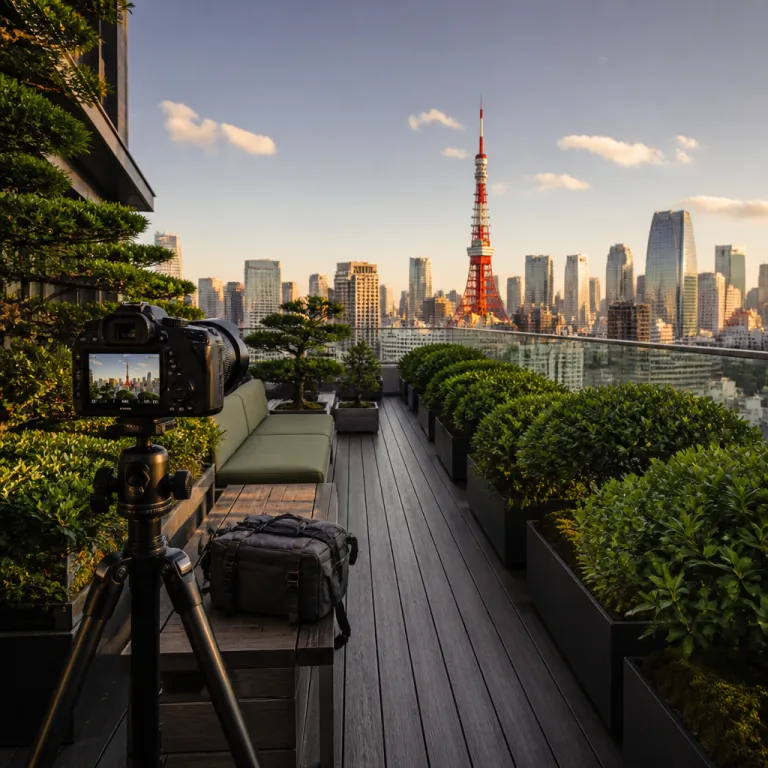
For many guests, no stay in Tokyo feels complete without a frame of Tokyo Tower glowing above the city. The tower’s warm light contrasts beautifully with the cooler tones of surrounding skyscrapers, giving you some of the best photo opportunities in the capital. When you choose a hotel, consider whether you prefer a direct tower view from your room or quick access to external vantage points that frame the landmark creatively.
Tokyo Tower itself offers multiple observation decks and carefully marked viewing areas where you can capture the city in every direction. Around the base, explore side streets and small parks to find a more personal photo spot, especially during cherry blossom season when soft pink flowers frame the red structure. To avoid confusion with similar street names, confirm the exact address and nearest station on the official Tokyo Tower website or with your reception team before you set out.
Nearby Azabudai Hills has quickly become one of the most instagrammable spots in Tokyo for travellers who appreciate contemporary architecture and landscaped terraces. From certain angles, you can align Azabudai Hills with Tokyo Tower in a single photo, creating a layered skyline that feels both modern and timeless. Hotels in this part of the city tend to be quieter at night, yet you remain close enough to reach Shibuya City or Shinjuku by train within about 15 to 20 minutes for more dynamic street photos.
Tradition and tranquillity: shrines, gardens, and seasonal cherry blossoms
Not every instagrammable spot in Tokyo is defined by neon and glass. Meiji Shrine, set within a vast forested park near Harajuku Station, offers a calm counterpoint to the surrounding city and produces serene photos that feel timeless. Early morning is the best time to walk the gravel paths, photograph the towering torii gates, and enjoy soft light filtering through the trees.
Nearby, Takeshita Street in Harajuku delivers a completely different energy, with colourful shopfronts, crepe stands, and fashion statements on every corner. Many travellers choose a hotel between Shinjuku and Harajuku so they can move easily from peaceful shrine to vibrant street, collecting a diverse set of photos in a single day. When you plan your route, save each address and station name on your phone, then confirm details on the official website of each attraction before you go.
For more traditional landscapes, Kiyosumi Gardens in eastern Tokyo offers ponds, stepping stones, and manicured trees that look beautiful in every season. During cherry blossoms, the reflections of petals on the water create some of the best photo spots for guests who prefer nature over crowds. If you are staying near Tokyo International airports, consider visiting on your arrival or departure day, as the garden’s relaxed pace contrasts nicely with the energy of central districts Tokyo is known for.
Playful modernity: mirrored plazas, digital art, and cinematic details
Some of the most instagrammable spots in Tokyo combine architecture, art, and a touch of theatre. Tokyu Plaza Omotesando Harajuku is renowned for its mirrored entrance, where escalators rise through a kaleidoscope of reflections that turn every photo into a statement. Staying in a hotel near Omotesando or Harajuku gives you the freedom to visit several times a day, testing different angles and light conditions.
Teamlab Borderless, a digital art museum originally based in Odaiba and now associated with the Tokyo Bay area, offers immersive rooms where light, colour, and sound respond to your movements. Because many installations are dark, you will want to plan your shoot carefully, adjusting your camera or phone settings before you step inside each gallery. Check the official TeamLab website for the current venue, opening hours, and ticket times, then allow at least an hour or two so you can move slowly, experiment with compositions, and avoid rushing your photos.
Film fans often add the Godzilla Head in Shinjuku to their list of instagrammable spots, especially at night when the creature appears to loom over the street. From certain hotel rooms in Shinjuku, you can even frame the Godzilla Head against the skyline, creating playful photos without leaving your building. One photographer described waiting through three light cycles at the crossing below until a single red taxi entered the frame, proving that the best photo often comes when you pause, watch the light, and wait for the right moment rather than shooting continuously.
Planning your shooting schedule from your Tokyo hotel
Thoughtful timing is the difference between ordinary photos and images that truly stand out. In Tokyo, the early morning offers quiet streets, soft light, and space to work, while the blue hour wraps the city in a gentle glow that flatters both people and architecture. When you check in, ask reception for sunrise and sunset times, then sketch a simple plan that links each time of day to specific instagrammable spots.
For example, you might start at Shibuya Crossing at dawn, move to Meiji Shrine mid morning, then finish at Tokyo Tower or Azabudai Hills after dark. On another day, you could focus on Shinjuku, capturing Omoide Yokocho in the early morning, the Godzilla Head at dusk, and nearby streets after the neon signs reach full brightness. A third sample day could take you from Kiyosumi Gardens at opening time to Tokyu Plaza Omotesando Harajuku in the afternoon, then on to Tokyo Skytree for sunset and blue hour cityscapes.
Always record the full address for each location you plan to visit, including any building names or floor numbers for indoor viewpoints. Save these in both English and Japanese on your phone, then confirm directions with hotel staff, who often know the best photo spots and quiet back streets. Before you leave your room, check each attraction’s website for any schedule changes, and remember to visit early to avoid crowds, check weather forecasts for optimal lighting, and respect local customs and guidelines.
Key figures for visually minded travellers in Tokyo
- Meiji Shrine welcomes several million visitors each year according to tourism reports, which means arriving in the early morning significantly increases your chances of calm photos without large crowds in the frame.
- Tokyo Skytree rises to 634 metres, making it one of the tallest structures in Japan and a powerful backdrop for wide city skyline shots from many hotel rooms and rooftop bars.
- Major attractions such as Tokyu Plaza Omotesando Harajuku, Meiji Shrine, Kiyosumi Gardens, Asakusa’s Sensō ji, Tokyo Skytree, Azabudai Hills, and Tokyo Tower operate on most days of the year, so hotel guests can plan flexible shooting days around weather and light.
- The rise in social media driven tourism has pushed many hotels in Tokyo to highlight nearby photo spots on their website maps, which helps guests align room choices with their preferred instagrammable streets and landmarks.
FAQ: instagrammable spots in Tokyo for hotel guests
What is the best time to visit Tokyo Skytree for photos?
Evening hours offer stunning sunset views from the observation decks, so hotel guests should reserve late afternoon tickets and stay through blue hour. From nearby hotels, you can also photograph the tower itself as it lights up against the darkening sky. Combining interior observation deck photos with exterior skyline shots gives you a complete visual story of this landmark.
Are there entrance fees for the main instagrammable spots in Tokyo?
Some locations, such as Tokyo Skytree, Kiyosumi Gardens, and certain Teamlab Borderless exhibitions, charge entrance fees that vary by time and ticket type. Others, including Shibuya Crossing, Omoide Yokocho, and many streets around Tokyo Tower or Azabudai Hills, are free to access at any hour. Always check each attraction’s website or ask your hotel concierge for the latest prices before planning a long photo shoot.
Is photography allowed at shrines, temples, and museums in Tokyo Japan?
Photography is generally allowed at major shrines and temples such as Meiji Shrine and Sensō ji, but some inner halls or prayer areas may prohibit photos. Museums and digital art spaces like Teamlab Borderless usually permit photography, yet they may restrict tripods or flash to protect artworks and visitor flow. Follow posted signs, respect staff instructions, and ask your hotel to clarify any rules if you are unsure.
How can I combine a hotel stay in Tokyo with a visit towards Mount Fuji or Kyoto?
Many travellers base themselves in Tokyo for several nights, then take a day trip towards Mount Fuji or continue by shinkansen to Kyoto for more traditional Japan photos. Choosing a hotel near a major station such as Tokyo, Shinagawa, or Shinjuku reduces transfer time and makes early departures easier. You can capture instagrammable spots in Tokyo at dawn, board a train mid morning, and still reach new photo spots in another region by early afternoon.
Which districts are best for first time visitors who prioritise photography?
For a first stay focused on instagrammable spots, Shinjuku and Shibuya City offer the strongest mix of transport, nightlife, and varied photo spots within walking distance. Guests who prefer quieter evenings and skyline views might choose hotels near Tokyo Tower, Azabudai Hills, or the bayside areas that connect easily to Teamlab Borderless. Wherever you stay, confirm the exact address and nearest station, then build a simple map of your priority photo spots before you arrive.
Trustful expert sources
- The Points Guy – coverage of Meiji Shrine visitor numbers and major instagrammable locations in Tokyo.
- GetYourGuide – practical information on Tokyo Skytree height, ticketing, and visiting times.
- Japan Journeys – curated guides to photogenic temples, shrines, and traditional districts in Tokyo Japan.