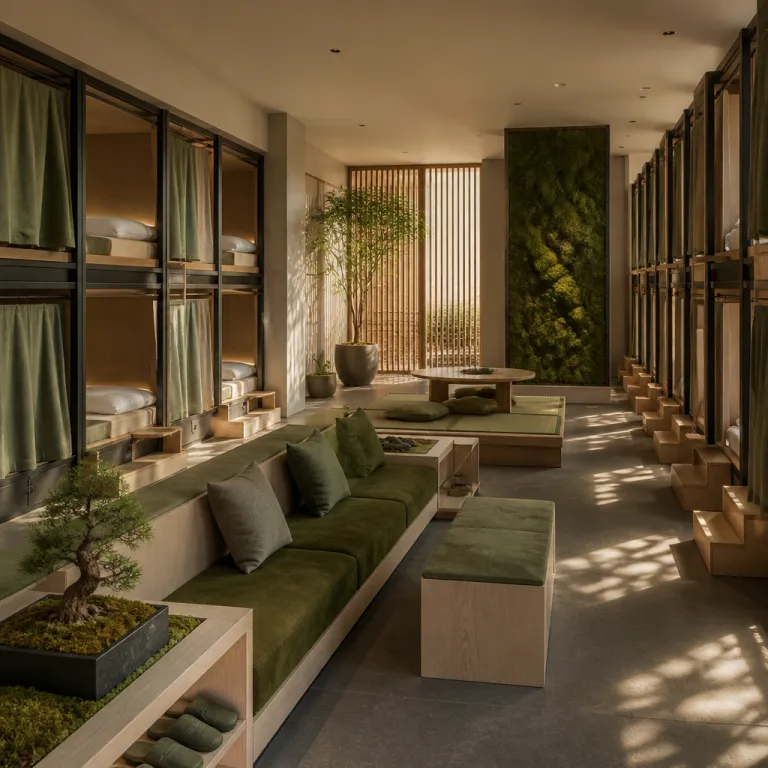
What a refined Tokyo capsule hotel experience really feels like
Stepping into your first capsule hotel in Tokyo can feel surreal. You move from the neon rush of trains and traffic into a hushed lobby where staff manage check in with quiet efficiency, and this contrast sets the tone for a very particular capsule hotel experience in the city. For many travelers, that first glimpse inside a compact sleeping pod becomes a defining memory of their stay in Japan.
Across Tokyo, capsule-style accommodation is designed around compact sleeping pods arranged in neat rows, usually stacked two high in a calm shared room area. Each individual capsule or pod typically measures around 2 m², yet the way many properties provide lighting, ventilation, and storage makes the inside space feel more like a private cocoon than a cramped compartment. Guests quickly learn that staying capsule style is less about luxury and more about intelligent design that respects both privacy and the realities of limited urban space in Japan.
During a typical night, you will slip into your assigned capsule, pull down a blind or door, and settle into a surprisingly comfortable sleeping zone with a mattress, pillow, and controls for light and sometimes a small television. The layout means that sleeping pods share the same floor as lockers, shower stalls, and other shared facilities, so movement is efficient even during busy hours. For travelers who value a budget friendly stay without sacrificing cleanliness or safety, this kind of compact arrangement can feel like the ideal compromise between a hostel dorm and a conventional hotel room.
Choosing the right capsule hotels in Tokyo for your stay
Location shapes every capsule stay in Tokyo, and nowhere is this clearer than in Shinjuku. Around Shinjuku Station and especially toward the north side, capsule hotels cluster near major train lines, nightlife streets, and late opening restaurants, which makes them practical if you worry about a missed train after a long evening. When you choose a pod hotel in this area, you will often trade a slightly smaller room footprint for unbeatable access to trains and entertainment.
Travelers focused on sightseeing might prefer capsule hotels in quieter districts of Tokyo, where the surrounding area feels more residential and the nights are calmer. In these properties, operators often emphasize relaxation, with dimmer lighting, softer color palettes, and shared facilities such as lounges or small libraries that encourage a slower pace between sightseeing hours. Whether you stay in Shinjuku, Ueno, Asakusa, or near Tokyo Station, the key is to match your sleeping pod environment to the rhythm of your planned stay in Japan.
When comparing capsule-style hotels across Japan, pay attention to practical details that will shape your sleep and comfort. Some properties provide gender specific floors, while others mix pods but separate shower stalls and changing rooms, and this can matter for solo travelers who value privacy. Look carefully at whether your chosen place provides amenities such as slippers, pyjamas, and toiletries, because these small touches can transform a simple capsule into a restful base for several nights.
Inside capsule life: layout, shared facilities, and sleep quality
Life inside capsule hotels revolves around a simple rhythm of check in, shower, sleep, and check out, all orchestrated within carefully planned shared spaces. You will usually leave your large luggage in a locker or storage room, then move through corridors of pods to reach your assigned capsule, which becomes your personal sleeping zone for the night. This choreography allows operators to keep the sleeping area quiet while still accommodating a high number of travelers in central Tokyo.
Shared facilities are where a capsule hotel experience either shines or disappoints, so inspect them closely before you book. High quality properties provide spacious shower stalls with strong water pressure, well lit vanity counters, and clear signage in English and Japanese, which helps international travelers navigate the space without confusion during busy hours. Many locations also offer lounges, coin operated laundry, and vending machines, turning what could be a simple sleeping pod stop into a comfortable short stay in Japan.
Inside capsule spaces, thoughtful details make a major difference to your sleep. You will usually find individual controls for lighting and ventilation, a power outlet for charging devices, and sometimes a small safe or shelf, all integrated into the pod wall to keep the room uncluttered. Because sound can travel between pods, experienced travelers bring earplugs and respect quiet hours, which helps everyone sleep better and preserves the calm atmosphere that defines the best capsule hotels Japan has developed over decades.
Practical guide to hours, airport transfers, and late night trains
For many travelers, the first Tokyo capsule hotel experience begins not with sightseeing but with a missed train after a late dinner or delayed arrival. In districts like Shinjuku north, capsule hotels stay open across all hours, allowing guests to check in well after the last trains have stopped running for the night. This flexibility makes the format especially valuable for people navigating unfamiliar train lines in Japan.
When arriving from the airport, pay close attention to airport hours for trains and buses, because these schedules will determine whether you reach your hotel or need a backup plan. If your flight lands after public transport closes, a budget friendly capsule near major hubs such as Tokyo Station or Ueno can serve as a practical alternative to a more expensive hotel stay, especially for solo travelers. In such cases, a concise strategy is to book a flexible rate near your arrival station, then adjust your plans depending on whether you catch the last trains or not.
Inside the hotel, reception desks are usually staffed around the clock, but some properties restrict access to sleeping pods during daytime cleaning periods. You will often be asked to vacate the pod for several hours while staff clean the room area and shared facilities, though you can usually leave luggage at the front desk. Planning your sightseeing or work schedule around these cleaning hours in Shinjuku or elsewhere in Tokyo helps you avoid frustration and ensures that your sleeping pod remains fresh each night.
Comfort, etiquette, and what hotels provide for capsule guests
Comfort in a Tokyo capsule hotel experience depends on both what hotels provide and how guests behave in close quarters. Most capsule properties supply slippers at reception, along with a simple set of loungewear or pyjamas that you can wear inside the building, which keeps the sleeping area clean and quiet. Guests are expected to change into this clothing before entering the pod room, leaving outdoor shoes in lockers or designated shelves near the entrance.
Shared etiquette is essential when staying capsule style, because the thin walls of pods mean that noise travels easily. You will be asked to keep conversations low, avoid phone calls inside capsule rows, and limit rustling of bags during designated sleeping hours, which usually run from late evening until early morning. Many operators post clear etiquette notices in multiple languages, reminding travelers to use headphones, close locker doors gently, and respect gender specific zones in shower stalls and changing rooms.
From a practical standpoint, most capsule hotels provide basic amenities that reduce the need to unpack your entire suitcase each night. Expect towels, toothbrushes, shampoo, and body wash in the shared facilities, along with hairdryers and mirrors in the grooming area, which makes it easy to prepare quickly before catching early trains. Because storage inside capsule pods is limited, keep only essentials in the pod and leave larger items in your locker, which will help you maintain a calm, uncluttered sleeping environment throughout your stay in Japan.
Who a Tokyo capsule hotel experience suits best
Not every traveler will thrive in a capsule hotel, but for the right guest profile the format is remarkably effective. Solo travelers, minimalist packers, and people comfortable with shared facilities often find that a Tokyo capsule stay offers everything they need for a short night of sleep between long days of exploring the city. Those who require a private bathroom or large room may prefer traditional hotels, yet many still use capsule properties as a strategic option near major trains when schedules are tight.
Business travelers in Japan sometimes book a capsule hotel near Shinjuku or Tokyo Station as a backup when late meetings risk a missed train home. In these cases, the ability to secure a clean sleeping pod for just a few hours can be more valuable than a full service hotel, especially when companies prioritize budget friendly solutions. Tourists on extended trips across Japan also mix capsule nights with conventional hotel stays, using the savings from pods to allocate more of their budget to dining and cultural experiences.
For first time visitors, a carefully chosen Tokyo capsule property can serve as an introduction to how Japan balances efficiency, hospitality, and space constraints. You will interact with front desk staff, share corridors and shower stalls with fellow travelers, and learn to organize your belongings for quick transitions between room, pod, and city streets. As long as you approach the experience with realistic expectations about space and privacy, staying capsule style can become one of the most memorable parts of your journey through Tokyo.
Key figures that frame the Tokyo capsule hotel landscape
- The average price per night in a Tokyo capsule property is often around 2,500–4,000 JPY, which positions capsule hotels as one of the most budget friendly legal accommodation formats in central Tokyo for solo travelers, according to typical ranges reported by tourism and booking platforms.
- A standard capsule or pod typically offers about 2 m² of floor space, yet vertical design and integrated storage allow hotels to fit dozens of pods into a single room area without compromising basic comfort.
- Capsule style accommodation first appeared in Osaka in 1979 with the opening of Capsule Inn Osaka and spread quickly to Tokyo, where limited urban land and high hotel costs created strong demand for compact sleeping solutions.
- Many capsule hotels near Shinjuku Station and other major train hubs operate staffed front desks across 24 hours, ensuring that guests arriving after the last trains can still secure a safe place to sleep.
FAQ: safety, comfort, and practicalities of capsule hotels in Tokyo
Are capsule hotels safe for solo travelers in Tokyo ?
Capsule hotels in Tokyo are generally safe, with secure lockers for valuables, staffed front desks, and clear rules that control access to sleeping areas. Many properties use key cards or codes to separate gender specific floors and restrict entry to registered guests only. As with any hotel in Japan, choosing a well reviewed property in a central area such as Shinjuku or near major trains further enhances safety.
Can women stay in capsule hotels in Japan ?
Women can absolutely stay in capsule hotels across Japan, and many properties in Tokyo now offer female only floors or entire women only buildings. These spaces usually feature separate shower stalls, changing rooms, and lounge areas, along with enhanced security measures at entrances. When booking, check whether the layout includes mixed or gender specific zones, and choose the configuration that best matches your comfort level.
Is there real privacy inside capsule pods ?
Privacy inside capsule pods is limited but carefully managed through design. Most capsules use curtains or sliding doors to shield the sleeping area from the corridor, and guests are expected to keep noise low during designated quiet hours. While you will not have the full isolation of a private hotel room, many travelers find that the combination of visual privacy and respectful etiquette provides enough separation for a good night of sleep.
What should I pack for a tokyo capsule hotel experience ?
Pack light and focus on essentials that enhance comfort in shared facilities, such as earplugs, a compact toiletry kit, and a small bag for carrying items between your locker and the shower area. Since most capsule hotels provide towels, basic toiletries, and slippers, you can leave bulky items at home and rely on what hotels provide on site. Organizing your belongings into smaller pouches makes it easier to move quietly through the pod room without disturbing other travelers at night.
How long can I stay in a capsule hotel in Tokyo ?
Most capsule hotels in Tokyo are designed for short stays of one to three nights, especially for guests who need a convenient base near trains or airports. Some properties allow longer stays, but you may be asked to vacate the pod during daytime cleaning hours while staff service the room area and shared facilities. For extended trips in Japan, many travelers combine a few nights in capsule hotels with longer stays in conventional hotels to balance comfort, privacy, and budget.
Expert references
Are capsule hotels safe? Yes, with secure lockers and staff. Can women stay in capsule hotels? Yes, many have female-only floors. Is there privacy in capsule hotels? Limited; capsules have curtains or doors.
- Tokyo Weekender coverage of capsule hotel trends and guest experiences
- Japan National Tourism Organization (JNTO) guidance on budget accommodation in major cities
- Tokyo Metropolitan Government tourism statistics on visitor numbers and lodging capacity