Why Tokyo hotel guests should care about a heshiko maker company in Obama, Fukui
Staying in Tokyo often means chasing the latest restaurant opening and polished hotel amenities. Yet some of the most memorable food experiences begin far from the capital, with artisans such as Sugihara Heshiko, a long‑established heshiko maker in Obama, Fukui, whose roots go back to the late 19th century and now include a refined fourth‑generation shop and exhibition space near Obama Station. When you understand how local producers work with time, salt, and fish, every meal you eat in a Tokyo dining room gains new depth.
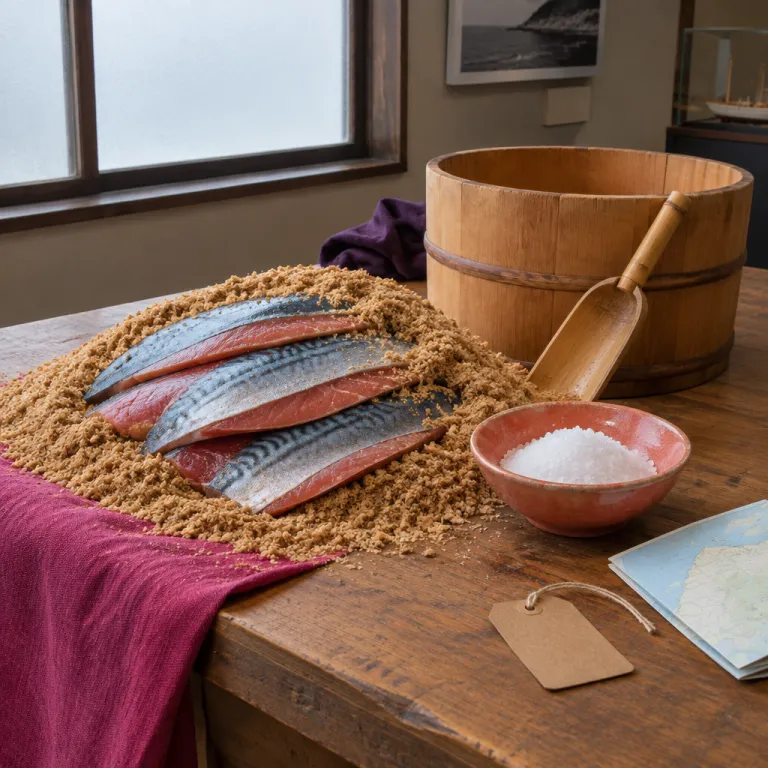
Heshiko is a traditional Japanese preparation of mackerel preserved in rice bran, and its intense taste has shaped coastal cuisine for generations. At Sugihara Heshiko in Obama, which maintains a 19th‑century lineage and curates a compact in‑house display run by the fourth generation of the family, you see how carefully chosen ingredients and patient fermentation can turn a simple meal into a layered experience. When you later sit down in a Tokyo restaurant that highlights regional dishes, you will recognise the same local ingredients and nuanced sauce flavor that began their journey in this quieter port town on the Sea of Japan.
Many Tokyo hotels now curate lists of partner restaurants that celebrate regional Japan, from Hokuriku seafood counters to kaiseki dining rooms. Asking the concierge to help you find a place that serves heshiko from Obama connects your city stay to the story of Sugihara Heshiko and its fourth‑generation workshop, even if you never leave Tokyo. This approach suits couples, solo travelers, and groups who want food good enough to tell a story about the people behind each plate.
From your Tokyo hotel lobby to regional artisans: planning meaningful day trips
Tokyo’s rail links make it realistic to combine an urban hotel base with a focused regional excursion. Guests who care about food and culture often plan a long day trip or overnight journey from Tokyo to visit Sugihara Heshiko in Obama, Fukui and its 19th‑century fourth‑generation premises, then return to the capital for the rest of their stay. This rhythm lets you enjoy the energy of Japanese restaurants in the city while still meeting the local people who preserve traditional cuisine.
Concierges at higher‑end Tokyo properties are used to arranging rail tickets, translating menus, and creating a clean, ordered itinerary that fits your time. When you explain that you want to visit a specific heshiko maker in Obama with a 19th‑century heritage and a fourth‑generation family operation, they can coordinate train schedules on the Hokuriku Shinkansen and local Obama Line, suggest where to eat a simple meal on the way, and even call ahead to confirm opening hours, which typically run from late morning to mid‑afternoon and may vary by season. Some hotels maintain a press file or internal review list of regional artisans, so you may find that previous guests have already spent hours at the same place and left detailed feedback.
If you prefer to stay within the city, you can still connect with regional craft through curated neighborhood walks. Guides who specialise in traditional Japanese jewelry and food often design routes that pair Tokyo hotels with artisan studios, and one useful overview is available in this traveler’s guide to craft districts and artisan studios. Using such resources, you can choose a hotel whose location makes it easy to reach both central restaurants and cultural experiences linked to places like Obama in Fukui.
How a fourth generation heshiko museum shapes your understanding of Japanese cuisine
Walking into the Sugihara Heshiko 19th‑century fourth‑generation museum‑style space in Obama, you immediately sense how deeply food and memory intertwine. Display cases show old wooden barrels, handwritten notes about ingredients, and black‑and‑white photographs of people who turned a coastal meal into a regional symbol. This context changes how you taste food later in Tokyo, because you know the quiet labor behind every preserved fillet.
Guided explanations at the museum often focus on the balance between salt, rice bran, and fish, and how long fermentation shapes the final taste. You learn why local ingredients from the Sea of Japan coast were essential, and how families adjusted the sauce flavor over time to suit changing palates. When you return to your hotel and read a restaurant review mentioning heshiko or Hokuriku cuisine, you can picture the exact place where those flavors were born.
Many visitors say they spent hours at the museum, moving slowly between exhibits and then sharing a simple meal ordered at a nearby food restaurant. That quiet lunch, sometimes taken at a small place run by a husband‑and‑wife restaurant team, often becomes the emotional anchor of the trip. Back in Tokyo, you may seek out restaurants that list Obama or Fukui on their menus, using your new knowledge to find meals that echo the same careful, ranging local traditions.
Choosing a Tokyo hotel that connects you with regional food and artisans
When you book a hotel in Tokyo, location and room size usually come first. If you care about regional cuisine and artisans such as Sugihara Heshiko in Obama, Fukui, with its 19th‑century fourth‑generation workshop and display area, you should also evaluate how each property engages with local food culture. Some hotels partner with chefs who highlight ingredients from specific prefectures, while others simply provide generic meals without any sense of place.
Look for properties whose restaurants clearly state their use of local ingredients from across Japan, including coastal areas like Fukui. Menus that explain the origin of each meal ordered, from rice to fish, show a commitment to traceability and a deeper dining experience. When a hotel’s main restaurant or bar offers a concise list of regional dishes and can describe the taste food profile in detail, you know the team has spent time building relationships with producers.
It is also worth asking whether the concierge can arrange visits or online meetings with artisans, including those at the Sugihara Heshiko museum‑style space in Obama. Some properties host small groups for tasting events where representatives from regional producers explain their craft and answer questions about ingredients and technique. These sessions help you evaluate which Tokyo restaurants to try next, because you can match each place to the stories and people you have already encountered.
Dining in Tokyo with Obama, Fukui in mind: how to read menus and reviews
Tokyo’s dining scene ranges from casual noodle counters to refined kaiseki restaurants, and the choice can feel overwhelming. Travelers who have learned about Sugihara Heshiko in Obama, Fukui and its 19th‑century fourth‑generation workshop often use that knowledge as a filter when choosing where to eat. They look for restaurants that respect local ingredients, treat time as an essential element of flavor, and present each meal as part of a wider Japanese story.
When you read an online review or a printed guide, pay attention to how the writer describes taste and texture rather than only price. Notes about umami‑rich preserved fish, careful seasoning, and a clean, ordered presentation often signal a kitchen that values the same principles you saw in Obama. If a restaurant mentions sourcing from Fukui or the Sea of Japan coast, or lists heshiko among its specialties, that is a strong sign that your meal will echo the traditions of the Sugihara Heshiko workshop and museum‑style display.
Once seated, ask staff about the origin of key ingredients and how long certain preparations take, especially if you are dining in groups and sharing several meals. Their answers will reveal whether the restaurant is simply using regional names as decoration or genuinely committed to the cuisine. Over time, you will build your own internal list of Tokyo places where the food is good, the sauce flavor is balanced, and the overall experience feels connected to real people and real landscapes.
Designing an itinerary that respects time, taste, and local communities
A thoughtful Tokyo itinerary balances major sights with quieter encounters that reveal how people live and work. Including Sugihara Heshiko’s 19th‑century fourth‑generation workshop and museum‑style display in your broader Japan journey encourages you to slow down and pay attention to the details of each meal. You start to notice how long rice has been washed, how carefully fish has been cut, and how each restaurant expresses its own sense of place.
Plan your days so that you are not rushing from one attraction to another, but instead leaving enough time to sit in a small food restaurant and really taste food that reflects local traditions. Perhaps you spend hours in a Tokyo neighborhood known for regional cuisine, then later take a train to Fukui to see where those flavors began. This rhythm allows both solo travelers and groups to connect their hotel stays, restaurant choices, and museum visits into a coherent narrative.
As you move between Tokyo and Obama, keep a simple notebook where you list the meals that meant the most to you and why. Note the ingredients, the sauce flavor, the way the staff spoke about their work, and whether the space felt clean and ordered. Over several days, patterns will emerge that link your favorite Tokyo restaurants with the philosophy of Sugihara Heshiko in Obama, Fukui and its carefully maintained fourth‑generation workshop.
Key figures on Tokyo tourism, regional food, and artisan travel
- According to the Japan National Tourism Organization (JNTO), Tokyo welcomed more than 14 million international visitors in 2019, and a significant share cited food and restaurant experiences as a primary motivation for travel (JNTO, “Visitor Arrivals 2019,” summary figures available on the official JNTO statistics pages).
- Data from the Ministry of Agriculture, Forestry and Fisheries (MAFF) shows that regional Japanese cuisine and local ingredients account for a growing segment of domestic food tourism, with spending on gastronomy‑focused trips increasing by over 20 percent compared with 2010 (MAFF, “Food Tourism Promotion Report 2021,” as outlined in ministry briefing materials).
- Surveys by the Japan Tourism Agency indicate that travelers who visit both major cities and rural areas, such as combining Tokyo with destinations like Obama in Fukui, report higher overall satisfaction scores than those who stay only in one place (Japan Tourism Agency, “Travel Trends Survey 2022,” based on nationwide questionnaire results).
- Industry research on hotel guest behavior in Japan suggests that more than half of international visitors choose their accommodation partly based on proximity to restaurants and food markets, underlining the importance of culinary access when booking in Tokyo (Japan Tourism Agency, “Accommodation and Dining Behavior 2019,” summary tables on the agency’s data portal).
- Regional governments, including Fukui Prefecture, have invested heavily in promoting traditional food producers and small museums, reflecting a nationwide strategy to link local people, heritage cuisine, and sustainable tourism (Fukui Prefecture Tourism Division, “Culinary Heritage Initiatives 2020,” introduced in prefectural tourism reports).
FAQ: Tokyo hotels, regional artisans, and the heshiko maker in Obama, Fukui
Can I visit the heshiko maker company in Obama, Fukui as a day trip from Tokyo ?
A same‑day round trip is technically possible by high‑speed rail and local trains, but many travelers prefer to stay one night near Obama to have more time at the Sugihara Heshiko 19th‑century fourth‑generation workshop and museum‑style display and to enjoy a relaxed meal in the area. Your Tokyo hotel concierge can help you compare schedules and decide which option suits your itinerary. Consider your tolerance for long travel days and how much time you want to spend with local people and restaurants.
How can my Tokyo hotel help me connect with regional food producers ?
Many mid‑range and luxury hotels in Tokyo maintain relationships with regional artisans, including food producers from Fukui and other coastal prefectures. They can arrange tastings, provide restaurant recommendations that highlight ingredients from the Sea of Japan, and sometimes organise small groups for special events. When you check in, mention your interest in the Sugihara Heshiko museum‑style space in Obama so staff understand the type of cuisine and experiences you value.
What should I look for on Tokyo menus if I want flavors linked to Obama, Fukui ?
Search for references to Fukui Prefecture, the Sea of Japan coast, or specific dishes featuring preserved mackerel and other traditional preparations. Restaurants that explain their sourcing and describe the taste and sauce flavor of each dish usually show a deeper respect for local ingredients and time‑intensive methods. If you see heshiko mentioned, ask whether it comes from a producer such as Sugihara Heshiko in Obama, which maintains a 19th‑century lineage and a fourth‑generation family workshop.
Are there Tokyo neighborhoods that are better for regional japanese cuisine ?
Areas such as Ginza, Nihonbashi, and Kagurazaka host many restaurants focused on regional Japanese cuisine, including specialties from Hokuriku and Fukui. Around major stations like Tokyo and Shinagawa, you will also find food halls and casual places where you can taste food from across Japan in one compact area. When booking your hotel, consider how easily you can walk or take a short train ride to these dining districts.
How can I balance famous Tokyo attractions with artisan focused experiences ?
One effective approach is to alternate days devoted to major sights with days centered on food and local communities. For example, you might visit museums and landmarks on one day, then spend the next exploring markets, small restaurants, and perhaps planning a future visit to the Sugihara Heshiko 19th‑century fourth‑generation workshop and museum‑style display in Obama. This balance keeps your schedule manageable while giving each meal and encounter with local people the attention it deserves.